Will Putney’s Ultimate Guide to Modern Metal Production
Nail The Mix Staff
If you’re in the modern metal scene, you know the name Will Putney. He’s the guy behind the console for a ridiculous number of game-changing albums, shaping the sound of metalcore, deathcore, and hardcore for the 21st century. His sonic signature is unmistakable: brutally heavy but clean, raw but polished. He’s the producer you call when you want your record to hit like a freight train but with every note cutting through.
But here’s what might surprise you: he didn’t start out as some studio rat. His journey is a wild mix of science and stage-dives, and that’s his secret weapon.
From the Lab to the Live Room
Will Putney grew up in the thick of the legendary New Jersey hardcore scene of the late ’90s. While bands like The Dillinger Escape Plan were rewriting the rules, he was soaking it all in, getting a ground-level education in aggressive music. But a career in music wasn’t the plan. The guy was smart—like, biomedical engineering degree from a top tech school smart.
That engineering background is the key to understanding his whole approach. It gave him a methodical, problem-solving brain that he applies to everything in the studio. While getting his degree, he took recording classes on the side, planting the seeds for what was to come. After graduating, he landed a gig in a microbiology lab for the company that owns Lysol. He quickly realized the corporate grind of re-engineering products to save a few pennies wasn’t for him. He needed an outlet that used both sides of his brain—the analytical scientist and the creative musician.
Learning from a Legend: The Machine Shop Days
Putney’s big break came when he found out the building where he took recording classes also housed The Machine Shop, the studio of legendary producer Gene “Machine” Freeman. Putney was a huge fan of Machine’s work on records for bands like Pitchshifter—productions that sounded like nothing else at the time. When an internship opened up in 2007, he jumped on it.
The hours were brutal and the learning curve was steep, but this was his trial by fire. Under Machine’s mentorship, he went from intern to assistant to eventually engineering and producing his own records. They later moved the studio to a bigger warehouse in Belleville, New Jersey, where Putney continued to hone his craft. This was his real education, giving him the chops to hang at the highest level.
Building an Empire: Graphic Nature Audio
Around 2013, Machine moved to Texas, and Putney took over the Belleville spot, rebranding it as Graphic Nature Audio. This was him officially planting his flag. With a killer team of engineers, Graphic Nature became the go-to spot for bands wanting a massive, modern sound. The mission was simple: combine “street-level indie smarts” with “big studio sonics.”
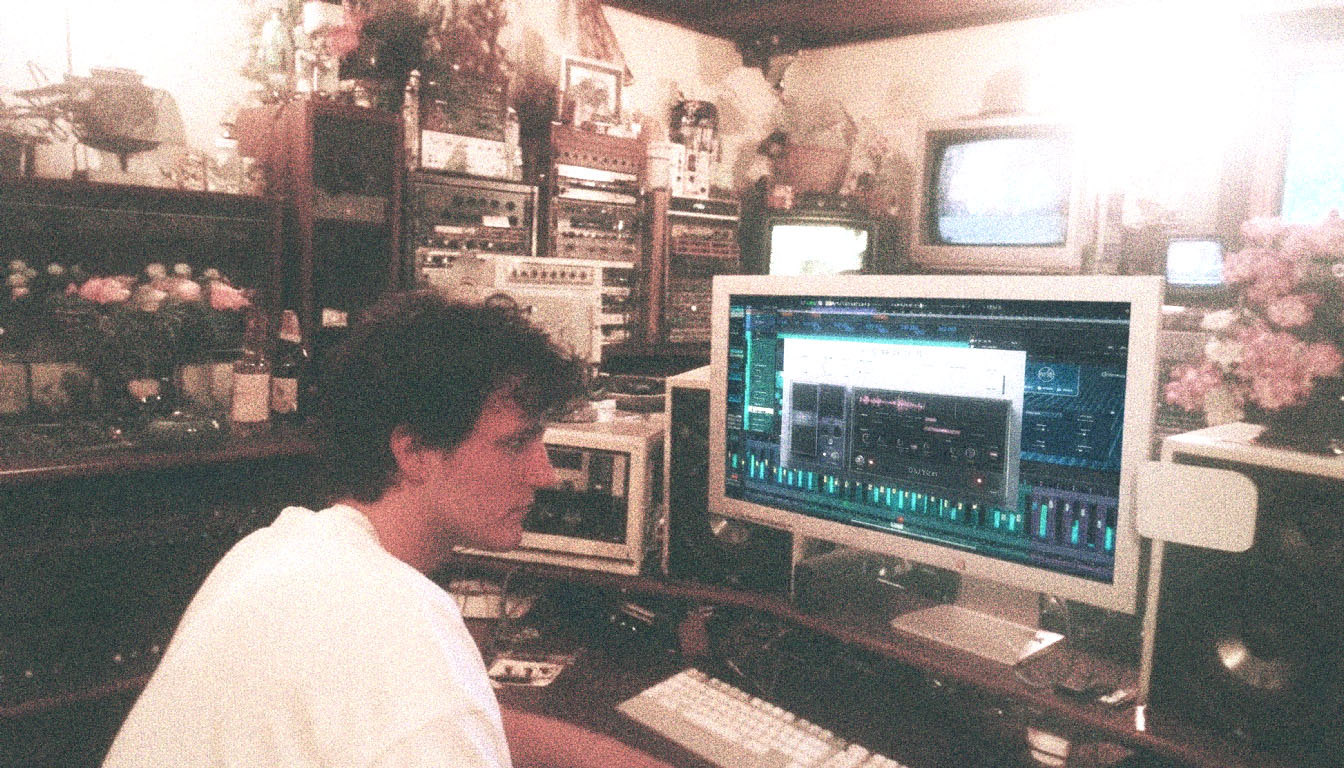
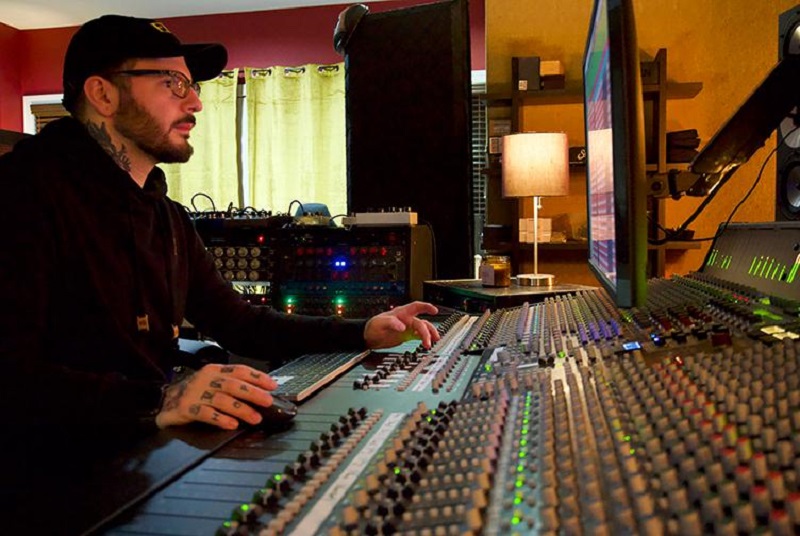
Recently, he leveled up again, moving the studio from the industrial warehouse to a sprawling property in Kinnelon, New Jersey. The new centerpiece? A 32-channel SSL Origin analog console, a beast of a board designed to streamline his hybrid analog/digital workflow. This move shows he’s all in on chasing the best possible sound. His career is proof that you don’t have to choose between being a tech-head and an artist. His scientific mind is what allows him to tame the chaos of heavy music and turn it into something powerful and precise. His methods aren’t magic; they’re a process, and that’s why they’re so damn effective.
On Both Sides of the Glass: The Player
Here’s what really sets Will Putney apart: he’s not just the guy behind the board; he’s in the trenches, writing riffs and playing guitar in some of the scene’s most respected bands. This isn’t just a side hustle; it’s a core part of who he is. Being “on both sides of the studio glass” gives him a massive advantage—he gets what it’s like to be the artist, making him less of a technician and more of a sixth band member.
Fit for an Autopsy: The Main Gig
Fit for an Autopsy (FFAA) is Putney’s baby. He co-founded the band in 2008, and it’s his primary outlet for songwriting. In a move that shows where his priorities lie, he writes and records all the guitars but stopped touring with them years ago to keep up with his insane production schedule.
FFAA’s sound has evolved right alongside Putney’s skills. They started as a straight-up deathcore machine but have grown into something way more dynamic, blending crushing riffs with atmospheric layers and proggy arrangements on killer albums like Oh What the Future Holds and The Nothing That Is. It’s a perfect example of his philosophy: don’t get stuck in one box.
END: A Hardcore Wrecking Crew
In 2017, Putney helped form END, a supergroup that’s basically a hardcore fantasy draft. You’ve got Brendan Murphy from Counterparts on vocals, Gregory Thomas from Shai Hulud on guitar, Jay Pepito from Reign Supreme on bass, and Matt Guglielmo from The Acacia Strain on drums.
Putney has said END is where he gets to explore a style of aggression that doesn’t quite fit with FFAA. The sound is a chaotic blend of metalcore, blackened hardcore, and grind, inspired by ’90s bands and powerviolence. It’s raw, nasty, and proves Putney can write more than just one kind of heavy.
Better Lovers: The New Supergroup on the Block
Putney’s latest project is maybe his most high-profile yet. Better Lovers, formed in 2023, rose from the ashes of the legendary Every Time I Die, featuring three of its former members—Jordan Buckley, Stephen Micciche, and Clayton “Goose” Holyoak—plus the iconic Greg Puciato of The Dillinger Escape Plan.
Putney was the perfect fit for the second guitar spot, having produced the last two ETID albums and already having killer chemistry with the guys. This isn’t a side project; they’re calling it the “next evolution” of their careers. Their debut EP, God Made Me An Animal, is a blast of frenetic, mathy hardcore that puts Putney right in the middle of two of the most innovative bands in modern metalcore history.
Being in these bands creates a feedback loop. In the studio, he’s constantly hearing new sounds and techniques from other bands, which he admits “involuntarily” seeps into his own writing. As a player, he has a deep, personal understanding of the creative struggle, which helps him connect with and push the artists he produces. His bands are his personal R&D lab, where he can cook up new sonic ideas to use on his next big record.
The Putney Sound: How to Capture Chaos
The “Will Putney sound” is the gold standard for modern metal. It’s that perfect blend of raw, live energy and studio polish. It’s not a preset or a formula; it’s a philosophy backed by some seriously clever techniques. Let’s pop the hood and see how he does it.
The Philosophy: Raw but Polished
Putney’s main goal is to capture a band’s true essence and “raw emotional energy.” He’s not trying to make every band sound the same. He’s all about capturing a killer performance, prioritizing vibe and feel over chopping everything up into a sterile, perfect grid. The result is what he calls a “raw but polished” sound- his records are massive and clean, but they always feel like a real band is playing.
How does he pull it off? It all starts with getting things right at the source. He’s huge on pre-production, calling it the most important part of making a record. He pushes bands to show up over-prepared with more songs than they need, so they can stick to a “no filler, all killer” mentality. By nailing the songwriting and arrangements before hitting record, he makes the mixing process about enhancing, not fixing.
The Nitty-Gritty: The Graphic Nature Method
Here’s a look at some of his go-to moves for each instrument:
Drums: The Punchy, Organic Foundation
The drum sound is the bedrock of a Putney mix: tight, punchy, and clear, but still heavy and organic. He uses a hybrid approach, starting with a great live performance and then beefing it up with samples. It’s the best of both worlds: human feel with machine-like consistency.
To get that insane clarity, he’s a master of noise gating. One of his signature tricks is using “key spikes“- clean, separate MIDI notes that trigger the gates on the live tracks. This lets the gates open and close with surgical precision, killing bleed without sounding unnatural. His snare sound is often a Frankenstein’s monster of the live mic’s “crack” layered with different samples for body, depth, and room sound.
More info: Mixing Knocked Loose drums w/ Will Putney
Guitars: Building the Wall of Sound
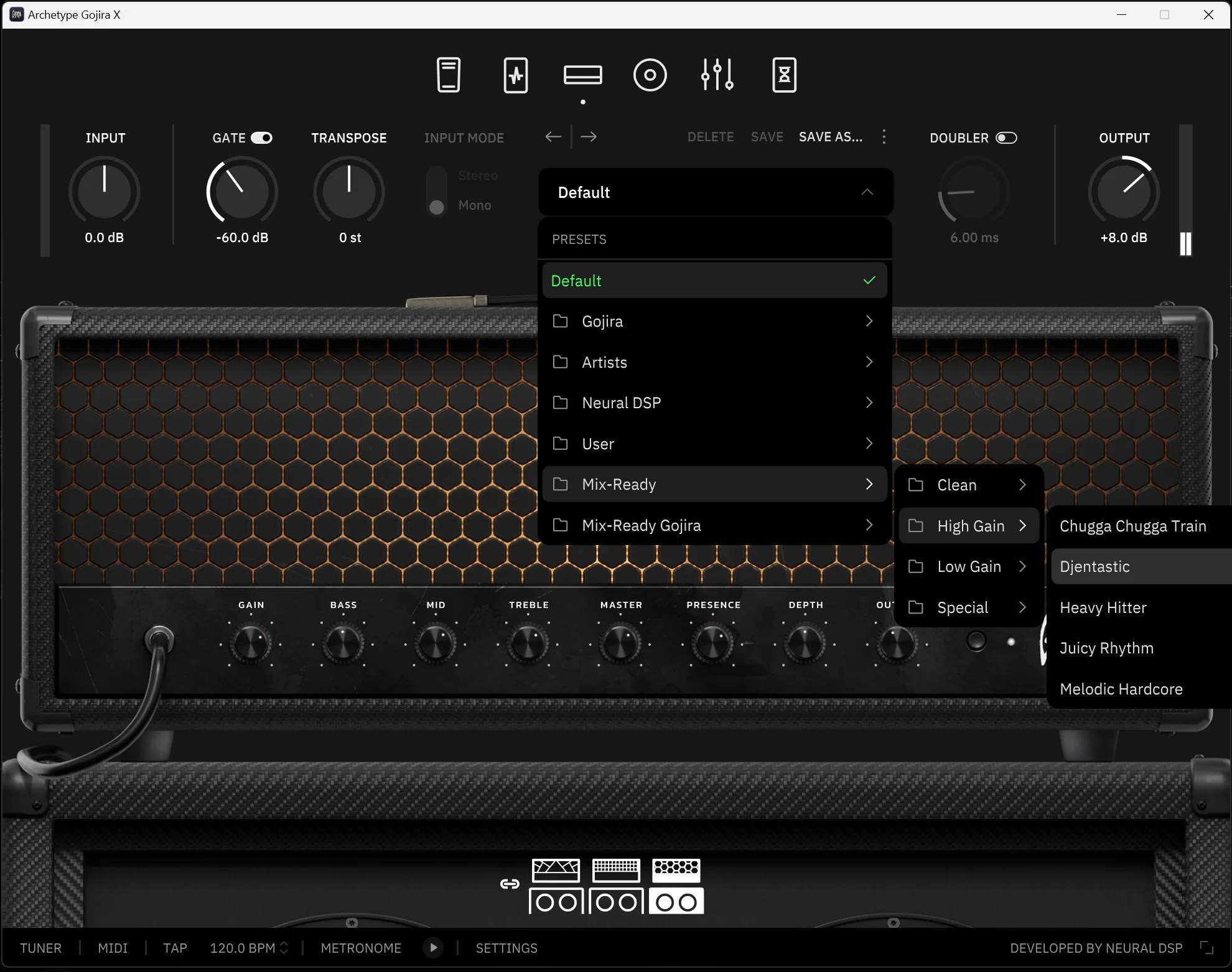
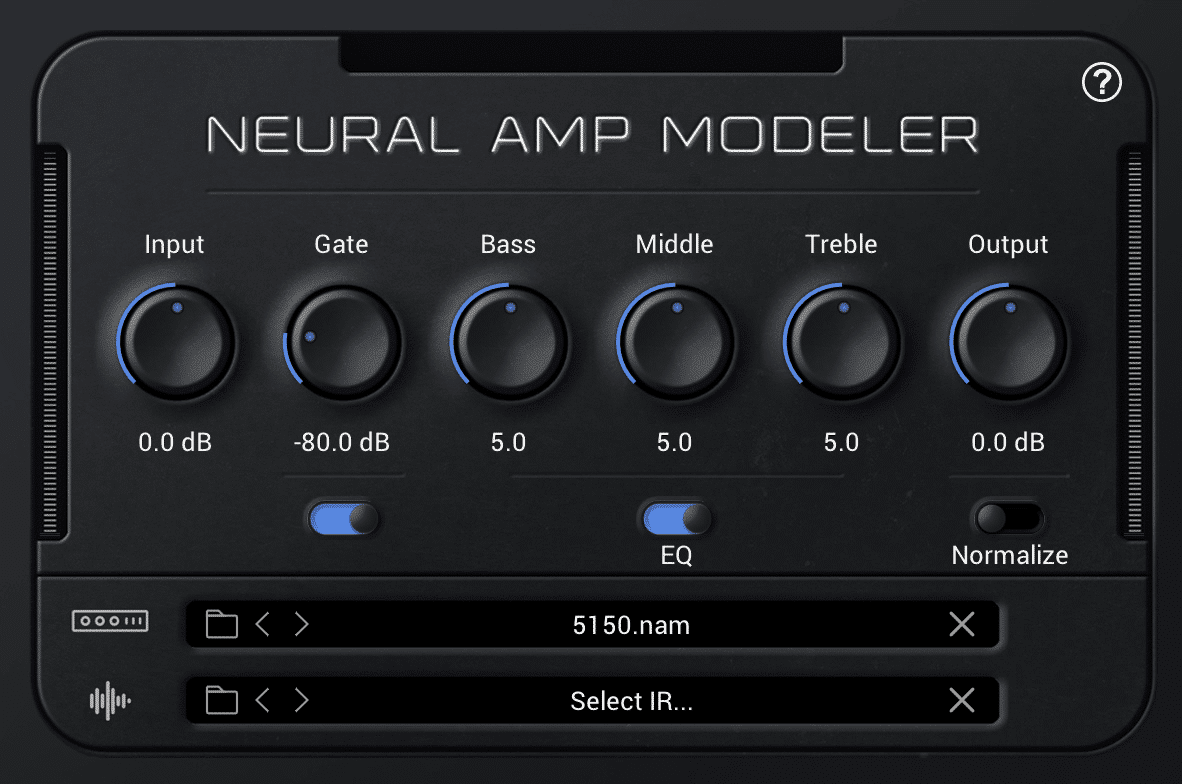
Putney is the king of huge, aggressive guitar tones. One of his core techniques is blending multiple amps and cabs. He’ll combine the mid-range bite of a Peavey 5150 with the low-end saturation of another amp to create a single tone that’s way bigger and more complex than any one amp could be. He’s also obsessed with mic placement, getting the sound perfect before it even hits the computer. But he’s no purist; his rule is “the best sound wins,” and he’ll gladly use an amp sim if it serves the song.
See more: Mixing Knocked Loose guitars with Will Putney
Bass: The Secret Weapon
In Putney’s own words, bass is the “secret weapon in every metal mix.” He sees it as the glue that gives guitars their thickness and locks the whole rhythm section together. He usually blends a clean DI signal with a miked amp and some distortion pedals to create one “master” bass tone. He stresses the importance of getting a super clean DI, because that gives him a solid foundation to re-amp and process heavily later on.
Vocals: The Emotional Core
When it comes to metal vocals, it’s all about capturing an energetic, emotional performance. A key trick he uses is tracking vocals into processing. This means the singer hears their voice with compression and EQ on it in their headphones while they’re recording. He finds this gasses them up and helps them deliver a more confident, powerful take. He’s also a wizard at editing and aligning huge stacks of vocal layers to create a massive, cohesive sound.
Graphic Nature Audio: The Lab
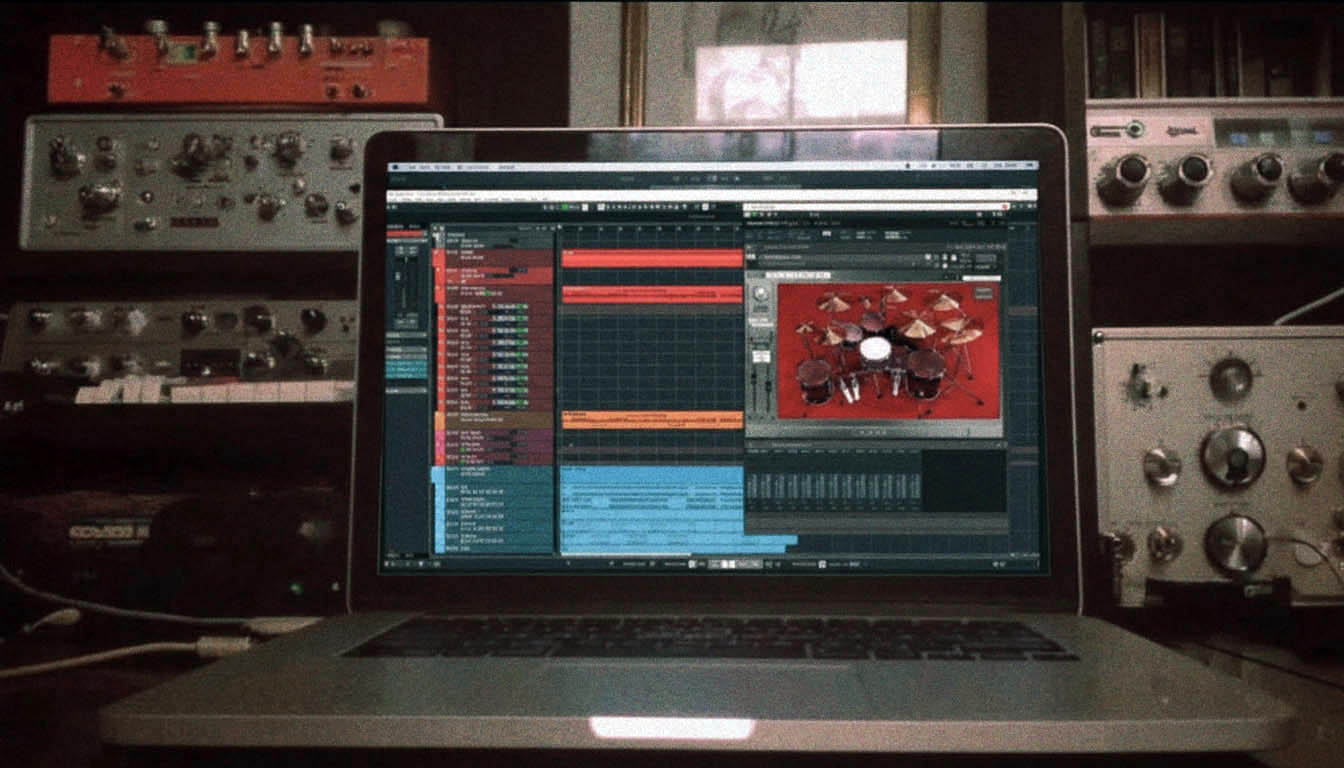
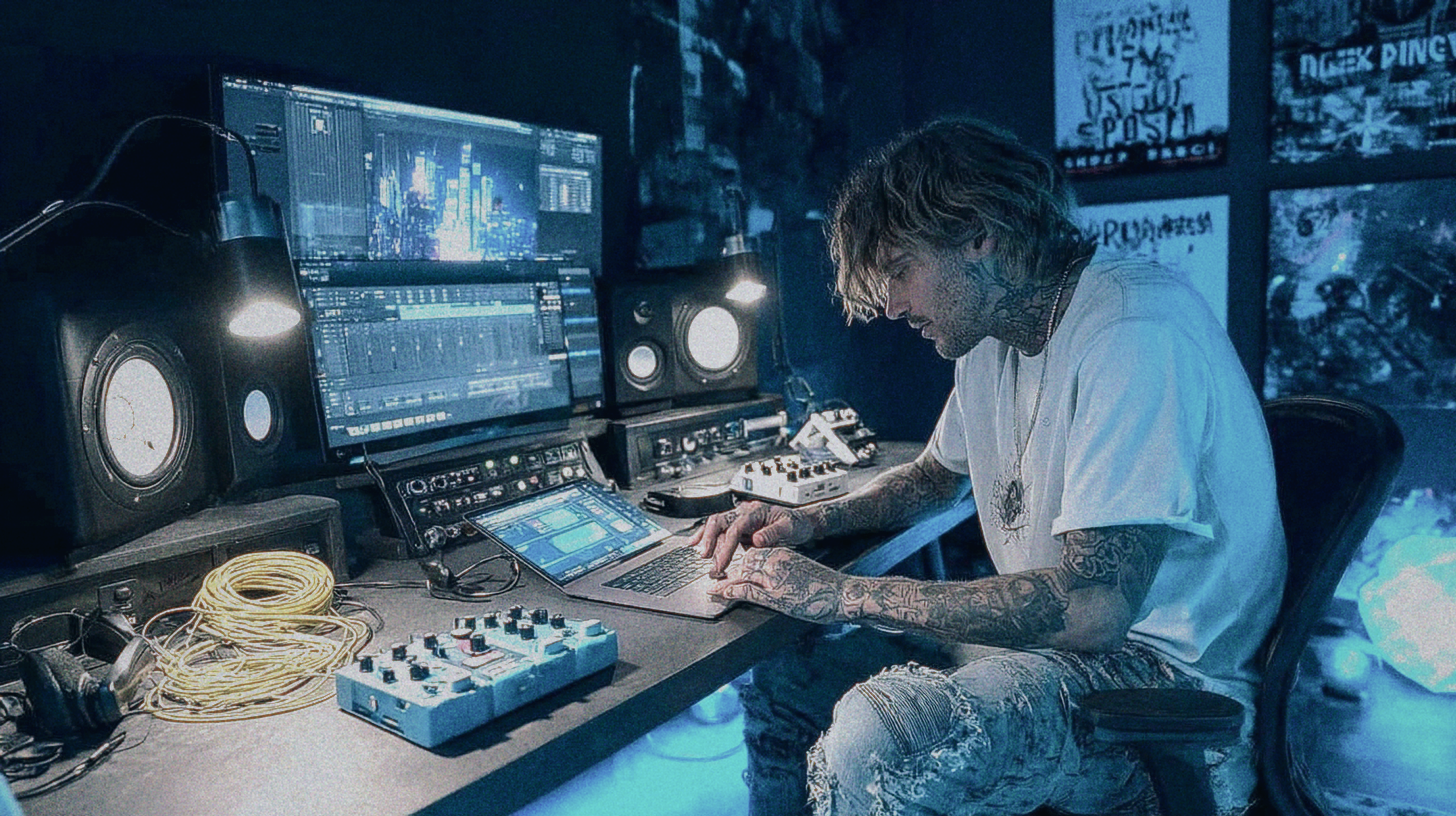
Putney’s studio is the physical manifestation of his philosophy. It’s a “massive hybrid mix setup” that combines the flexibility of working in-the-box (he uses Logic and Pro Tools) with the character of a ton of outboard analog gear. The new SSL Origin console in his Kinnelon studio is the ultimate upgrade for this workflow, giving him that classic SSL headroom and width with a more intuitive, musical feel.
Putney’s style is a huge step forward for modern metal. In a world of over-compressed, sterile productions, he brought back a focus on great source tones and killer performances, all while embracing modern tools like samples and plugins. He proved that you can have aggression and precision without sacrificing depth and organic feel.
The Arsenal: Tools of the Trade
Every producer has their go-to gear, and Will Putney has not only mastered his tools but has also partnered with top companies to create his own signature products. These tools are basically his entire workflow, bottled up and ready for you to use.
The Digital Toolkit: Get the Putney Sound in a Plugin
Putney knows that tons of producers are working in the box, so he teamed up with STL Tones to put his studio at your fingertips.
- STL Tonality – Will Putney Guitar Plug-in Suite: This is the main event. It’s a full guitar and bass amp suite built from his personal gear collection. It’s got models of all his go-to amps, but the killer feature is the dual amp and cab mixer. This lets you do his signature trick of blending different amps and cabs to create one massive tone, all inside a single plugin. The 2.0 update added an even better cabinet section, full MIDI control, and a model of his favorite fuzz pedal.
- Other Digital Goodies:
- STL Tones Kemper Producer Bundle: If you’re a Kemper user, this pack gives you 103 profiles of his “mix-ready” tones and the raw sounds of 14 of his amps.
- STL Tones ToneHub Expansion Pack: A massive library of over 350 presets for the ToneHub platform, built from 20 of his favorite amps and 10 of his go-to cabs.
- Toontrack Modern Metal EZX: He partnered with Toontrack to create this drum sample library, capturing the sound of his old Belleville studio’s legendary drum room.
Here’s a quick look at what’s inside the STL Tonality Suite:
| Component | Details |
| Modeled Amplifiers | Amp 1 (Peavey© 5150™), Amp 2 (Bogner© Uberschall™), Amp 3 (Mesa Boogie© Triple Crown™), Amp 4 (Diezel© VH4™), Amp 5 (Ampeg© SVT4™), Amp 6 (Custom Amplifier) |
| Modeled Pedals | Overdrive, Delay, Reverb, and Fuzz (based on his personal pedals) |
| Key Features | Upgraded 3D Cabinet Section with dual IR loading, Dual Amp & Cab Mixer with Putney’s presets, Full MIDI control, Standalone version for DAW-less use |
| System Info | 64-bit VST/AU/AAX, Native Apple Silicon support, 3 activations per user, No iLok required |
Signature Gear and Endorsements
Putney’s sound is also tied to some killer physical gear, including a wild signature guitar.
- Dunable Cyclops Signature Guitar: Putney’s main axe is a custom Dunable Cyclops, which became the blueprint for his signature model. It’s a stripped-down workhorse with a single EMG 81 bridge pickup and a volume knob. But here’s the insane part: it has a fully integrated Electro-Harmonix Pitch Fork pedal built right into the guitar. With controls for the pitch interval and a big push-button, he can trigger whammy-style effects with his picking hand without ever touching a pedalboard.
- Amps and Cabs: He’s a longtime user of the Peavey 5150/6505, which he calls “the sound of metal.” His collection is deep, though, with heads from Bogner, Diezel, and Mesa Boogie—many of which are modeled in his plugins. For live shows, he often uses custom Atlas 6×12 cabs for a truly ridiculous wall of sound. He also works with companies like Revv Amplification and has a massive collection of boutique pedals.
The Masterclass: Learn from the Man Himself
After years of perfecting his craft, Will Putney has moved into what might be his most important role yet: teacher. Through his partnerships with Nail The Mix and URM Academy, he’s laid out his entire production playbook for the world to see, giving a new generation of producers a chance to learn from one of the best in the game.
Deconstructing the Mix: Nail The Mix – Knocked Loose
Putney’s Nail The Mix session is like getting to look over his shoulder while he works. He mixes the song “Mistakes Like Fractures” by Knocked Loose from their album A Different Shade of Blue, and the URM team has called it “one of the best episodes we’ve ever done.”
He breaks down his core techniques in a real-world context, showing you how he uses his “key spike” gating trick for punchy drums, how he layers samples to build a massive snare, and how he gets a solid balance before slapping on a bunch of processing. The best part? Nail The Mix members get the actual multi-track session files. You can load them up in your own DAW and try to replicate his moves or do your own mix. It’s an incredible hands-on learning experience.
Knocked Loose on Nail The Mix
Will Putney mixes "Mistakes Like Fractures" Get the SessionCheck out Knocked Loose on Nail The Mix
“How It’s Done”: The Full Putney Playbook
If the NTM session is a deep dive on mixing, the URM Academy course “How It’s Done” is the whole damn encyclopedia. It’s billed as the “most in-depth, comprehensive metal recording course ever made,” and for good reason. In it, Will produces two full songs from scratch—one with deathcore giants Thy Art Is Murder and one with his own band, Fit For an Autopsy.
The course is broken down into six modules covering his entire process:
- Part 1: Pre-Production: He shows you how to work with a band to turn a riff into a killer song, proving his point that pre-pro is “half the battle.”
- Part 2: Guitars: An “insanely detailed” look at his whole guitar recording process, from dialing in tones and blending amps to his meticulous mic techniques.
- Part 3: Bass: He pulls back the curtain on his “secret weapon,” showing you how he gets a massive, clear low-end.
- Part 4: Drums: A complete guide to his drum production, from tuning and micing to the editing workflow his team uses to get tight, organic results.
- Part 5: Vocals: Learn how he sets the stage for an emotionally charged vocal take, including his trick of tracking with processing to inspire the singer.
- Part 6: Mixing: He puts it all together, showing you how he uses his hybrid setup to craft a finished mix, with a deep dive into automation.
The amount of content in “How It’s Done” is insane. You get over 18 hours of video, a workbook, the full multi-tracks and DAW sessions for both songs, his exact STL Tonality presets, and his Knocked Loose NTM session as a bonus. By opening up his entire process, Putney has transformed his knowledge from a trade secret into a toolkit for the next generation, ensuring that the sound of modern metal will continue to evolve.
Check out “How It’s Done w/ Will Putney” (including over an hour of free content)
The Putney Legacy: The Architect of Modern Metal
Will Putney is more than just a successful producer and musician; he’s one of the key architects of the modern heavy music sound. His influence is all over the last 15 years of metal and hardcore, and his legacy is built not just on the records he’s made, but on the knowledge he’s shared.
Influence and Impact: The “Dr. Dre of Metal”
Putney’s discography is a who’s who of modern heavy music. He’s worked with Every Time I Die, Knocked Loose, Body Count, Thy Art Is Murder, Gojira, The Amity Affliction, Northlane, The Acacia Strain, Norma Jean, Vein.fm… the list is endless. His ability to deliver records that are powerful, polished, and authentic has made him one of the most in-demand producers on the planet.
In 2021, he even snagged a Grammy for producing Body Count’s “Bum-Rush.” It was Body Count’s legendary frontman, Ice-T, who gave Putney the perfect nickname: “the Dr. Dre of metal.” And it fits. Like Dre in hip-hop, Putney is a musician-producer who has defined the sound of his genre, known for his sharp ear and his ability to elevate every artist he works with.
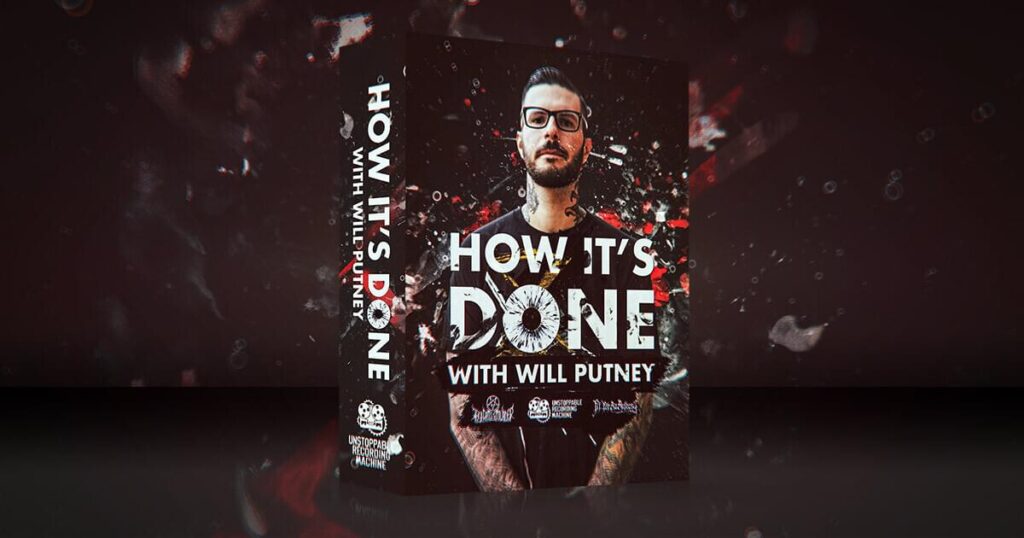
Get his course, “How It’s Done”
More Than a Producer: A Pillar of the Community
Beyond the studio, Putney is a respected voice in the scene. He’s spoken out against genre elitism, encouraging bands to support each other and take creative risks. His collaborative approach in the studio is a reflection of that- he works with bands to help them find the best version of themselves.
Ultimately, Will Putney’s legacy is twofold. He’s undeniably one of the producers who defined the sound of 21st-century metal. But his most lasting impact might be his work as an educator. Through his plugins, sample packs, and especially his course “How It’s Done w/ Will Putney,” he’s pulled back the curtain on modern metal production. He didn’t just perfect a sound; he gave everyone the tools and the roadmap to do it themselves. This commitment to sharing his knowledge ensures that the high bar he’s set will continue to push the scene forward for years to come.