Making Addictive Drums Sound Real for Modern Metal
Nail The Mix Staff
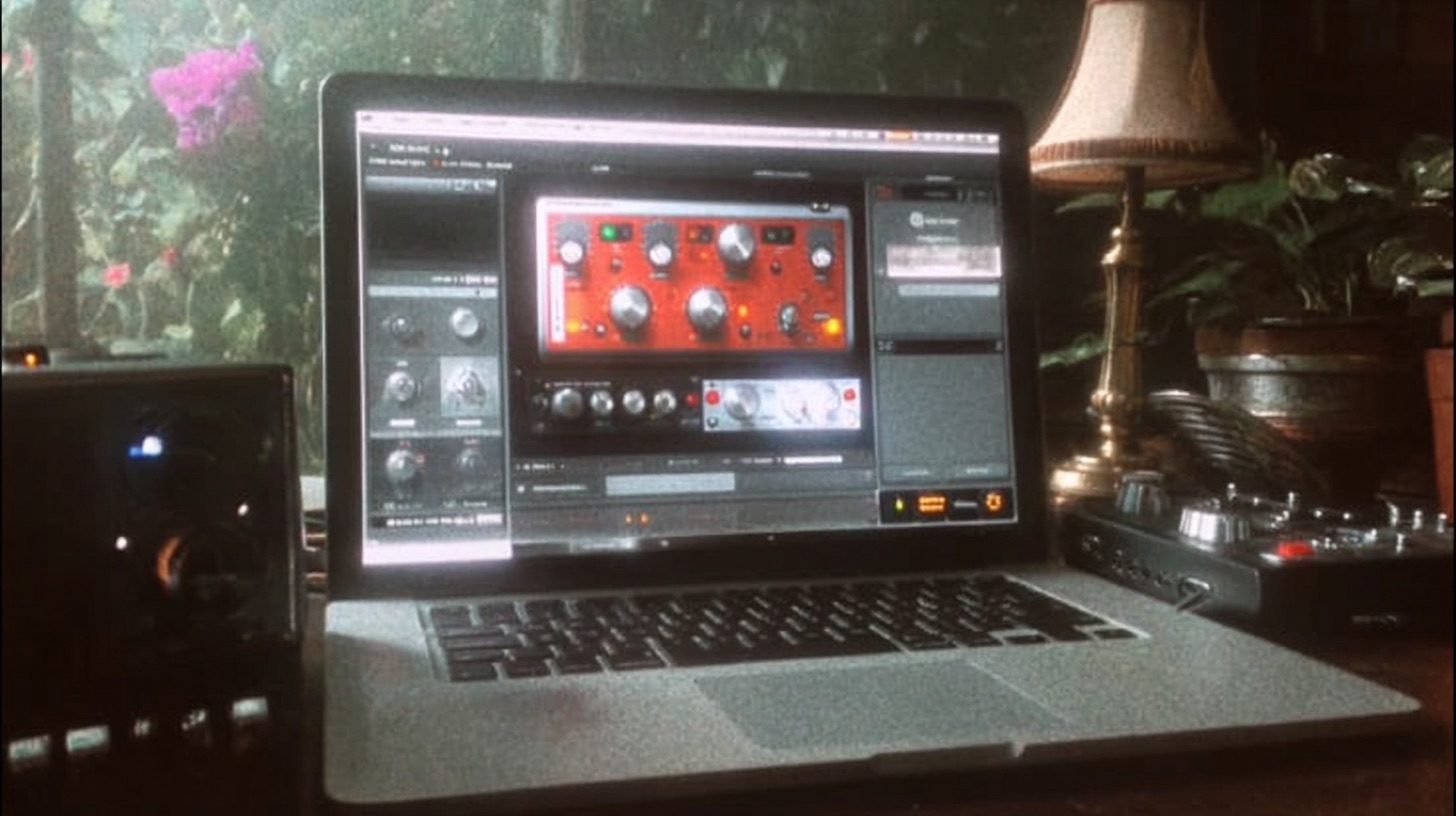
XLN Audio’s Addictive Drums 2 is an absolute powerhouse. It’s one of the most popular drum VSTs on the planet for a good reason: it’s flexible, sounds great right out of the box, and has a massive library of kits perfect for just about any genre. But for modern metal, just loading up a preset and programming a beat on the grid often leads to that all-too-familiar complaint: it sounds fake. It feels programmed. It’s the sound of plastic drums in space.
The truth is, samples aren’t the problem. The problem is how they’re used. Even the most organic, massive-sounding metal albums you love are likely drenched in samples and editing. The difference is that they’re used as tools to enhance a performance, not as a crutch that exposes the limitations of a machine.
Let’s dive into how you can take a killer VST like Addictive Drums and make it sound like a living, breathing metal monster behind the kit.
Why Your Programmed Drums Sound Fake
The core issue comes down to one word: perfection. Human drummers are beautifully imperfect, and it’s those tiny variations that make a performance feel real and engaging to our brains. When something is too repetitive—the same sample, at the same volume, hitting at the exact same time over and an over—our brains check out. Here’s how to fight that robotic feel.
The Problem with Grid Lock and Locked Velocity
The “machine gun” effect is the mortal enemy of realistic programmed drums. It happens when every single hit is identical. No human drummer in history has ever hit a snare the exact same way twice in a row. The velocity, timing, and stick placement are always shifting slightly.
- Grid Lock: Quantizing everything 100% to the grid is a surefire way to sound robotic. You want precision, but not absolute mathematical perfection.
- Locked Velocity: Setting every MIDI note to the max velocity of 127 is just as bad. Not only does this make every hit the same volume, but in a multi-layered instrument like Addictive Drums, it means you’re only triggering one of the many samples recorded for that drum. You’re missing all the nuance of the softer hits.
The solution isn’t to be sloppy. It’s to be intentionally human.
Actionable Techniques for Realistic Metal Drums
Getting a convincing drum performance from Addictive Drums (or any drum sampler, really) is about manipulating MIDI data and processing the audio to mimic the real world.
Humanizing Your MIDI: Performance Over Perfection
This is where you’ll spend most of your time, and it makes the biggest difference. Your goal is to create a performance that feels tight and powerful but still has the subtle push and pull of a real drummer.
Start with Quantize, Then Nudge
Don’t be afraid to quantize, but don’t stop there. A great workflow used by top-tier mixers like Dave Otero (Cattle Decapitation, Archspire) is to quantize to around 90-95% tightness. This snaps the hits close to the grid but preserves some of the original timing variation.
From there, listen critically.
- Does a snare hit feel slightly late and drag the energy down? Nudge it a few milliseconds earlier.
- Does a hi-hat feel a bit sterile? Zoom in on the MIDI and listen for any hits that sound a little off, then manually move them until the groove feels right. This micro-editing is what separates a good performance from a great one.
Velocity is Your Best Friend
This cannot be stressed enough: vary your velocities.
- Blast Beats: A real drummer can’t physically hit the snare at full power during a 250 BPM blast beat. The hits will naturally be lighter than a big backbeat in a breakdown. Program your blast beat MIDI accordingly. Try alternating velocities between, say, 110 and 120, instead of slamming them all at 127. This instantly makes them sound more believable and less like a typewriter.
- Fills: For a fast tom fill, the first hit might be strong (velocity 125), but the following hits will be slightly softer (115, 120, 110, etc.) as the drummer’s momentum carries them across the kit.
- Ghost Notes: Sprinkle in some low-velocity snare hits (around 30-50) between the main backbeats. These “ghost notes” add a massive amount of groove and are a hallmark of skilled drummers. Addictive Drums has excellent samples for these quiet hits that you are completely missing if you only program at full velocity.
Blending and Reinforcing with Live Drums
Often, the most powerful drum sounds come from blending samples with a real acoustic recording. If you have a live drum recording where the kick is a bit weak or the snare gets lost in the blast beats, Addictive Drums is the perfect tool for reinforcement.
You don’t have to replace the whole performance. Use a drum trigger plugin like Slate Trigger 2 or your DAW’s built-in audio-to-MIDI function.
- Isolate your live snare track.
- Use the trigger plugin to create a MIDI track that perfectly follows the live snare hits.
- Load Addictive Drums on that new MIDI track and find a snare that complements your live sound. A sample like the Ludwig Black Beauty can add a perfect crack and body.
- Blend the AD2 snare underneath the live snare. You can even automate the volume of the sample so it’s louder during fast sections (like blasts) and quieter during slower, more dynamic parts. Now you have the best of both worlds: the human feel of the live performance with the consistency and punch of a perfect sample.
Processing Your Kit Like a Real Kit
Don’t just use the stereo output from Addictive Drums. Treat it like you’re mixing a real, multi-miked drum kit. In your DAW, route each element of the AD2 kit (kick, snare top, snare bottom, toms, cymbals) to its own audio track.
Now you can process them individually:
- Kick: Use an EQ to carve out some boxiness around 300-500Hz and add some click around 4-8kHz to help it cut through the mix.
- Snare: Add some crack with a transient shaper like NI Transient Master. Use parallel compression to add body and aggression without killing the dynamics. This is one of many powerful techniques covered in our deep dive on metal compression secrets.
- Cymbals: A high-pass filter is crucial to remove low-end rumble and keep them from washing out the mix.
- Drum Bus: Send all your individual drum tracks to a master “Drum Bus” and use a compressor like an SSL G-Comp emulation or a FET-style compressor to glue everything together and give the whole kit a cohesive, powerful sound.
Once your drums are punching, you’ll need to make sure they sit well with the guitars. This often involves careful EQ work on the guitars to create space for the snare and kick, a process detailed in our guide to EQing modern metal guitars.
Bringing It All Together
Using Addictive Drums for modern metal isn’t about finding the perfect preset. It’s about thinking like a drummer and a mix engineer. By focusing on creating a human-sounding performance through MIDI editing and then processing those sounds like a real acoustic kit, you can achieve world-class drum sounds right from your laptop.
These techniques are a fantastic starting point. But imagine watching the actual producers behind your favorite albums apply these concepts in real-time. At Nail The Mix, you get the raw multi-tracks from bands like Gojira, Lamb of God, and Periphery and watch legendary instructors build a mix from the ground up, explaining every decision they make with samples, editing, and processing.
If you’re ready to see how the pros get those face-melting drum tones, check out our full catalog of sessions and take your mixes to the next level.