MixWave Thomas Pridgen Drums: Making Samples Sound Human
Nail The Mix Staff
We’ve all heard it. The nonstop complaints about modern metal drums. They sound fake, they feel like a drum machine, they’re just plastic-sounding hits in a digital void. And nowhere is this more obvious than in a poorly programmed blast beat. It’s stiff, lifeless, and honestly, a chore to listen to.
But then you hear a modern metal record where the drums are absolutely crushing. They’re powerful, they feel real, and you can practically picture the drummer smashing the kit in the room. Guess what? There’s a very high chance that mix is loaded with samples, often using drum sample replacement techniques.
So if both the killer-sounding drums and the terrible-sounding drums are using samples, what’s the real issue? It’s not the tools; it’s how they’re used. Your DAW and your sample libraries aren’t going to program themselves. It’s up to you to make them sound like a powerhouse drummer, not a robot having a seizure.
Let's dive into how you can take an incredible library like the MixWave Thomas Pridgen drums and make it breathe, groove, and sound devastatingly human.
What's the MixWave Thomas Pridgen Drum Library?
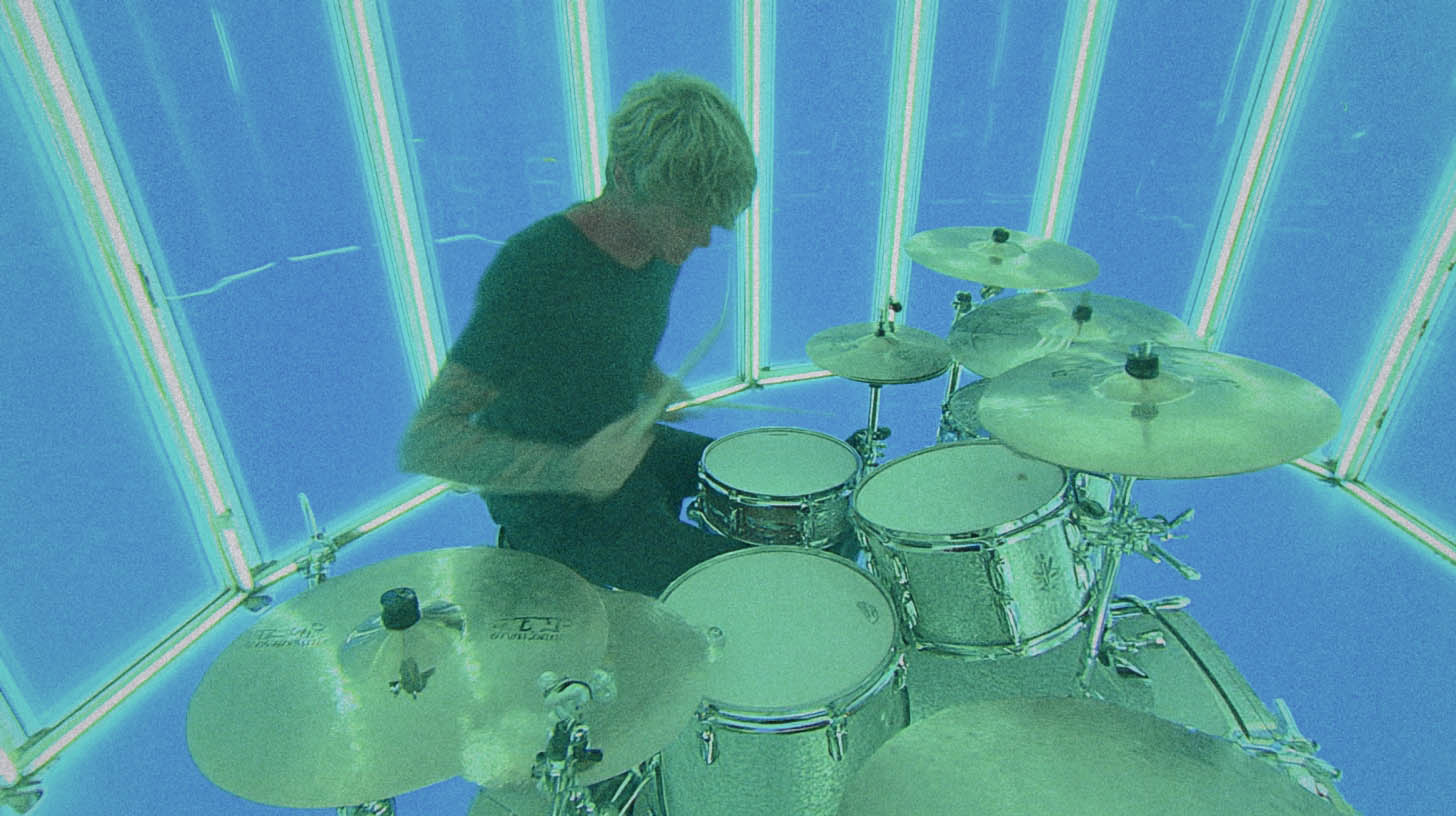
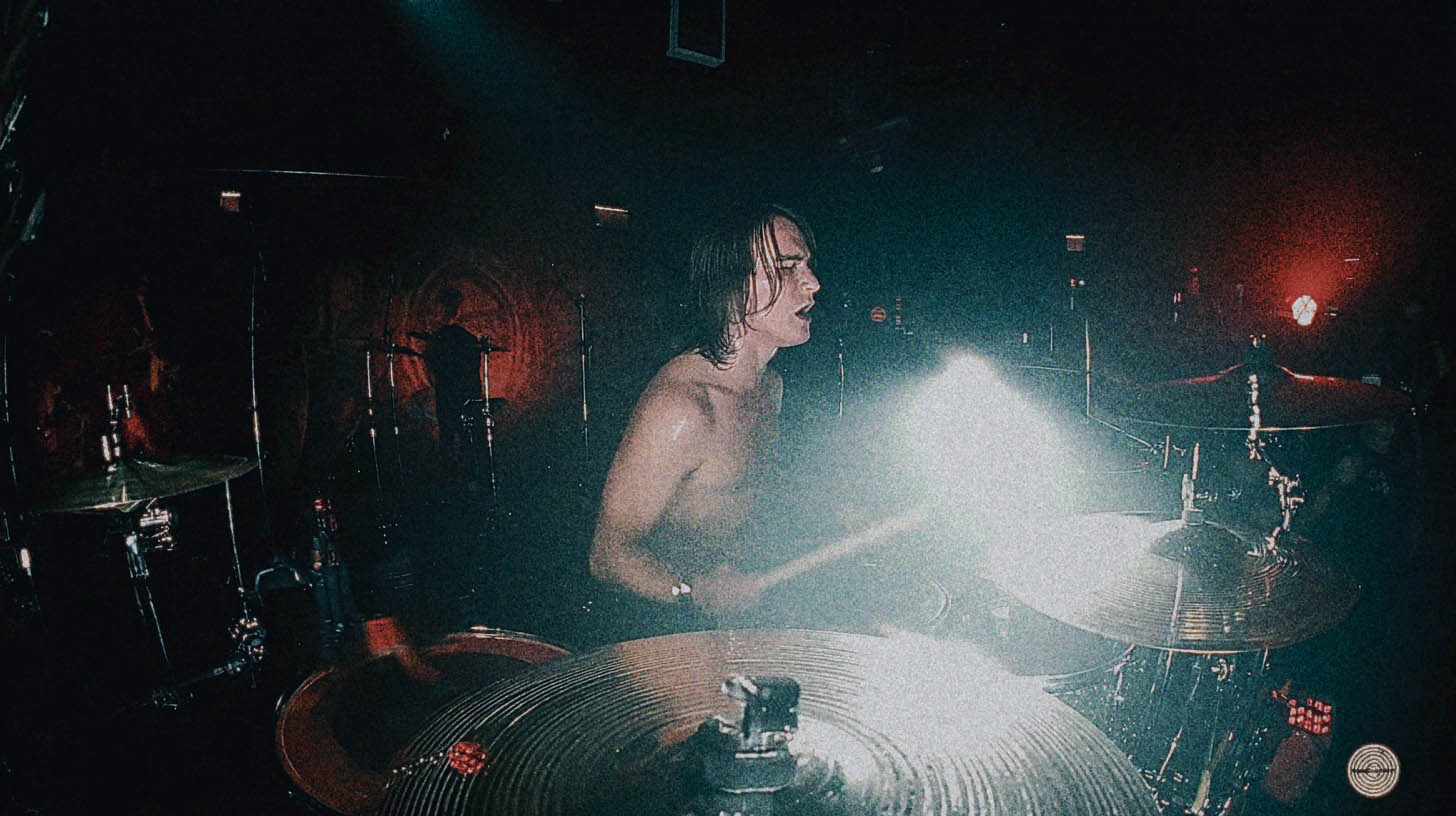
First off, this isn’t just any drum library. Thomas Pridgen is a monster behind the kit, known for his ridiculously creative and powerful playing with bands like The Mars Volta and Suicidal Tendencies. His feel is legendary, and MixWave captured it in insane detail.
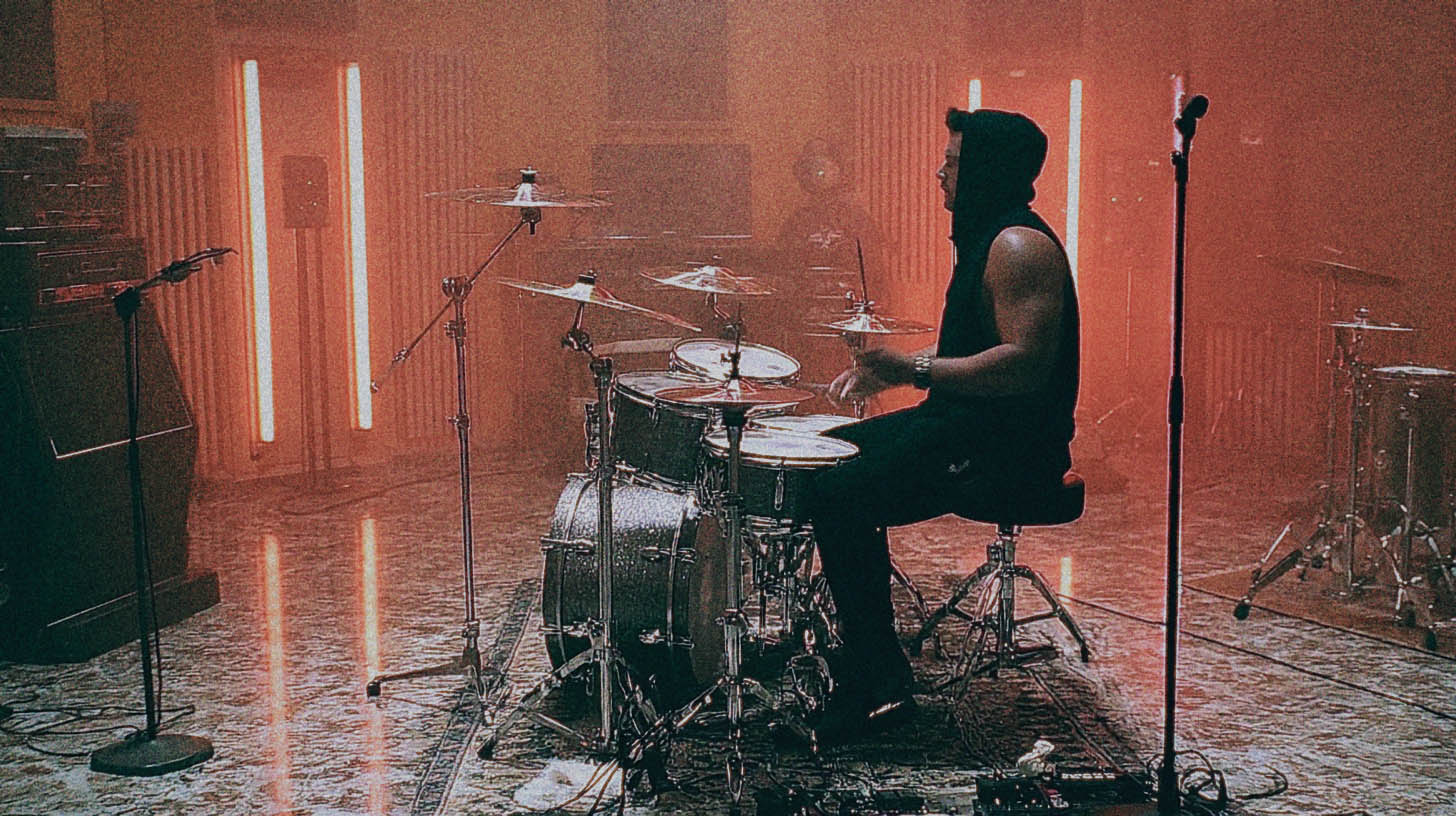
Inside, you get a fully-kitted-out DW Collector's Series kit and a treasure trove of Zildjian cymbals, all sampled with multiple velocity layers and round-robins. This is key: "multi-layered" means you're not just hearing the same snare hit getting quieter or louder. You’re hearing entirely different samples recorded at different hitting strengths, from a soft tap to a full-on rimshot.
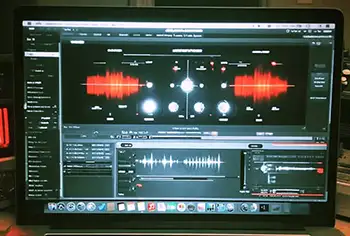
The library also comes with MixWave’s slick interface, letting you blend mics, process individual channels, and even use pre-mixed presets that sound great out of the box. But even with all this firepower, you can still end up with robotic drums if you ignore the performance aspect. The magic is in the MIDI.
The Real Reason Programmed Drums Sound Fake
What makes samples sound bad is when they're too perfect. Human drummers, even the best ones, are beautifully imperfect. That’s what makes them interesting to listen to.
The Problem with Perfection
No human drummer will ever hit a drum:
- At the exact same time, every time.
- With the exact same velocity.
- In the exact same spot on the drum head.
There’s always variation. Our brains are wired to pick up on this nuance. When we hear something that’s perfectly on the grid with zero dynamic change—like a snare sample at max velocity hitting over and over—our brains check out. It might sound impressive for a second, but it quickly becomes fatiguing.
Getting a Human Feel: Velocity, Timing, and Articulation
So, how do we introduce that essential human element into our programming using a library like the Thomas Pridgen one? It comes down to three things.
Step 1: Humanize Your Velocities
Velocity is the MIDI data that tells the sampler how hard a note should be played. In most DAWs, this value ranges from 1 to 127. The biggest mistake producers make is programming everything at or near 127.
Think about a real drummer. When they launch into a fast blast beat, they physically can't hit the snare as hard as they do on a slow, pounding backbeat on 2 and 4. The speed requires lighter, faster strokes.
Actionable Tip:
Instead of maxing out your velocities on fast fills or blasts, pull them down. Try programming your main groove snares around a velocity of 115-125, and your blast beat snares between 90-110. This simple change alone will make your drums sound instantly more believable, as the library will trigger more appropriate, softer samples with natural dynamics. Use the Pridgen library’s multiple velocity layers to your advantage!
Step 2: Get Off The Grid (But Not Too Far)
Quantizing everything 100% to the grid is the fastest way to kill the feel. You get perfect timing, but zero groove. The goal is to find the sweet spot between tight and robotic.
Actionable Tip:
Instead of snapping every hit perfectly to the grid line, try quantizing at 85-95%. This tightens up the performance significantly but leaves just enough of the natural human push and pull to give it life. For a crazy-fast section like a bomb blast, you might push it to 90% to get that feeling of machine-gun precision, but even that 10% of variation makes a world of difference.
This is where having a good ear comes in, and learning from the best is a huge shortcut. The instructors at Nail The Mix have spent decades honing their sense of what feels right, and it’s a skill you can develop by watching them work.
Step 3: Use Ghost Notes and Articulations
A huge part of a drummer's feel comes from the stuff in between the main hits. Those quiet, subtle ghost notes on the snare, the way the hi-hat opens and closes, the different cymbal chokes and bell hits—that’s the glue.
The Thomas Pridgen library is packed with these articulations. Don’t ignore them.
Actionable Tip:
Program in some snare ghost notes between your backbeats at very low velocities (think 20-40). Instead of using just one hi-hat sample, switch between the closed, slightly open, and pedal articulations. Vary the velocities of your hi-hats to create a breathing, dynamic pattern instead of a static one. These small details add up to a performance that feels alive.
Processing Your Programmed Drums
Once you have a great MIDI performance, you still have to mix it. The same principles that apply to live drums apply here. You’ll want to shape your kick and snare, control your dynamics, and make everything punch through the mix with tricks like parallel bus automation.
-
EQ: Carve out space for each drum. A common move is to cut some boxy mids out of the kick (around 300-500Hz) to let the snare body shine—a process that sometimes involves surgical moves to remove unwanted ring. You might also boost the sub-bass and the high-end beater click. For a full breakdown on the low-end, check out Joey Sturgis’s method for EQing metal kick drums.
-
Compression: This is essential for adding punch and controlling dynamics. Parallel compression is a secret weapon for drums—blending a heavily compressed signal back in with the dry drums can add massive weight and impact without squashing the life out of your transients.
Bringing It All Together
Using a world-class tool like the MixWave Thomas Pridgen Drum Library gives you the absolute best raw material. But it's your programming—your attention to velocity, timing, and articulation—that transforms those pristine samples into a living, breathing drum performance.
Getting the MIDI right is a massive part of the battle, but watching a seasoned pro mix those drums into a finished track is a whole different level of education. That's exactly what Nail The Mix is for.
Every month, we give you the actual multi-tracks from a real metal song and let you watch the original producer mix it from scratch in a live session. You get to see exactly how they treat programmed drums, how they blend them with live tracks, and what plugins and settings they use to make them hit like a freight train. Check out some of the best Nail The Mix sessions and see how the pros turn great samples into legendary drum tones.