Toontrack Metal Mania EZX: Making Programmed Drums Rip
Nail The Mix Staff
We’ve all heard it. The machine-gun blast beats, the sterile snare hits, the cymbals that sound like they were recorded in a vacuum. Modern metal is rife with programmed drums that feel robotic and lifeless—what Eyal Levi calls “plastic drums in space.” It’s a common complaint, and a valid one.
But here’s the thing: many of the most massive, punchy, and seemingly "live" sounding metal albums are packed with samples and editing. The problem isn’t the tools; it’s how you use them.
This is where a library like Toontrack Metal Mania EZX comes in. It’s a powerhouse for modern metal drum production, but just loading a preset won’t get you a killer sound. To make it truly rip, you need to understand what’s under the hood and how to program and mix it like a pro. Let’s break it down.
What’s Inside Toontrack Metal Mania EZX?
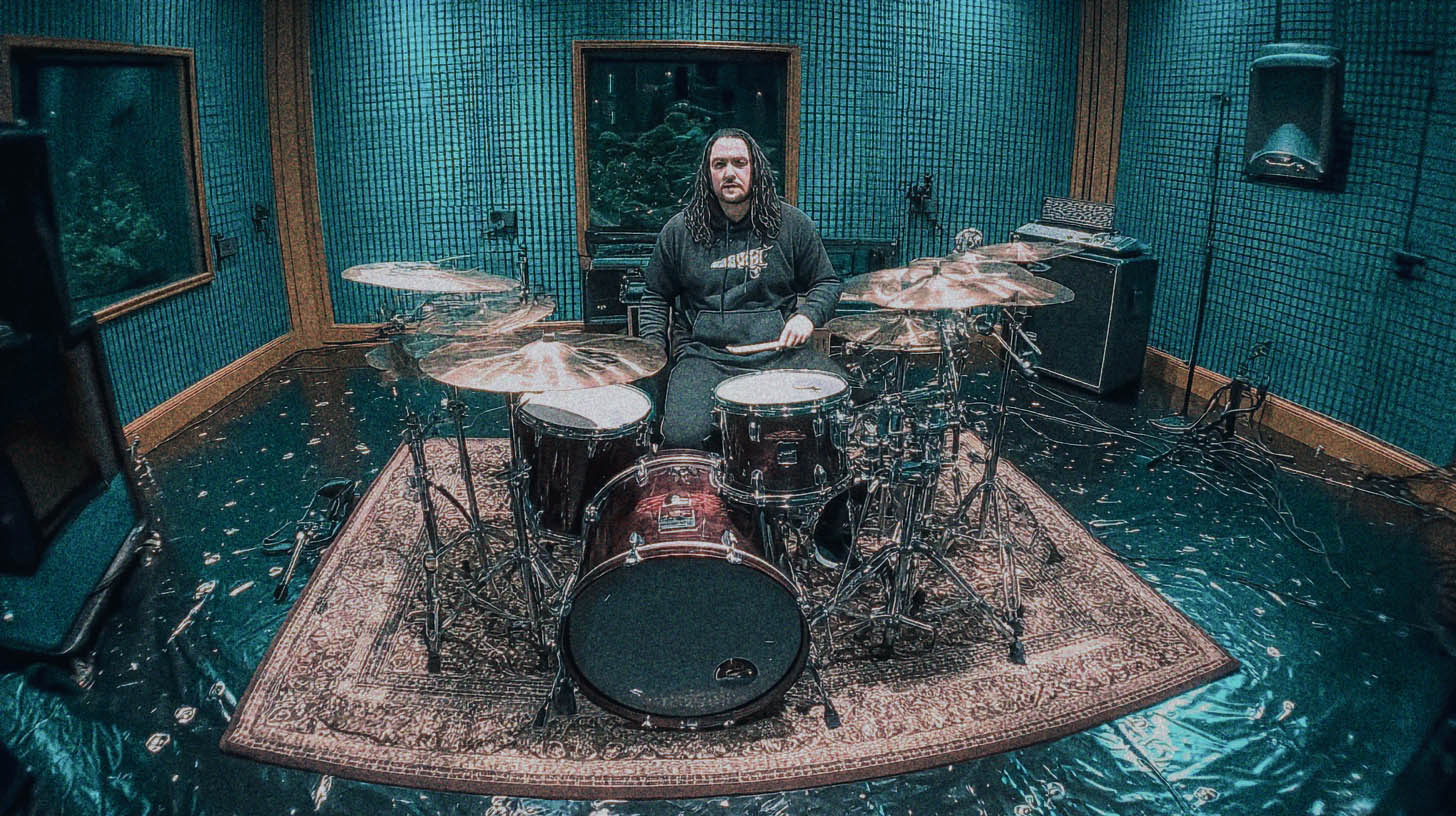
Created by Toontrack and legendary producer Bob Rock (Metallica, Mötley Crüe), Metal Mania EZX is a dedicated expansion for EZdrummer and Superior Drummer. It was recorded at The Warehouse studio in Vancouver, a room known for incredible drum sounds. This isn’t just a random collection of samples; it’s a purpose-built toolkit for heavy music.
The Kits & The Sound
At its core, Metal Mania gives you three distinct and absolutely massive-sounding kits:
- Ayotte Kit: A custom-built favorite known for its deep, punchy, and resonant tone.
- Tama Starclassic Kit: A modern classic that delivers attack, focus, and clarity.
- Ludwig Kit: A vintage beast that provides warmth and thunderous low-end.
These are complemented by a huge selection of Sabian cymbals. The sound profile is modern and polished—these drums sound big right out of the box. They have the attack and punch needed to cut through dense walls of guitars, but enough body and tone to be shaped into whatever your mix requires.
The MIDI Grooves
Don’t sleep on the included MIDI library. Performed by session ace Darby Todd, these grooves cover everything from modern metalcore breakdowns and thrash metal sprints to pounding half-time sections. They’re an incredible songwriting tool and a great way to quickly audition drum parts. More importantly, they’re a perfect starting point for learning how to program realistic dynamics, which we’ll get into next.
The Presets & Mixer
Bob Rock himself crafted a selection of mix-ready presets designed to get you in the ballpark instantly. These are fantastic starting points that showcase the potential of the library. The built-in mixer allows for basic level and panning adjustments, but the real power is unlocked when you start treating these drums like a real multi-tracked kit in your DAW.
The Real Challenge: Making Metal Mania Sound Human
So you’ve got the kits. You’ve got the grooves. Why do your programmed drums still sound like a robot? It comes down to overcoming perfection. No human drummer hits the drum in the exact same spot, with the exact same force, at the exact same time, every single time. That subtle imperfection is what our brains perceive as "feel" and "groove."
Why Programmed Drums Sound Fake
When you just draw in MIDI notes, they default to being perfectly on the grid with a static velocity (usually maxed out at 127). The result is repetitive and boring. Your brain subconsciously checks out. The key is to introduce variation—in both velocity and timing.
Harnessing Velocity for Realistic Dynamics
This is non-negotiable for realistic drums. Metal Mania is a multi-layered, multi-sampled library. That means a MIDI note with a velocity of 90 isn’t just a quieter version of a note at 127—it’s an entirely different sample. It captures a different performance, a lighter hit with a different tonal character.
Here’s how to apply this:
- Ghost Notes: Pull the velocity way down on snare ghost notes (e.g., 20-50) to make them feel like they’re sitting back in the groove.
- Fills: Vary the velocities throughout a tom fill. The first hit might be strong (120), with subsequent hits getting slightly softer (115, 110) to mimic natural arm movement.
- Blast Beats: Here’s a pro move straight from a Dave Otero (Cattle Decapitation, Archspire) session. Real drummers physically can’t hit as hard during a fast blast beat as they can on a slow backbeat. If you just automate the volume of a live snare up during a blast, you also bring up a ton of cymbal bleed and noise. The better solution? Use samples. Keep the velocities of the main snare hits high, but pull the blast beat snare velocities down slightly (e.g., 110-120). Then, programmatically boost the volume of just those sample hits. This gives you the power and consistency you need without the unwanted noise, making the part sound more aggressive and balanced.
Editing with Feel: The 90% Rule
Modern metal demands tight drums, which means quantizing is a must. But locking everything 100% to the grid is a recipe for a robotic performance. The solution? Don’t quantize to 100%.
Try setting your DAW’s quantize strength to 85-95%. This pulls the notes closer to the grid without making them perfectly rigid. It tightens up the performance and makes it sound professional, but it preserves just enough of the original human variation to keep the groove feeling alive. This is about enhancing a performance, not sterilizing it.
Processing Metal Mania for a Finished Mix
To take Metal Mania from a great VST to a finished drum sound, you need to process it like a real kit.
Routing and Stemming Out
First step: get out of the stereo output. Route the individual kit pieces (Kick In, Kick Out, Snare Top, Snare Bottom, Toms, Overheads, Rooms) to separate audio tracks in your DAW. This gives you complete control to EQ, compress, and process each element individually.
EQ and Compression That Slams
Once you have your stems, you can start shaping the tone. While every mix is different, here are some solid starting points:
- Kick: Boost the sub-lows around 60Hz for weight, cut mud around 400Hz to make room for bass and guitars, and add a sharp boost between 4-7kHz for beater click and attack.
- Snare: Add body around 200-250Hz. surgical cuts in the midrange can clean it up, while a boost around 5kHz will bring out the crack.
- Toms: High-pass them to get rid of low-end rumble and scoop the mids (400-800Hz) to prevent them from clashing with the guitars.
- Overheads & Rooms: Use a high-pass filter to roll off everything below 300-500Hz. This removes the boxy sound of the shells and focuses the track on the cymbals’ sizzle and the room’s ambience.
For punch and fatness, bus all your drum tracks to a "Drum Bus" and apply some heavy-handed parallel compression. This is a classic technique for adding power and weight without sacrificing transient detail. For a deeper dive into these techniques, check out these advanced metal compression secrets.
Putting It All Together
Toontrack’s Metal Mania EZX is a phenomenal tool. It gives you world-class drum sounds recorded in a legendary studio at your fingertips. But like any tool, its potential is only realized by the skill of the user. By focusing on realistic velocity programming, quantizing with feel, and processing the stems like a pro record, you can create drum tracks that are powerful, modern, and undeniably human.
Knowing what to do is one thing, but seeing world-class producers actually do it in a real session is a total game-changer. At Nail The Mix, you get to be a fly on the wall as the best producers in metal mix real songs from start to finish.
Imagine watching Jens Bogren or Will Putney tackle these exact problems—dialing in drum samples, setting up parallel compression, and making drums sit perfectly in a dense mix. Check out the full catalog of Nail The Mix sessions and see how our instructors build a pro mix from the ground up, every single month. It’s the ultimate next step in leveling up your productions.