Toontrack Eddie Kramer SDX: More Than Just Classic Rock Drums
Nail The Mix Staff
When you hear the name Eddie Kramer, you probably think of the raw, thunderous drum sounds of Led Zeppelin, the psychedelic swirl of Jimi Hendrix, or the stadium-sized punch of Kiss. So when Toontrack released the Eddie Kramer Legacy of Rock SDX, it was easy to pigeonhole it as a library for vintage tones. But here’s the thing: raw, powerful, and authentic drum sounds are the perfect foundation for any genre, especially modern metal.
The real problem isn't the library; it’s the programming. We’ve all heard sterile, machine-gun blast beats and lifeless programmed drums that sound like plastic toys. The issue isn't the samples themselves, but how they’re used. A great drum library like the Eddie Kramer SDX provides the raw ingredients. It’s up to you, the producer, to turn those ingredients into a huge, breathing, metal drum performance.
Let's dig into how you can take this classic rock powerhouse and make it slam in a modern metal mix.
Product Overview: What Exactly Is The Legacy of Rock SDX?
Before we get into the metal stuff, let's appreciate what we're working with. The Legacy of Rock SDX isn’t just a collection of samples; it’s a meticulously captured piece of rock history.
Eddie Kramer recorded five distinct drum kits across three legendary studios:
- Olympic Studios, London: Famous for its massive room sound, this is where you'll find the Zeppelin-esque vibe.
- Sunset Sound, Los Angeles: Known for a tighter, more focused sound that's graced countless records.
- Kramer's Own Studio: A more intimate and personal space providing unique character.
The kits themselves are iconic, including a Ludwig Keystone kit reminiscent of John Bonham's setup and a unique Armstrong/Zickos clear acrylic kit that delivers insane attack and punch. The key takeaway for metal producers is that these samples are delivered raw. Toontrack and Kramer gave you the multi-tracks just as they would have been on the original tape machine—multiple kick mics, snare top and bottom, overheads, and a collection of room mics that range from tight and punchy to cavernous.
This isn’t a pre-cooked, over-processed metal library. It’s a canvas. And that’s exactly what we want.
Making the Kramer SDX Slam: Actionable Tips for Metal
Putting a vintage-style kit into a modern metal track requires a bit of finesse. You need to respect the character of the original sounds while shaping them to fit a dense, high-gain context. It all comes down to programming and processing.
Velocity is Everything: Ditching the Machine Gun
The single biggest giveaway of programmed drums is static velocity. No human drummer hits the snare at the exact same velocity every single time, especially during a blast beat or a fast fill. Our brains are hardwired to detect unnatural repetition and tune it out.
The Kramer SDX is deeply multi-sampled, meaning there are different recordings for different hit velocities. A snare hit at a velocity of 60 is a completely different sample than one at 127.
Here's how to use this for metal:
- Backbeats: For your main snare hits on 2 and 4, don't just crank them to 127. Pull them back to around 110-120. This leaves you headroom for accents.
- Ghost Notes: Program your ghost notes between 30-70. This creates a realistic groove and feel that makes the main hits feel even more impactful.
- Blasts & Fills: When programming a blast beat, alternate the velocity on the snare slightly. Try alternating between 115 and 125. It’s a subtle change that makes a world of difference, preventing that dreaded "pew-pew-pew" machine-gun effect.
Humanization and Quantization: Finding the Pocket
Perfectly gridded drums are boring. While metal requires precision, a little bit of human imperfection is what gives a performance its feel. Don’t just snap everything to 100% on the grid.
- Quantize to 90%: Most DAWs have a quantization strength setting. Instead of 100%, try setting it to 85-95%. This tightens the performance without sterilizing it, keeping some of the original MIDI performance’s feel—or adding some from a groove template.
- Manual Nudging: Get in there and move individual hits. Try nudging the snare hits in a chorus ever so slightly ahead of the beat to create a sense of urgency. Conversely, pull the kick and snare back a few milliseconds in a verse to give it a laid-back, heavier feel.
Blending and Reinforcing: Getting Modern Weight
The Kramer drums sound huge on their own, but modern metal often demands an extra layer of surgical precision and attack. The secret isn't to replace the Kramer samples, but to reinforce them.
This is a pro-level technique used constantly in metal production. You use the organic, roomy library sample for the body and tone, and blend in a tight, punchy sample to add the attack that will cut through a wall of distorted guitars.
- Kick Drum: Take the "Kick L22" from the SDX—it’s fat and round. Now, find a clicky, modern kick sample (like a Slate Trigger sample or one from a Joey Sturgis Tones pack). Layer it underneath the Kramer kick. Low-pass your trigger sample so you're only getting the "click" from it, and high-pass the Kramer kick slightly to make room. Blend to taste. You get the best of both worlds: Kramer's weight and the modern sample's attack.
- Snare Drum: The same principle applies. Use one of the fat Ludwig snares from the library for its awesome room sound and body. Then, layer a super-tight, snappy metal snare sample (like a classic one-shot) underneath it. This is especially effective for blast beats, where the natural snare might get lost. You can even automate the sample's volume to come up only during the fast parts, giving you extra power exactly where you need it without sacrificing the natural feel of the main backbeats.
EQ and Compression: Shaping the Tone for Metal
Since the SDX samples are raw, you get full control over the tone-shaping process. This is where you can really mold the vintage sounds into something modern and aggressive.
EQ
- Kick: Use a plugin like a FabFilter Pro-Q 3. Carve out some boxiness around 400Hz with a fairly wide Q. Add a boost in the 4-6kHz range for that modern beater click. A high-pass filter set around 30-40Hz will clean up unnecessary sub-rumble and tighten the low end.
- Snare: High-pass up to about 100Hz to get rid of kick bleed. Add a little weight around 200Hz for body. The “crack” of the snare often lives between 3-5kHz—find the sweet spot and give it a boost.
- Toms: The toms in this library are massive. Usually, a scoop in the 300-500Hz range will clean up mud, and a boost in the 5-7kHz range will add attack.
Thinking about how to get guitars to sit with these drums? The same principles of surgical EQ apply. You can learn more about how pros carve out space in a mix by checking out our guide on EQing modern metal guitars for max impact.
Compression
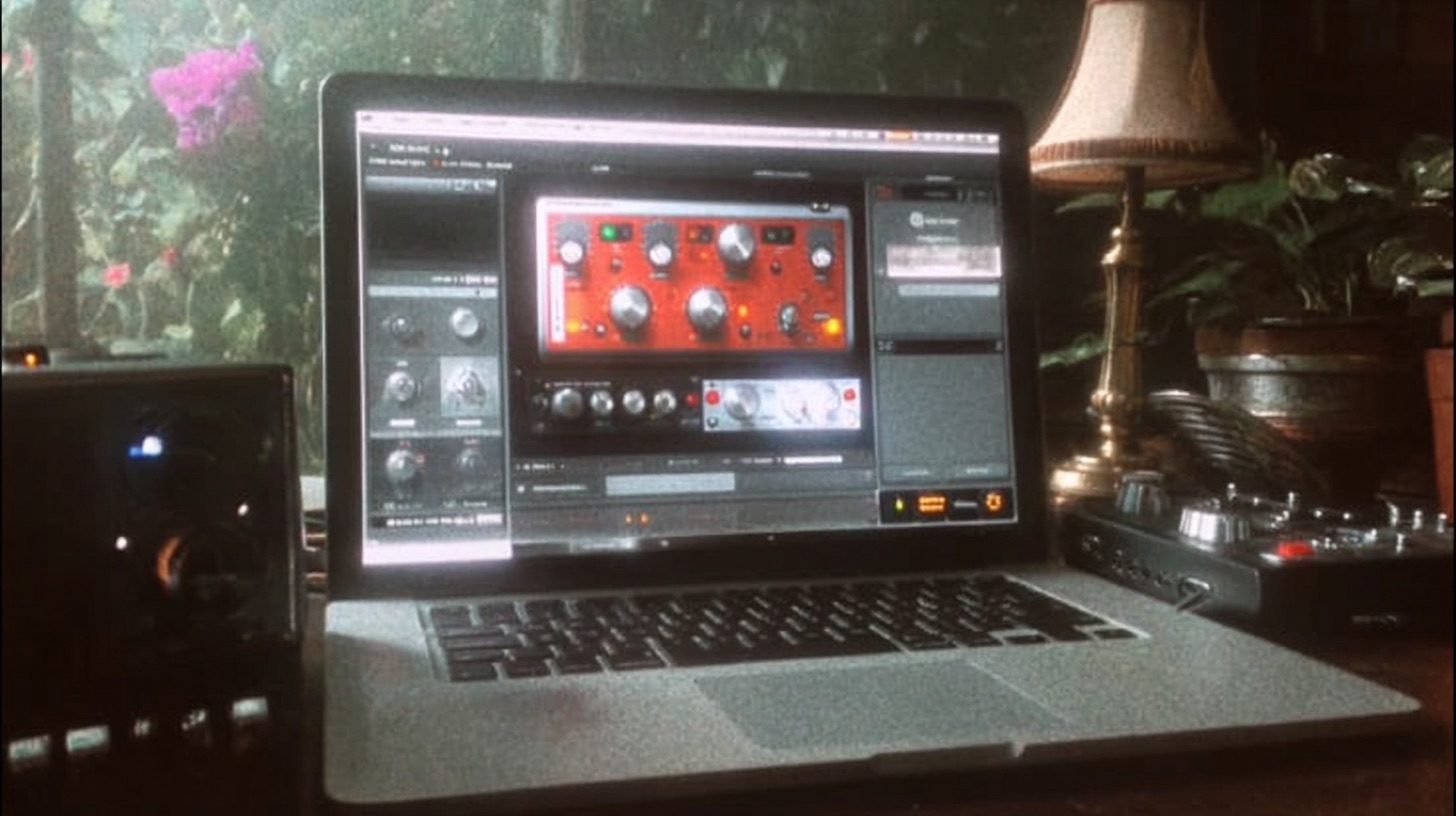
- Shells: Use a fast, aggressive compressor like an 1176 emulation (like the Arturia Comp FET-76 or UAD 1176) on the kick and snare to add punch and control dynamics.
- Drum Bus: The real magic happens with bus processing. Send your entire kit to a stereo bus and apply a VCA-style compressor like an SSL G-Comp or Cytomic's The Glue. Use a slow attack and fast release to let the transients poke through while "gluing" the whole kit together into a cohesive unit. This is fundamental to getting a powerful, unified drum sound. For a deeper dive, explore our metal compression secrets.
Bringing It All Together
The Toontrack Eddie Kramer Legacy of Rock SDX is way more than a one-trick pony for dad rock. It’s a deep, authentic, and powerful tool that, in the right hands, can be the foundation for an incredible modern metal drum sound. By focusing on realistic programming, smart layering, and aggressive processing, you can transform these classic tones into something that will stand up in any dense, heavy mix.
These techniques are a killer starting point. But imagine watching producers like Jens Bogren, Kurt Ballou, or Nolly Getgood (check out all our instructors) apply these concepts to real-world sessions, explaining every plugin choice and automation move along the way.
With Nail The Mix, you don't have to imagine. Every month, you get the raw multi-tracks from a massive song and watch the original producer mix it from scratch. You see how they dial in samples, how they EQ and compress their drum bus, and how they make everything sit perfectly in the mix.
If you’re ready to see how the pros build killer tones from the ground up, check out the full Nail The Mix sessions catalog and take your productions to the next level.