How To EQ Melodic Death Metal Guitars w/ FabFilter Pro-MB (ft. The Haunted)
Nail The Mix Staff
When you’re staring down a ripping metal guitar track, what’s your first instinct? If you’re like a lot of us, it’s to grab an EQ and start making some gnarly cuts. We dive in, carving out huge chunks of midrange to make space and hacking away at fizz. It can definitely clean things up, but are we losing some of the good stuff, too?
After watching legendary producer Russ Russell (At The Gates, Napalm Death) tackle a monstrous track from The Haunted, one thing becomes crystal clear: sometimes the most powerful moves are the most subtle. Instead of butchering a great tone, his approach is more like a surgeon’s, using delicate, precise adjustments to enhance what’s already there. Let’s break down some of the killer guitar and bass techniques he used.
Taming Guitars Without Neutering Them
The first rule of Russ Russell’s fight club is: if the tone is great, don’t mess with it. The band spent a ton of time and effort dialing in a killer sound and capturing a great performance. It would be a crime to completely reshape it with heavy-handed processing. The goal isn’t to change the tone, but to make it sit perfectly in the mix.
The Delicate Touch of Multi-Band Compression
Instead of reaching for a static EQ to tame harshness, Russ loads up a multi-band compressor, specifically the FabFilter Pro-MB. He hones in on the high-mid frequency range that can get a little sharp, but instead of cutting it out completely, he uses the multi-band to gently tuck it in only when it pokes out.
The key here is subtlety. He’s only getting about 1dB of gain reduction, just enough to even out the attack without losing any of the bite. It’s one of those moves you might not even “hear” at first. But when you bypass the plugin, you realize how much tighter and more controlled the guitar has become. It’s a perfect example of how to use metal compression for tonal shaping, not just for dynamics. If you find yourself needing to pull down 5dB or more, there might be an issue with the source tone itself.
Crafting the Perfect Bass Tone
Getting bass to sit right with heavy guitars is a classic metal mixing challenge. Russ’s approach starts way before the mix, by ensuring the bass tone is designed from the ground up to complement the guitars.
Blending Amps for Weight and Authenticity
For this track, the bass tone is a powerful combination of two distinct sounds:
- The Studio Staple: A track recorded through a SansAmp. It’s a go-to for a reason, providing consistent growl and presence.
- The Player’s Sound: The bassist’s actual live rig tone, an Ampeg SVT pushed by a RAT distortion pedal. This was captured using a UAD SVT plugin, preserving the authentic character the player has honed for years.
By blending these two, you get the best of both worlds: the reliable punch of the SansAmp and the unique, personal character of the player’s own sound.
Surgical Strikes with Dynamic EQ
Distorted bass can come with some unwanted baggage, like a harsh, fizzy top end or certain notes that jump out with a “quacky” midrange. Russ tackles this with precision.
Using a dynamic EQ like the FabFilter Pro-Q 3, he identifies the specific frequency of that “quacky” sound on higher notes and sets up a dynamic band to duck it down whenever that note is played. The harshness vanishes, but the rest of the bass tone remains untouched. He uses a similar technique to find and notch out the blanket of high-end fizz, cleaning up noise that would otherwise interfere with the clarity of the guitars and cymbals. These are the kinds of advanced EQ strategies that separate a good mix from a great one.
Mixing with Foresight
Here’s a totally pro move: While EQing the bass in solo, Russ carved out a bit of the low-mids. Why? Because he knew from listening to the guitars that there was a buildup in that same exact spot. By making the cut on the bass preemptively, he solved a problem before it even happened, ensuring the two instruments would fit together instead of fighting for space.
Gluing It All Together
With the core tones dialed in, the final steps are about making everything feel cohesive and powerful. Russ uses a bit more multi-band compression on the bass, this time to tame unruly spikes in the top end and control the sub-lows. Interestingly, he’ll often control the lows first with the compressor and then add a touch of clean sub-bass back in with a separate EQ, giving him tight, controlled low-end with massive weight.
He also prepares for some classic sidechaining—triggering a compressor on the bass from the kick drum to create punch, and another on the guitars from the snare to help it cut through.
Learn from the Pros, Mix Like a Pro
These subtle, surgical techniques show how a top-tier producer thinks. It’s not just about knowing which plugin to use; it’s about listening critically, respecting the source material, and making intentional, controlled moves.
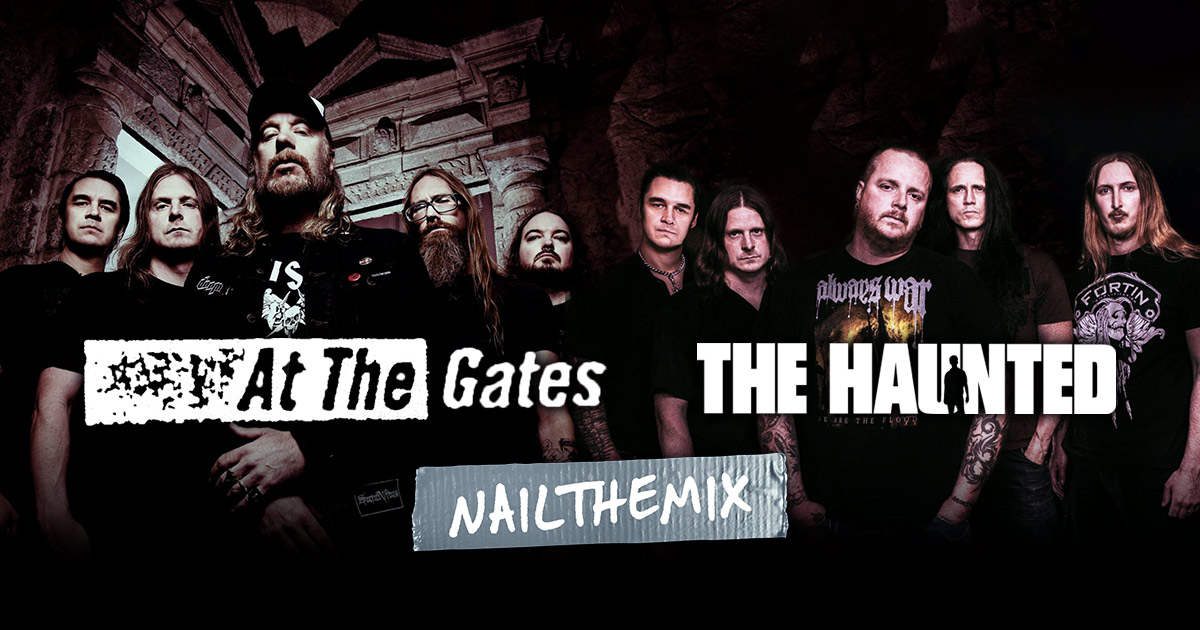
This is just a tiny glimpse into the process. Imagine watching Russ Russell mix this entire track from The Haunted—plus another from At The Gates—from start to finish, explaining every decision along the way. With Nail The Mix, you can.
At The Gates on Nail The Mix
Russ Russell mixes "The Chasm"
Get the Session
When you join, you get instant access to the full 2-for-1 mixing session with Russ Russell, including the raw multitracks for both songs so you can practice these techniques yourself. It’s your chance to learn directly from the producers behind the albums you love. If you’re ready to move beyond presets and truly elevate your skills, see how we can help you unlock your sound.