MixWave Sleep Token Drums: Are They Actually Good?
Nail The Mix Staff
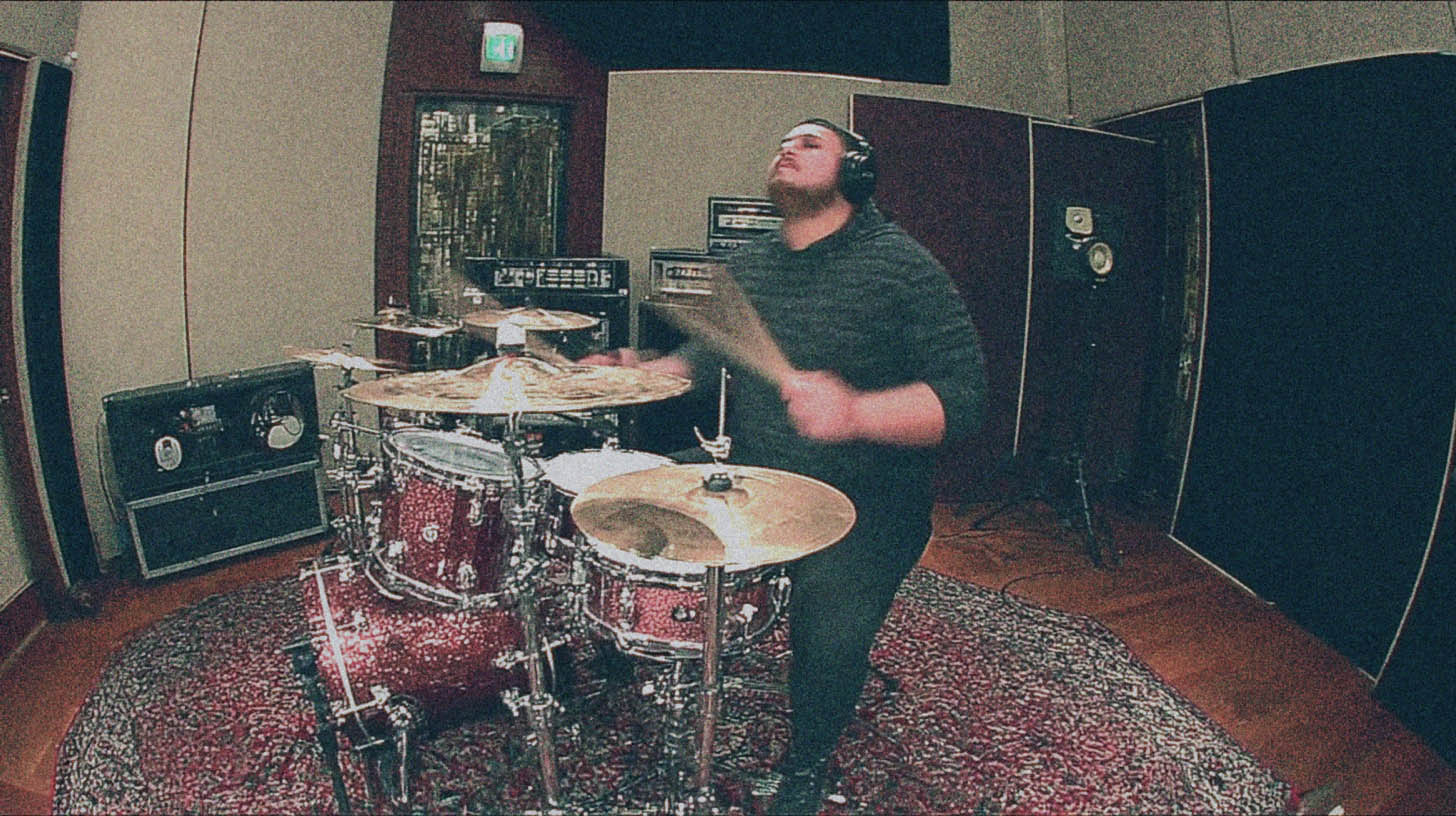
The MixWave Sleep Token drum library is an absolute monster. When it dropped, it felt like every producer in the modern metal scene was talking about it, and for good reason. It captures the unique, genre-bending power of II’s drumming, blending pristine acoustic hits with the glitched-out, processed electronic sounds that define their sound.
But here’s the thing: just owning a killer library doesn’t guarantee a killer drum track. We’ve all heard it—programmed drums that sound like a robot in a tin can, especially during fast passages like blast beats. They sound fake, feel sterile, and have zero groove—it’s one of the biggest problems with modern metal drums.
The problem isn’t the samples. The problem is how they’re used. A great library like this is a tool, not a magic button. To get that massive, dynamic, and human feel that makes II’s playing so captivating, you need to go beyond just dragging and dropping MIDI. Let’s break down how to get the most out of this library and avoid the dreaded “plastic drums in space” sound.
And BTW, you can grab the Mixwave Sleep Token library here.
What’s Inside the MixWave Sleep Token Drum Library?
Before we get into programming, it helps to know your arsenal. MixWave and producer George Lever (Loathe, Thornhill, etc) went deep to capture the exact vibe of Sleep Token’s drum sound.
The Acoustic Core Kit
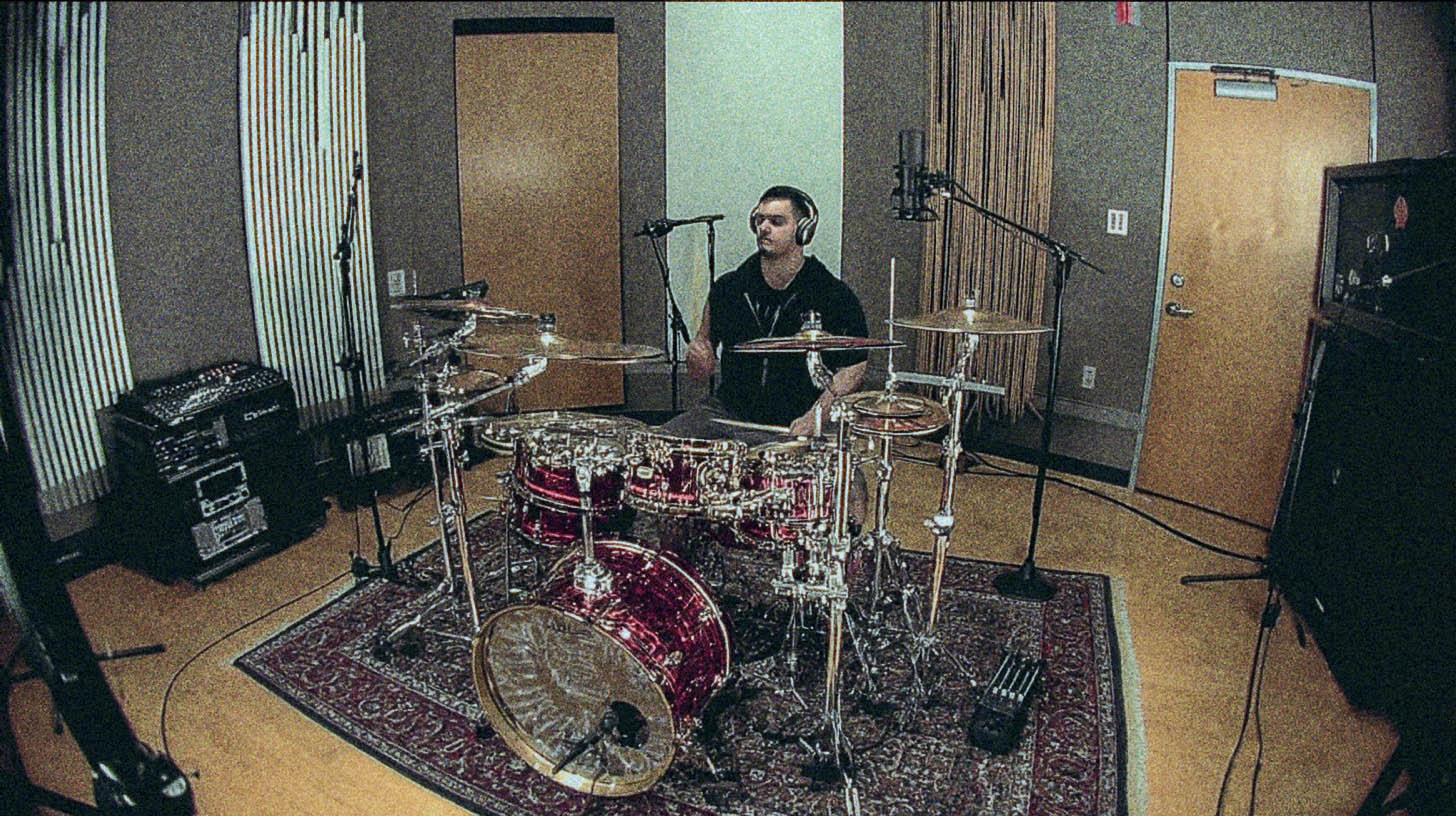
At its heart, this is a beautifully sampled, modern rock and metal kit. You get multiple velocities and round-robins on every piece, which is crucial for realism. The kicks are punchy and deep, the snares have that perfect balance of crack and body, and the toms have a massive, resonant tone. The cymbals are crisp and detailed without being harsh. This is your foundation for building a powerful groove.
The “Secret Weapon”: Processed & Electronic Layers
This is where the library truly shines and captures the Sleep Token essence. Alongside the raw acoustic kit, you get a whole palette of II’s signature electronic sounds. We’re talking heavily processed snares, glitchy percussion hits, and deep sub-drops. These are meant to be layered with the acoustic kit to create that iconic hybrid sound. The built-in mixer makes it easy to blend these in, adding texture and impact that an acoustic kit alone can’t achieve.
Mix-Ready Presets
The library comes loaded with presets that give you an incredible starting point. You can load one up and have a “finished” drum sound instantly. While these are great for songwriting and sketching ideas, the real power comes when you use the raw, unprocessed shells and build the mix yourself.
The Real Challenge: Making Samples Sound Human
Modern metal drums often rely on samples and editing, even on tracks with real drummers. The trick is to infuse that programming with feel. If you just snap every hit to the grid at full velocity, your brain checks out. It becomes repetitive noise. Here’s how to fight that.
Velocity Is Everything
This is non-negotiable. Velocity doesn’t just control volume; in a multi-sampled library like MixWave’s, it triggers entirely different samples recorded at different hitting strengths. A soft ghost note on a snare is a completely different sound from a full-force backbeat.
- Avoid the 127 Wall: Don’t just set every hit to the max velocity of 127. A real drummer is physically incapable of this. Your main backbeats on the snare might live around 115-125, while ghost notes could be anywhere from 20-60. Kicks during a fast double-bass run will naturally be a bit softer than a heavy, half-time groove.
- Program the Performance: Think like a drummer. A fill that moves from the high tom to the floor tom will naturally get a bit louder. The first hit on a crash cymbal after a fill is usually the strongest. A drummer playing fast blast beats has to hit lighter than they would on a slow, pounding breakdown—your MIDI should reflect that. Manually editing the velocities to create these dynamics will instantly make your tracks breathe, giving them a more natural-sounding dynamic range.
Escaping the Grid: Quantization & Timing
Perfectly gridded drums are the number one cause of sterile-sounding tracks. Even the best drummers in the world have slight, human variations in their timing.
- Quantize to 90%, Not 100%: A fantastic trick used by pro editors is to quantize their drums, but not perfectly. In most DAWs (Pro Tools, Cubase, Reaper), you can set the “strength” of the quantization. Setting it to 85-95% will tighten up the performance and align the hits, but it will retain a small amount of the original human feel. This single move can be a total game-changer.
- Push and Pull: Great drummers often play slightly ahead of the beat (pushing) for energy or slightly behind it (pulling) for a heavier groove. Try manually nudging your snare hits a few milliseconds behind the beat in a chorus to make it feel weightier, or push the kick pattern slightly forward in a verse to drive the energy. These subtle timing adjustments are a core part of any pro metal drum editing workflow.
Processing Your Sleep Token Drums for a Pro Mix
Once your MIDI performance feels human, it’s time to mix. The raw samples in the MixWave library are excellent, giving you a perfect canvas.
Dialing in the Shells
For the kick and snare, blending is key. Don’t be afraid to augment the main acoustic samples.
- Snare: Try layering the main acoustic snare with one of the processed electronic snares from the library. Use a slight offset in timing to create a “flam” effect for more impact—this is one of many killer drum sample replacement techniques. A transient shaper like the SPL Transient Designer or Waves Smack Attack can add more crack without just turning up the volume.
- Kick: Create two kick tracks—one for the low-end “thump” and one for the high-end “click.” On the click track, use a plugin like FabFilter Pro-Q 3 to aggressively filter out everything below about 2-3kHz, leaving just the beater attack. Blend it back in with your main kick for clarity, especially in fast double-bass sections. It’s a key part of how to EQ a metal kick drum for maximum punch.
Bus Compression for Glue and Power
Sending all your drum tracks to a single stereo bus (a “drum bus”) and compressing it is a classic move to make the whole kit feel like a single instrument.
An SSL-style bus compressor is perfect for this. Set a slow attack (around 30ms) to let the initial punch of the kick and snare cut through, and a fast release to bring up the body and sustain of the kit. This is one of the most effective ways to add power and cohesion to your drum mix. For a deeper dive into this, check out these killer tips on aggressive mix bus compression for metal.
Creating Space for the Other Instruments
Drums, bass, and guitars all fight for space in a mix. Smart EQ is how you make them all play nice. For example, if your guitars have a lot of low-mid energy (which they should), you might need to carve some of that same area out of your drum overheads or room mics to prevent your mix from sounding muddy. This interplay is critical for a clear and powerful final product. Learning how to balance guitars and bass will actually make you better at mixing drums because you’ll understand what frequencies your kit needs to stay out of.
Putting It All Together: Learn from the Pros
The MixWave Sleep Token library is a phenomenal tool for modern metal production. But as you can see, the real art lies in the details—the velocity programming, the subtle timing shifts, and the thoughtful mixing decisions. These are the nuanced techniques that separate an amateur-sounding track from a professional one.
These are also the exact kinds of skills you can only learn by seeing them in action. The instructors at Nail The Mix are grappling with these challenges every single day on real major-label records.
Imagine watching the actual producer of a massive metal album program and mix the drums from scratch, explaining every single move they make. In the Nail The Mix sessions catalog, you can do just that. You get the raw multitracks from bands like Periphery, Gojira, and Lamb of God and watch producers like Adam “Nolly” Getgood, Will Putney, and Machine break down their entire process. It’s the ultimate way to level up your skills and learn how the pros truly get that polished, powerful sound.