
Mixing Knocked Loose’s Brutal Guitars with Will Putney
Nail The Mix Staff
Let’s be real, the guitar sound on a Knocked Loose record is a force of nature. It’s chaotic, aggressive, and hits with the force of a battering ram. It’s a sound that feels both intentionally sculpted and on the verge of collapsing—a perfect sonic representation of the band’s energy. Ever wonder how a producer like Will Putney wrangles that chaos into a cohesive, punishing mix?
It’s about more than just cranking a high-gain amp. It’s a masterclass in layering, dynamic arrangement, surgical problem-solving, and knowing when to process a single track versus the entire bus. We dove into how Putney approached the guitars for Knocked Loose, and his methods are loaded with actionable tips you can apply to your own heavy mixes. Let’s break down his approach to building that insane guitar tone.
The Foundation: Smart Layering for a Massive Wall of Sound
The core of the Knocked Loose guitar sound is built on a strategic foundation of multiple layers, each with a specific job. It’s not just about stacking identical tracks; it’s about creating a rich, wide, and dynamic picture.
Core Rhythms and Complementary Quads
At the heart of the mix are the main stereo rhythm guitars, panned hard left and right. These are the primary tones, likely tracked through a real amp—in this case, it sounds like an Uberschall was in the mix. But to achieve that signature weight, Putney adds a quad layer—a third and fourth guitar track.
The key here is that the quads aren’t just another copy. They are blended in at a lower volume to complement the main rhythms without overpowering them. Their purpose is to add thickness and fill out the stereo field, creating a massive wall of sound that doesn’t get muddy.
Dynamic Textures with Fuzz Layers
This is where the arrangement gets really interesting. He introduces dedicated fuzz guitar tracks to change the texture throughout the song in that subtle Will Putney way. These aren’t always active, but when they are, their role changes depending on the section:
- For Added Character: In some parts, where there are a total of six guitar tracks playing, the fuzz layers are tucked in underneath the main rhythms. They add a bit of grit and unique character without fundamentally changing the core tone.
- As the Main Tone: In other sections, the main rhythms drop out, and the fuzz tracks are pushed up to become the primary guitar sound. This creates a powerful shift in the song’s energy, moving from a tight, modern distortion to a blown-out, aggressive fuzz texture.
Committing to Sounds: The “Mix As You Go” Workflow
A huge part of Putney’s workflow is committing to sounds during the tracking phase. This is a game-changer for efficiency and helps maintain creative momentum. Instead of recording a dry DI and figuring it all out later, he makes decisions on the spot.
This means things like compression, EQ, effects, panning, and even the relative volume of a part are dialed in as it’s being recorded. The lead guitars in this session are a perfect example. They were tracked with effects and sit in the mix almost exactly as they do in the final version. By the time he opens the session for the final mixdown, the lead bus is already balanced and just needs minor tweaks. This approach leaves you with a great-sounding playback from day one, allowing you to focus on the big picture instead of getting bogged down in tiny details.
Surgical EQ and Tone Shaping
With a solid foundation tracked, the next step is shaping the tones to sit perfectly in the mix. This involves both fixing problems and enhancing what’s already there.
Solving Problems Before Boosting
Upon listening to the main rhythm guitars in solo, Putney identified a bit of unflattering “ring” in the high-mids, pinpointing it right around 2.5kHz. Using a precise EQ cut, he surgically removes that harshness.
Critically, he noticed this ringing issue was only on the main rhythm amp tracks, not the quad layers. So, instead of EQing the entire guitar bus, he applied this fix only to the specific tracks that needed it. This is a pro move that cleans up the tone without negatively affecting other layers.
The Quad Tone Secret: Flexible Amp Sims
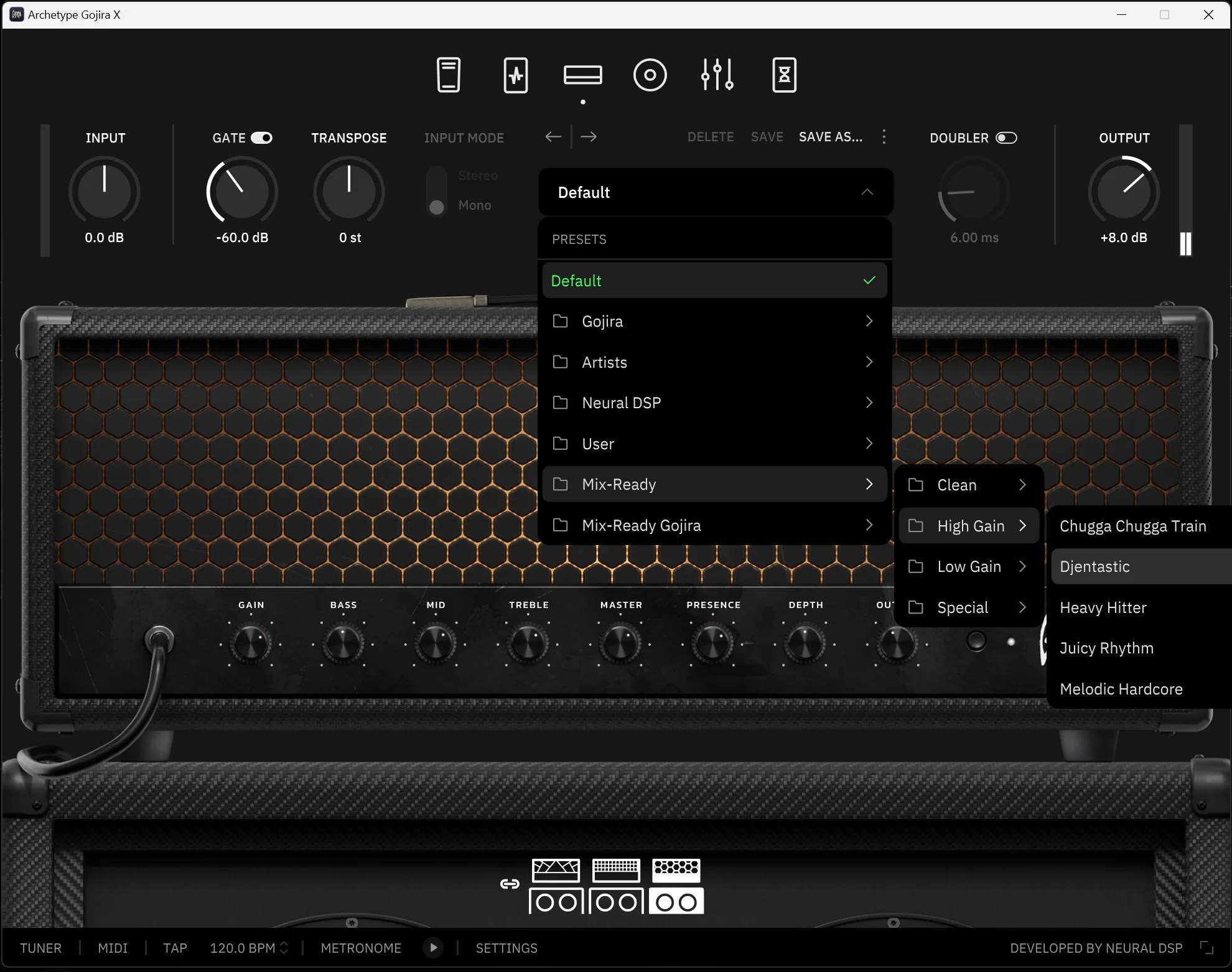
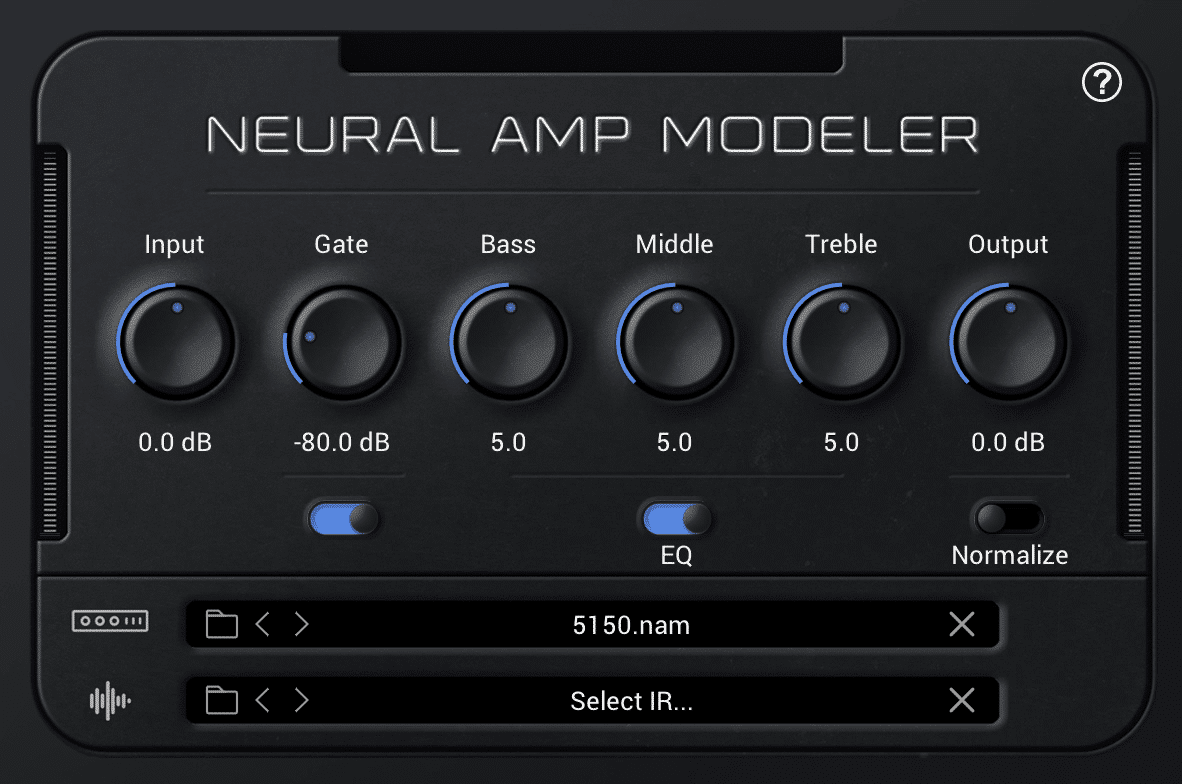
Here’s a key insight: the quad tracks weren’t recorded with another amp. They were created using an amp sim plugin. This was a deliberate choice to give him maximum flexibility during the mix. Because the record features a ton of different distortion and fuzz pedals on the main amps, having a tweakable amp sim for the quads allowed him to change their tone section-by-section to perfectly complement whatever pedal was being used. For this song, the quad tone was brighter with a different mid-range focus, helping to fill in some of the “scrapiness” of the main amp and create a fuller sound.
Adding Punch with Subtle Compression
To make the palm-muted chugs on the quad tracks really dig in and have more impact, Putney adds a touch of subtle compression. Using a gentle 3:1 ratio, he shapes the compressor to enhance the attack of the notes. The goal isn’t to slam the signal but to give the palm mutes a bit more “tooth” and make them feel more aggressive and defined.
Gluing It All Together: Bus Processing Magic
With individual tracks and layers sorted, the final step is processing the buses to make everything feel like a single, cohesive unit. It’s a key part of the Putney sound for both guitars and his famously aggressive drums.
The Analog Touch: Aurora Audio EQ on the Guitar Bus
For overall guitar bus shaping, Putney turns to his analog hardware, specifically the Aurora Audio GT4 EQ. His approach is a combination of broad-strokes sweetening and filtering:
- Filtering: He uses the EQ’s high-pass and low-pass filters, noting their “very musical” rolloff is perfect for guitars.
- High-End Hype: A high-shelf boost helps the guitars cut through and compete with the brightness of the cymbals.
- Mid-Range Character Scoop: A subtle but very narrow (high-Q) scoop around 630Hz carves out a touch of “honky” midrange, adding character.
A Fatter Mix: The 90Hz Two-Bus Bump
As he listened, Putney felt the mix as a whole was a bit light in the low end. Instead of just adding bass to the guitars and potentially making them muddy, he made a crucial decision to address it on the master (two-bus).
By engaging his Chandler hardware on the main output, he adds a tiny lift at 90Hz. This small move has a huge impact, gluing the low-end of the kick, bass, and guitars together. It makes the entire foundation of the mix feel fatter and more powerful—a much better solution than trying to fix a global problem on an individual track.
See The Master At Work
These techniques are the kind of pro-level insights that separate a good mix from a great one. It’s one thing to read about them, but it’s another to see them in action. At Nail The Mix, you get to be a fly on the wall as producers like Will Putney mix legendary tracks from scratch.
Knocked Loose on Nail The Mix
Will Putney mixes "Mistakes Like Fractures"
Get the Session
If you want to see exactly how Will Putney applied these techniques—blending the layers, dialing in the EQs, and setting up his bus processing—you can get his full, multi-hour mixing session with the original multitracks. It’s an unparalleled look into how a world-class producer crafts a world-class metal mix. Check out the full Knocked Loose mixing session on Nail The Mix and take your productions to the next level. Ready to unlock your sound beyond presets? This is how it’s done. Watch Will Putney mix Knocked Loose now.