Dialing In Humanity’s Last Breath’s Crushing Guitar Tone
Nail The Mix Staff
The guitar tone of Humanity’s Last Breath is a force of nature. It’s impossibly low, brutally heavy, and surprisingly clear in a dense, atmospheric mix. If you’ve ever wondered how mixer/producer Buster Odeholm crafts that signature sound, you might assume it’s some unobtainable combination of custom gear and arcane studio magic.
Think again.
During his exclusive session with us, Buster broke down the entire guitar chain, revealing a process that relies more on smart plugin choices and targeted processing than on expensive hardware. We’re going to walk through his method for achieving that ultra-low-tuned guitar sound, from the DI all the way to the final mix bus.
It All Starts at the Source: The Player and the DI
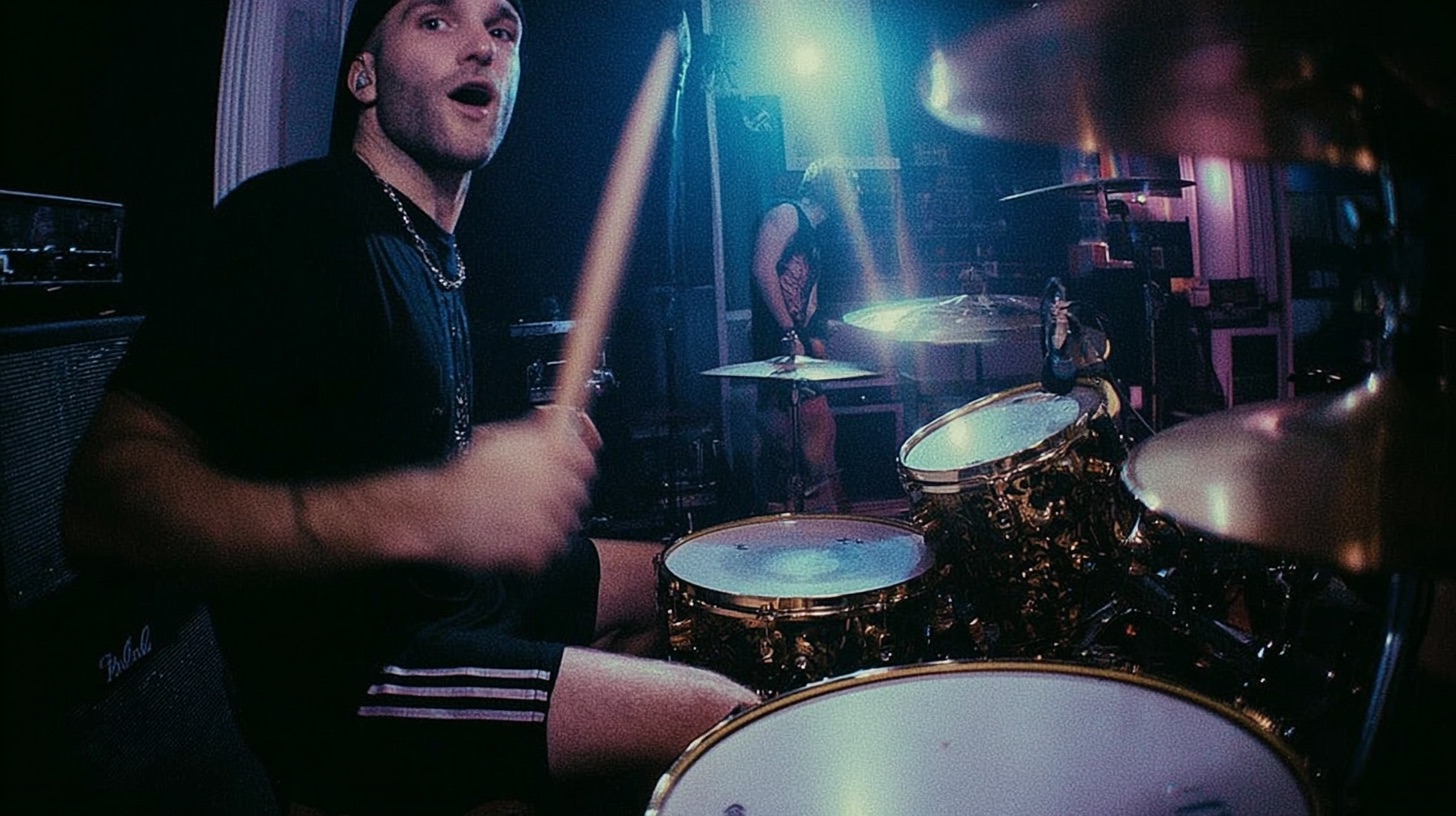
Before a single plugin is loaded, the foundation of the tone is already being laid by the player. Buster works with DIs from guitarist Calle, and one of the first things he points out is just how powerful the raw performance sounds. Learning how to record a guitar DI properly is foundational, but here it’s simply a great player with the right setup plugged straight into a Focusrite interface.
The Importance of High Action
You can hear Calle chugging hard on the strings, yet there’s no distracting fret buzz or weak-sounding notes. The key? His string action is set higher than what you’d find on a typical shred guitar. While many players chase super-low action for fast playing, a higher setup is essential for ultra-low tunings. It allows the strings to ring out with full sustain and clarity, even under a heavy-handed attack. It’s a testament to how the foundation of modern heavy metal guitars is about precision, not just gear.
The Gear Behind the Performance
The right instrument is crucial for handling these low tunings. Calle uses one of his signature Ibanez baritone guitars, likely a 28-inch scale model, which provides the necessary string tension. These are loaded with Lundgren M6 pickups, known for their clarity and tightness in high-gain situations. The signal chain before the interface is dead simple: guitar into a Whammy pedal, and that’s it.
Building the Core Tone with Pod Farm
The amp simulation at the heart of this tone is the venerable Line 6 Pod Farm. It’s a core component of how he dials in the famous ultra-low tones using Pod Farm & IRs. Buster’s chain inside the plugin is simple but incredibly effective, using a precise combination of a boost pedal and an amp head to get that signature springy, aggressive character.
A Different Kind of Boost
Many metal producers reach for a Tube Screamer-style boost (like a TS808) to tighten the low end by cutting bass frequencies before the amp. Buster does the opposite.
He uses a boost pedal in Pod Farm that actually adds low end back in, ensuring the tone stays massive. He’s boosting the high-mids for that “springy” attack, but the key is that he isn’t sacrificing weight.
Here are the settings:
- Mids: High
- Mid Frequency: 51%
- Treble: 60%
- Bass: 60%
The Amp Head Settings
Following the boost is the amp model itself. The settings are dialed to create a sound that’s aggressive and mid-focused without being harsh. The gain is surprisingly moderate, relying on the boost and the player’s performance for much of the aggression.
- Gain: 50%
- Bass: 15%
- Mids: 85%
- Treble: 60%
- Presence: 70%
Shaping the Sound with IRs and EQ
With the amp tone dialed in, the next step is placing it in a space with a cabinet impulse response (IR) and using EQ to make it fit the mix perfectly.
The “Vildhjärta Live” Cab IR
This is where things get interesting. Instead of a typical Mesa or Marshall cab IR, Buster uses a very specific user IR. It was captured from a POD XT Live unit that Vildhjärta used for their live shows. This IR is incredibly dark and has almost no natural high-end sizzle. On its own, it sounds muffled, but that’s the point—it provides a unique, controlled foundation to build upon.
Aggressive EQ to Find the Bite
Because the chosen IR is so dark, it requires some serious post-EQ to bring it to life. This is a perfect example of not just accepting a stock sound, but learning how to EQ metal guitar to completely reshape it. Buster isn’t trying to perfectly “tone match” the original POD XT sound; he’s just using EQ to pull out the frequencies that make the guitar sound better in the context of the track. This involves a significant high-end boost to compensate for the dark IR, adding all the necessary attack and aggression back in.
Final Polishing for the Mix
A great solo tone is one thing, but making it work in a dense mix requires a few more moves. Buster uses a combination of mid-side processing, compression, and sidechaining to ensure the guitars are wide, punchy, and don’t fight with the other elements.
M/S Tricks for Mono Compatibility
To help the guitar riffs translate on smaller speakers like phones or Bluetooth devices, Buster employs a creative mid-side EQ trick. He boosts the core midrange frequencies, but only on the mid channel . This pushes the fundamental part of the guitar forward in the mono field, making it more audible without making the stereo image sound narrow or cluttered.
Taming Dynamics and Adding “Glue”
Next, Buster applies some standard mix bus processing. This includes multi-band compression to control dynamics across the frequency spectrum, being careful to leave the low-end uncompressed to retain its power. A “Stressor-style” compressor is also used to add character and glue. These are the kinds of metal compression secrets that take a good tone and make it feel professional and cohesive.
Finally, he uses sidechain compression to subtly duck the guitars whenever the kick and snare hit. This creates a small pocket of space for the drums to punch through, dramatically increasing the clarity and impact of the overall rhythm section.
See It For Yourself
Crafting a tone like this is a masterclass in intentional decision-making. From the player’s high action to the unconventional boost and the dark IR/bright EQ combination, every step has a purpose. These are the exact kinds of professional techniques taught every single month in our Nail The Mix sessions.
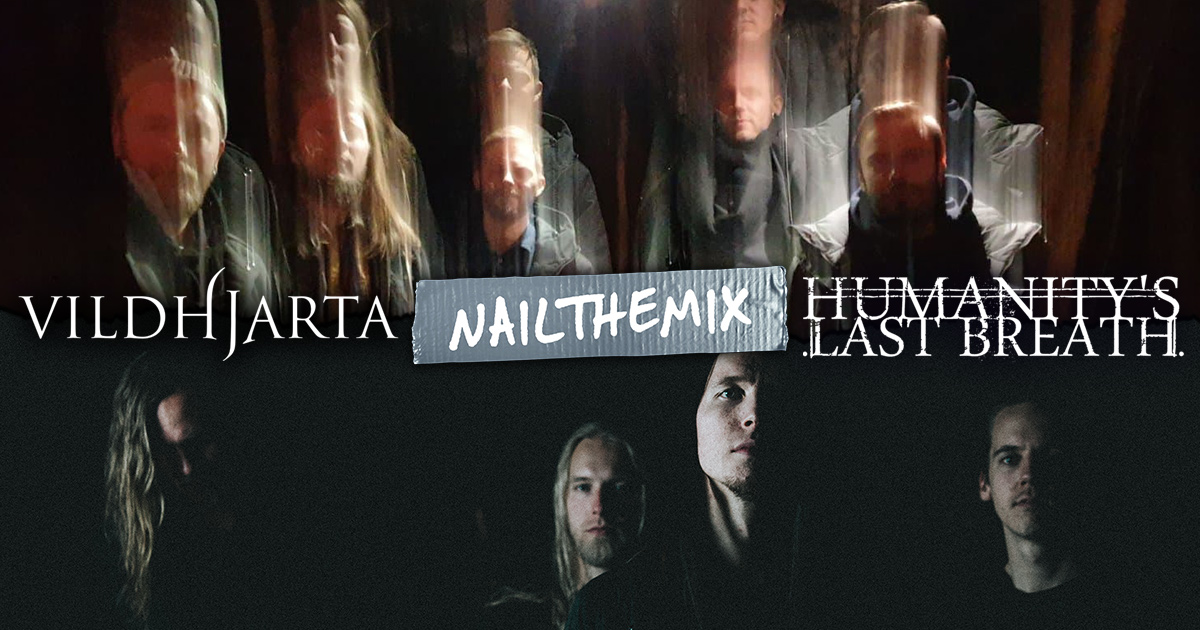
Humanity's Last Breath on Nail The Mix
Buster Odeholm mixes "Labyrinthian"
Get the Session
If you want to go beyond presets and truly unlock your sound, a deep dive is the best way to learn. To see Buster Odeholm build this entire tone from scratch and explain every single move, check out his full Humanity’s Last Breath mixing session. You get the raw multitracks from the actual song, so you can apply these techniques on your own system and mix alongside a pro. Get access to the Humanity’s Last Breath session here and start making your low-tuned guitars sound absolutely massive.

And for those who want to dive really deep, get Buster’s course “How It’s Done.”