Mixing Tosin Abasi’s Animals As Leaders Guitar Tones
Nail The Mix Staff
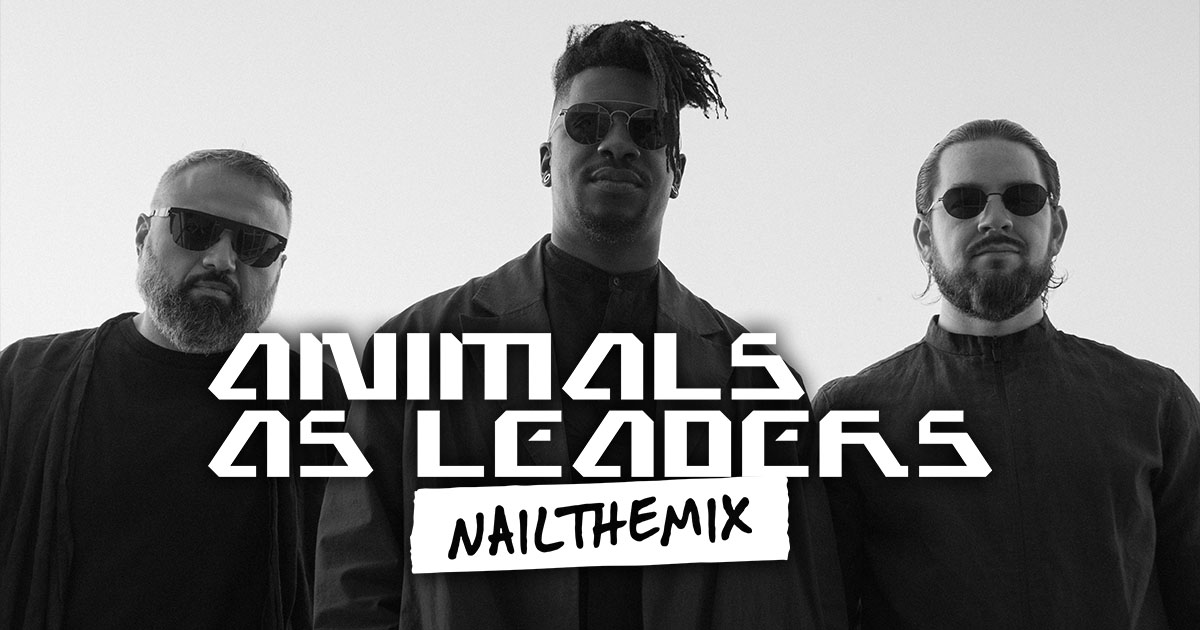
Let’s be honest, the first time you heard Tosin Abasi’s guitar thump technique, your jaw probably hit the floor. He’s a true pioneer, and the tones on Animals As Leaders records are as intricate and powerful as the playing itself. Mixing a guitarist of that caliber is a unique challenge. How do you preserve the detail while ensuring it hits hard in a dense mix?
We got an inside look at how producer/mixer Nick Morzov tackled the guitars on the song “Red Miso.” He breaks down the entire signal chain, from pedals to amps to his in-the-box processing. Forget presets—this is about building a custom tone from the ground up that serves the song. Let’s dive into his approach.
Building the Core Tone: A Pedal-Platform Approach
Before a single EQ plugin was touched, the foundation of the guitar tone was built with a carefully selected chain of hardware. The goal was to create a consistent, sculptable sound that could handle everything from clean chugs to searing leads.
Taming the Dynamics with a Pre-Compressor
Tosin’s playing is incredibly dynamic, which is awesome for musicality but can be a challenge for mix consistency. To solve this, the first thing in the signal chain was a Cali76 compressor pedal.
The key here is that this compression was applied to the DI signal before it hit any drive pedals or amps. By getting a consistent level at the very beginning of the chain, Nick ensured that the amp and drive pedals would react evenly, preventing notes from getting lost or jumping out too much. It’s a pro move that sets the stage for a much easier mixing process later on.
The Pedalboard: Sculpting, Not Just Driving
While the final tone is heavy, the drive didn’t just come from a cranked amp. The core of the sound for the thump and lead parts was a Freedman drive pedal. This pedal served as the “bread and butter” for the main distorted tones.
Interestingly, another pedal was used before the Freedman—a Proton Dead Horse. But instead of using it for more gain, Nick turned the drive all the way down and the tone all the way up. It was used purely as a tone-shaping tool to sculpt the signal before it hit the main drive stage, essentially acting as a hardware EQ.
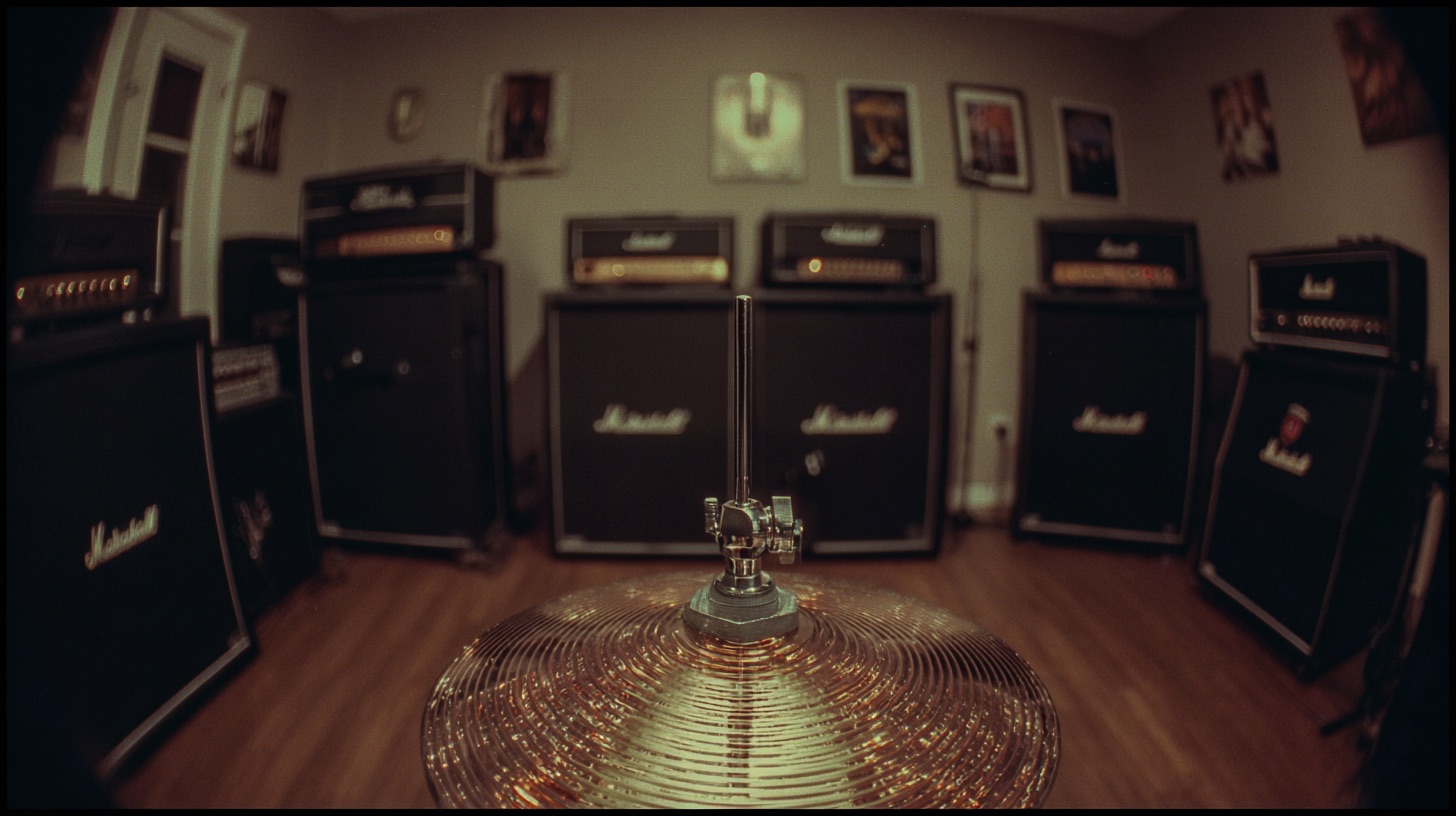
This entire pedal chain was then fed into a Morgan amp, which was chosen for its neutral, pedal-platform character. By using the pedals for drive and the amp for clean power, they could create the perfect foundation for modern heavy metal guitars while running everything through the same head and a single 90s-era Slant Mesa 4×12 cab.
Carving Space: Nick’s EQ Philosophy
With a solid tone recorded, the next step was making it sit perfectly in the mix. Nick’s approach combines broad, foundational boosts with hyper-specific, surgical cuts.
The “Guitar Starter” Template
For many of the guitar tracks, Nick started with a similar set of broad EQ moves to establish a baseline. He often calls it his “guitar starter” setting, which he then tweaks to fit the specific part. This generally includes:
- A Low-End Shelf: A low shelf cutting frequencies somewhere between 80-100Hz to tighten up the bottom end and make room for the bass and kick.
- A “Throaty” Mid-Range Boost: A boost somewhere between 1kHz and 1.5kHz to add presence and help the guitars cut through the mix.
- A Body Cut: A cut around 200Hz to remove muddiness.
- An Air-y High Shelf:1 A high shelf boost around 10kHz to add top-end clarity and bite.
- A High-Pass Filter: A filter cutting off the extreme, inaudible highs around 12kHz.
These moves create a powerful, mix-ready starting point. For a deeper dive into how to apply these kinds of moves in your own mixes, check out our guide on EQ strategies for mixing modern metal.
The Most Important Move: Cut the Annoying Stuff
Here’s where the real magic happens. After the broad strokes, Nick gets incredibly specific with subtractive EQ. His philosophy is simple: listen for any harsh, resonant, or “annoying” frequencies and surgically remove them with a narrow EQ band.
For clean-yet-heavy tones, you often need to add a lot of top end at the source, which can introduce fizziness. Instead of a broad treble cut that would dull the tone, Nick finds the exact offending frequencies and notches them out. On one track, he identified harshness at 2kHz and again between 3-4kHz. By precisely cutting them, he made room for the cymbals and cleaned up the guitar tone without sacrificing its aggressive bite.
Advanced Tricks: Creative Compression and Delay
Beyond EQ, a few more smart processing moves helped shape the final sound and add professional polish.
Light Touch DAW Compression
You might be surprised to learn that the in-the-box compression on the guitar tracks was “super light.” Because the Cali76 pedal did the heavy lifting of controlling dynamics at the source, only minimal compression was needed in the DAW to gently glue things together.
The DIY Ducking Delay
This is a killer trick for lead guitars. Tosin likes his delays directly on the track, so Nick used two, one at 500ms and one at 900ms. To keep them from washing out the lead lines, he created his own ducking delay.
Here’s the setup:
- The lead guitar track has a send going to an aux track with the delay plugins on it.
- On that same aux track, a compressor is placed after the delays.
- A send from the dry lead guitar track is routed to the sidechain input of that compressor.
The result? When Tosin is playing, the dry signal triggers the compressor on the delay track, pushing its volume down. As soon as he stops or holds a note, the compressor releases and the delay trails swell up to fill the space. It’s a brilliant way to get huge, atmospheric delays that never interfere with the performance itself.
Putting It All Together
Mixing Animals As Leaders is a masterclass in detail. It’s about building a solid foundation with pedals and amps, using broad EQ to shape the tone, and then using surgical cuts and creative effects to make it shine.
Animals as Leaders on Nail The Mix
Nick Morzov & Javier Reyes mixes "Red Miso"
Get the Session
These are the kinds of techniques the world’s best producers use every day. If you want to see exactly how they do it, step-by-step, you need to check out Nail The Mix. Every month, you get the real multi-tracks from a massive metal song and watch the original producer mix it from scratch, explaining every decision along the way.
You can see Nick Morzov apply these very techniques and more in his full mixing session for “Red Miso.” It’s your chance to go beyond simple tutorials and unlock your sound by learning directly from the pros.
Watch Nick Morzov mix Animals As Leaders, only on Nail The Mix.