
Ribbon vs Dynamic Mics: Which Is Best for Modern Metal?
Nail The Mix Staff
The quest for the perfect metal guitar tone is never-ending. We obsess over amps, pedals, pickups, and plugins, but it all comes back to one critical point: the microphone in front of the speaker. For decades, the conversation was dominated by a few dynamic mic legends. But as modern metal evolves, with its insane low tunings and demands for hyper-polished production, the debate between the trusty dynamic and the sophisticated ribbon has never been more relevant.
You’ve probably heard the old rules: dynamics for aggression, ribbons for smoothness. But it’s not that simple. The real magic for today’s metal producer lies in knowing why you’d pick one over the other, and more importantly, how to creatively combine them to get a sound that’s both massive and clear.
Let’s break down the contenders and how they fit into a modern metal workflow.
The Workhorse: Why Dynamic Mics Still Rule Metal
Dynamic mics are the bedrock of metal guitar recording for a reason. They’re built like tanks, can handle the insane SPL of a dimed Mesa Boogie or a Peavey 5150 without breaking a sweat, and they have a distinct character that just works for heavy music.
The Shure SM57: The Undisputed Champ
If you’ve ever recorded a guitar amp, you’ve used an SM57. It’s not just a classic; it’s the standard. Its magic lies in its presence peak in the upper midrange. This frequency boost helps guitars cut through a dense mix, providing the aggressive bite and articulation needed to make fast, down-tuned riffs intelligible.
In a modern context where you’re dealing with eight-string guitars and fighting for space against a kick drum that sounds like a cannon, that mid-range clarity is non-negotiable.
Actionable Tip: The Fredman Technique
A staple micing technique for a reason. Grab two SM57s. Point one directly at the sweet spot of the speaker cone (where the dust cap meets the cone is a great starting point). Angle the second SM57 at about 45 degrees right next to the first, pointing at the same spot. The phase interaction between the two mics creates a naturally scooped, aggressive tone that sounds instantly like a record. It was a go-to for producers like Fredrik Nordström for a reason.
The Sennheiser MD421-II: The 57's Beefier Brother
The MD421 is another legend, often found on toms but a killer on guitar cabs, too. Compared to the SM57, it has more low-midrange body and a slightly different top-end response. If you have a guitar tone that’s a bit thin or you just want to capture more girth and weight from the cab, the 421 is a fantastic choice.
Actionable Tip: Tame the Lows at the Source
The MD421 has a five-position bass roll-off switch. Don’t be afraid to use it! Instead of capturing a ton of low-end mud you’ll just have to EQ out later, try setting the switch to ‘M’ (Music) to tighten things up right at the source. This can save you a ton of cleanup work in the mix.
The Secret Weapon: The Rise of Ribbons in Metal
For a long time, the common wisdom was that ribbon mics were too fragile for high-gain amps. The sheer air pressure would shred the delicate ribbon element. While that was true for vintage models, modern ribbons are a different beast entirely. They’re tougher, more reliable, and have become a secret weapon for countless top-tier metal producers.
A ribbon mic’s defining character comes from its incredibly smooth and natural high-end response. Where a dynamic mic has a jagged, aggressive presence peak, a ribbon naturally rolls off the highest frequencies. This is HUGE for modern metal.
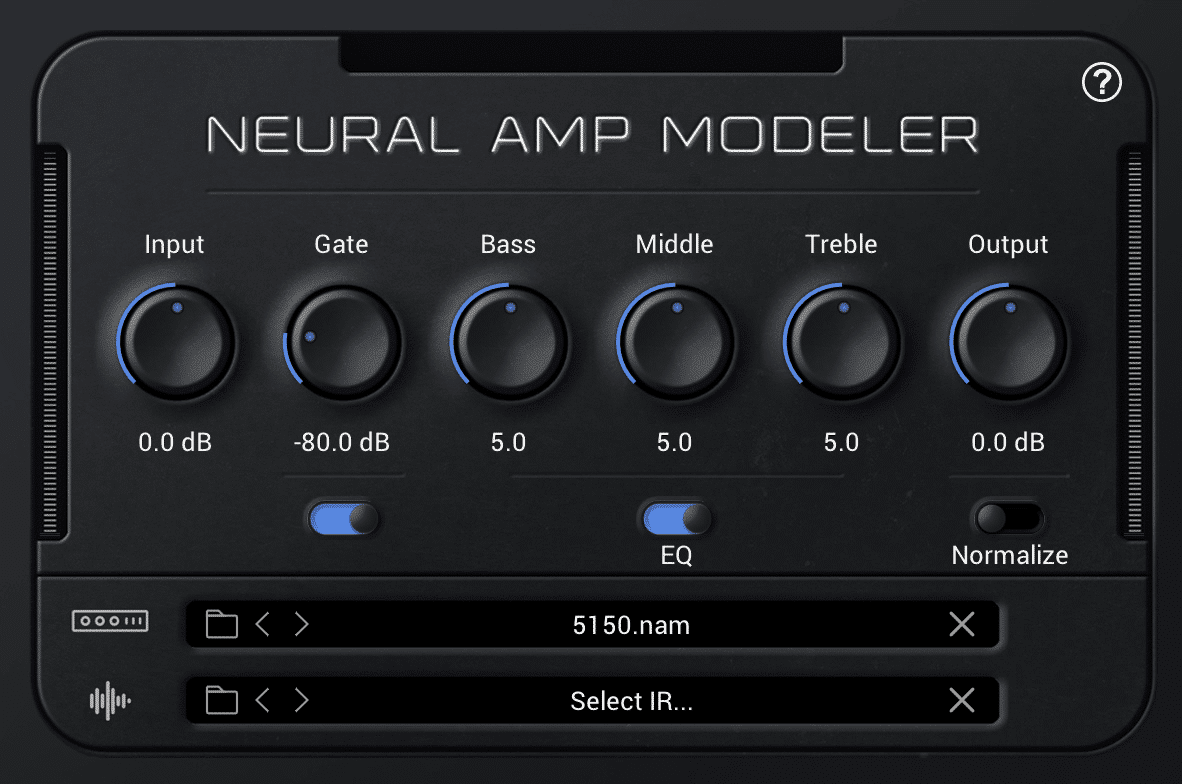
With today’s ultra-saturated, high-gain tones from amps or plugins like Neural DSP’s Archetype series, you often get a ton of unwanted high-end “fizz.” A ribbon mic tames that fizz at the source, giving you a massive-yet-smooth tone that takes EQ beautifully.
The Royer R-121: The Modern Metal Standard
The Royer R-121 is arguably the mic that made ribbons a staple in heavy music. It can handle a staggering 135dB SPL, so you can stick it right on a screaming cab without fear. It delivers a rich, warm, and thick sound that perfectly captures the body and weight of a guitar tone without any of the harshness.
For those super-low, 8-string chugs that can easily sound thin and clanky, the R-121 captures the fundamental low-mid frequencies in a way that sounds powerful, not muddy.
The beyerdynamic M 160: The Hypercardioid Cutter
Used by legendary producers like Andy Sneap and Kurt Ballou, the M 160 is a unique ribbon. Its hypercardioid polar pattern makes it incredibly focused, rejecting more room sound and bleed than other mics. It also has a slightly brighter and more aggressive character than the R-121, making it a great middle-ground option when you want that ribbon smoothness but with a bit more bite. It's a killer choice for capturing a tight, focused tone that still has that rich ribbon character.
The Ultimate Combo: Blending Mics for Modern Tones
So, ribbon vs dynamic? The real pro answer is: why not both?
The most common and powerful technique in modern metal production is to blend a dynamic mic with a ribbon mic. This gives you the best of both worlds.
The classic pairing is a Shure SM57 and a Royer R-121 on the same speaker cone.
- The SM57 provides the aggressive, cutting mid-range and attack.
- The R-121 provides the low-end weight, body, and smooth top-end.
Your Workflow:
- Placement: Line up the capsules of both mics so they are as close together as possible, both pointing at the same spot on the speaker. This minimizes phase issues.
- Gain Staging: Get a clean, healthy level from both mics into your DAW.
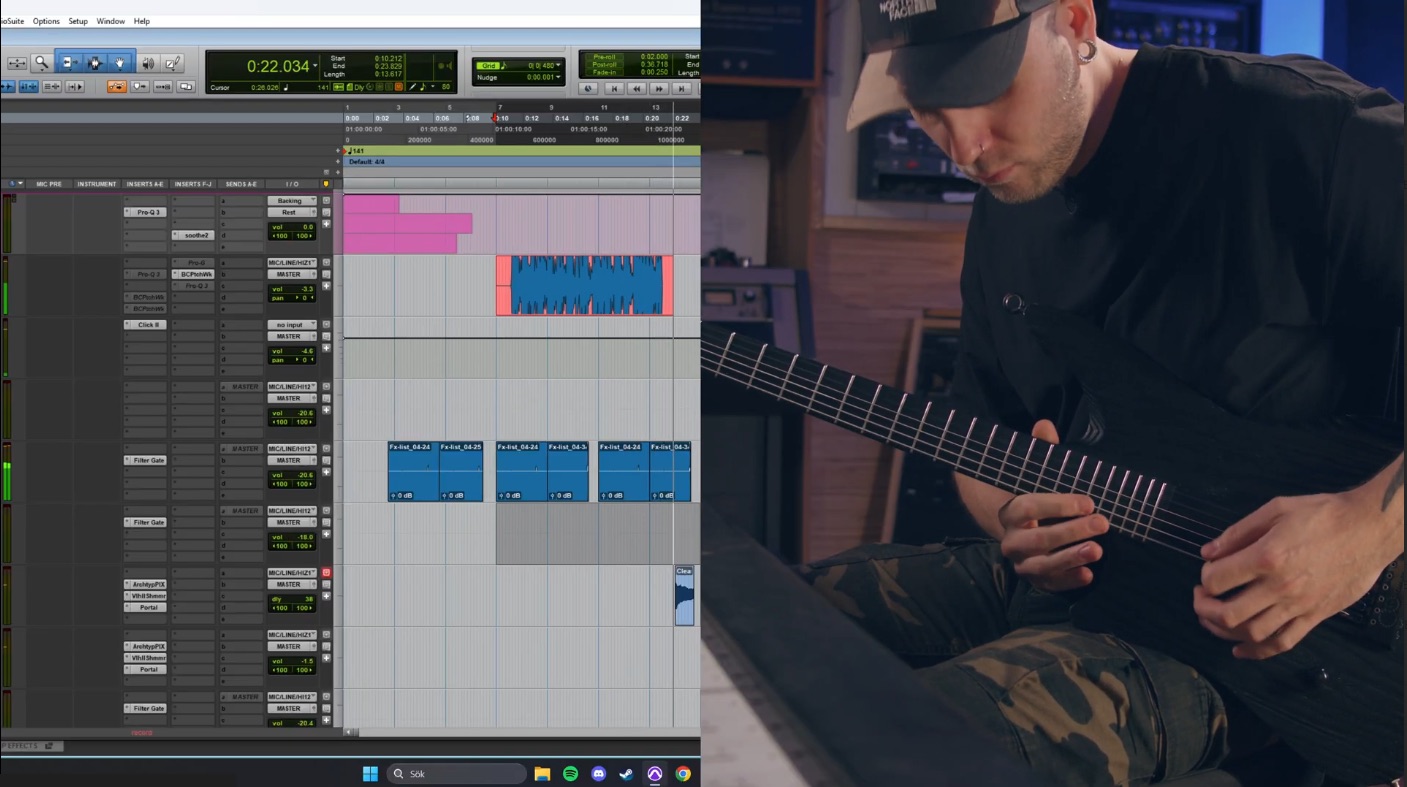
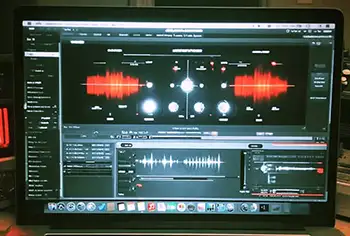
- Phase Check: Zoom in on the waveforms. If they look out of sync, or if flipping the polarity/phase switch on one of the channels makes the combined sound fatter and fuller, you’ve found the right alignment. You can also use a plugin like SoundRadix Auto-Align to lock them in perfectly.
- Blend: Start with both faders at zero. Listen to how they combine. Do you need more bite? Push the 57 up. Need more body? Push the 121 up. You can craft the perfect raw tone before you even touch an EQ plugin.
Starting with a great blend like this means you’ll have to do far less surgical work later on. You won’t be fighting fizz with a million EQ notches because the ribbon already smoothed it out for you. For more tips on this, check out our guide on EQing modern metal guitars for max impact.
It’s Not Just About Guitars
This philosophy extends beyond just guitar cabs.
- Drums: An M 160 can be a fantastic overhead or hi-hat mic for a dark, focused, and less splashy cymbal sound. An MD421 on toms is… well, it’s the sound of rock and metal toms.
- Vocals: For aggressive screams, a dynamic like the Shure SM7B is king. But for a modern metalcore song with big, melodic choruses, a ribbon can add incredible body and warmth to clean vocals, helping them feel huge without sounding harsh.
- Bass: Blending a DI signal with a mic’d amp is classic. Try an Electro-Voice RE20 (a dynamic famous for its lack of proximity effect) on the cab to capture low-end punch without mud.
Taking It to the Next Level
Understanding the fundamental differences between ribbon and dynamic mics is a massive step up for any producer. It’s not about which is “better”—it’s about having the right tool for the job and knowing how to combine those tools for a killer result.
But reading about it is one thing. Imagine watching producers like Will Putney, Dan Lancaster, or Jens Bogren actually blending these mics, dialing in the phase, and carving out space with EQ and crushing compression in a real session.
That's exactly what we do at Nail The Mix.
Every month, you get the actual multitracks from a massive metal song and watch one of the world's best instructors mix it from scratch, explaining every single decision. If you’re ready to see how the pros really build these tones from the ground up, check out our full catalog of sessions. It's time to stop guessing and start mixing with confidence.