Is PreSonus Studio One Good For Metal Production?
Nail The Mix Staff
- Pro Tools vs Presonus Studio One
- Cubase vs Presonus Studio One
- Logic Pro vs Presonus Studio One
- Reaper vs Presonus Studio One
What Exactly is PreSonus Studio One?
Studio One is a relatively new player compared to giants like Pro Tools or Cubase. It was built from the ground up by former Steinberg developers (the folks behind Cubase), and you can feel that DNA. They essentially took a hard look at what worked (and what didn’t) in other DAWs and aimed to create a more modern, streamlined experience. Its core philosophy is a fast, drag-and-drop, single-window workflow. The goal is to keep you in the creative zone without constantly juggling floating windows and navigating clunky menus. But is it powerful enough for the demanding needs of metal production?The Good Stuff: Why Metal Producers Might Dig Studio One
Studio One packs some serious heat that makes it a top contender for rock and metal. It nails the essentials while adding some game-changing modern features.Killer Audio Editing & Workflow
This is non-negotiable for metal. We’re constantly doing insanely tight edits on drums, quantizing multi-tracked guitars, and comping vocal takes. This is where DAWs like Ableton Live or Logic can feel sluggish. Studio One, however, excels here. Its audio engine is robust, and the workflow is lightning fast.- Comping: The take-and-comping system is incredibly intuitive. You can quickly swipe through different vocal or guitar solo takes to build the perfect performance without a bunch of tedious track management.
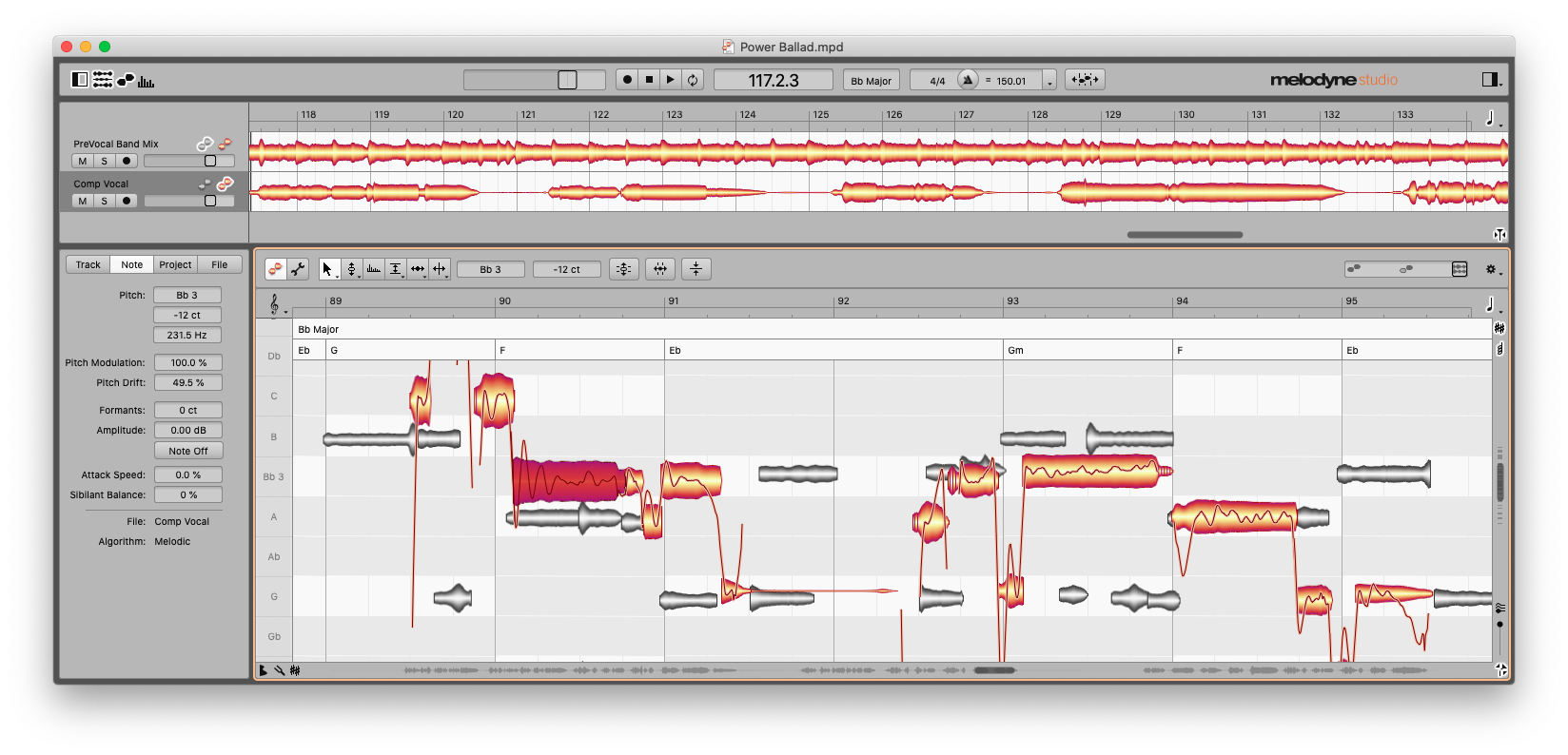
- ARA Integration: Studio One has flawless, native ARA integration with tools like Melodyne and VocAlign. This means you can tune vocals or align doubles directly on the audio clip in your timeline without having to instantiate a plugin and transfer the audio in real-time. It’s a massive time-saver.
- Smart Tools: The context-sensitive tools mean you spend less time switching between cursors for trimming, fading, and moving clips. It’s a small thing that adds up to a much faster editing experience.
MIDI That Doesn’t Suck
Let’s be honest, the MIDI in Pro Tools can feel like an afterthought. If you’re a songwriter who builds demos with virtual instruments like Superior Drummer 3, GetGood Drums, or orchestral libraries, you need a DAW that handles MIDI well. Studio One bridges this gap perfectly. It has a powerful piano roll, intuitive automation, and easy instrument routing that feels much closer to Cubase or Logic. You can compose complex arrangements with VSTs and then seamlessly transition into tracking and editing real audio, all in one environment.The Project Page: Integrated Mastering
This is Studio One’s secret weapon. In any other DAW, when you finish your mix, you bounce a stereo WAV file and open it in a separate project (or a different piece of software) for mastering. Studio One’s “Project Page” lets you assemble your album, apply mastering processing (EQ, compression, limiting), add track metadata, and export all the final formats (WAV, MP3, DDP) from one integrated window. Even better, if you hear something in the master that needs a mix tweak, you can hop back to the mix file, make the change, and it automatically updates in your mastering project. It’s a ridiculously efficient workflow you won’t find anywhere else.Stock Plugins That Actually Rip
While you’ll probably use your favorite third-party plugins, Studio One comes with a solid suite of tools that are genuinely useful for metal. The ProEQ³ is a fantastic surgical EQ, and the Fat Channel XT gives every track a flexible console-style channel strip with EQ, compression, gating, and saturation options. For powerful bus processing, a solid stock compressor is a must-have, and Studio One delivers. Learning how to apply metal compression secrets with these tools can get you 90% of the way to a professional sound.
The Downsides: What to Watch Out For
No DAW is perfect, and Studio One’s biggest weakness has nothing to do with its features.The “Popularity” Problem
Studio One is the underdog. It’s not the industry standard like Pro Tools, nor does it have the massive user base of Logic or Cubase. This has real-world consequences:- Collaboration: If you plan on sending sessions to other producers, mixers, or recording studios, they will almost certainly be running Pro Tools. You’ll be the one responsible for printing stems and making sure everything lines up, which can kill a creative workflow.
- Finding Help: While the Studio One community is passionate, it’s smaller. You’ll find fewer tutorials and fewer pro producers to learn from. Looking at the list of Nail The Mix instructors, you’ll see the majority are on Pro Tools, Cubase, and even Reaper.
Studio One vs. The Big Guys for Metal
- vs. Pro Tools: Studio One is faster for writing and A-to-B testing, with a far superior MIDI environment and the killer Project Page. Pro Tools is the undisputed king of compatibility and has a workflow that’s deeply ingrained in the professional studio world.
- vs. Cubase: This is its closest rival. They are very similar in capability, which makes sense given their shared developer DNA. The choice often comes down to which user interface and workflow philosophy clicks with you personally.
- vs. Reaper: Reaper is the king of customization and has a passionate community built around its “for us, by us” ethos and generous free trial. Studio One is more “plug-and-play,” with a slicker, more opinionated design out of the box.
- vs. Logic Pro: Studio One wins for metal, hands down. Its audio editing is far more precise, it’s cross-platform (Windows and Mac), and its workflow is generally better suited for heavy, track-intensive projects.