Unboxing A Day to Remember “Right Back At It Again” multi-tracks
Nail The Mix Staff
Let’s be real, A Day To Remember’s “Right Back At It Again” is a perfectly polished, radio-ready anthem. It’s punchy, it’s massive, and every part sits exactly where it needs to be. That slick final product comes courtesy of legendary producer/mixer Andrew Wade. But when you peel back the layers and look at the raw multi-tracks, you find some seriously clever and surprisingly simple tricks that built this modern rock classic.
We got to crack open the original session from our friends at Nail The Mix, and the production insights are too good not to share. Forget what you think you know about needing million-dollar studios; this track is a masterclass in making a hit record with smart techniques, not just expensive gear.
The “Kitchen” Drum Sound That Powered a Hit Record
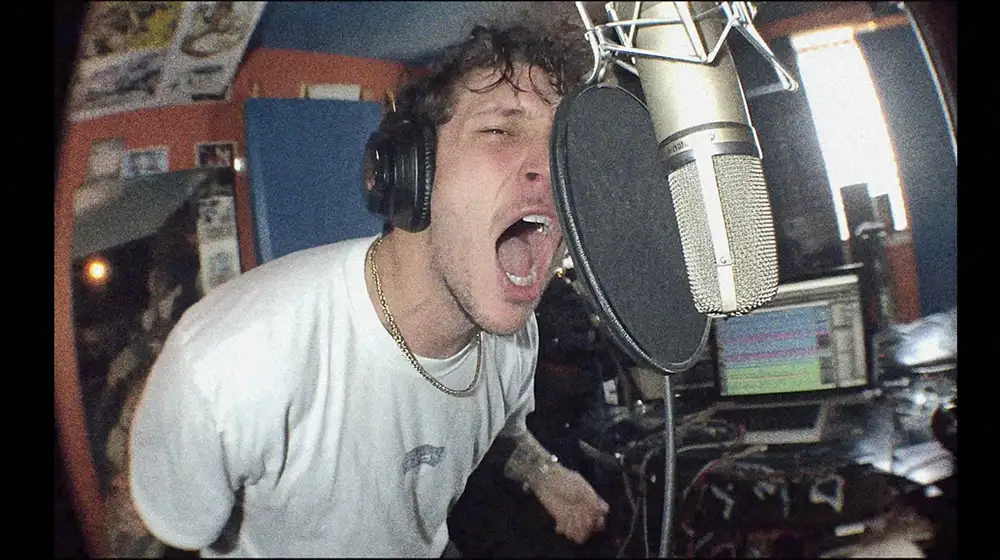
One of the biggest surprises? These massive-sounding drums weren’t tracked in some legendary Hollywood drum room. They were recorded in Andrew Wade’s house—likely in his kitchen or living room before he opened The Audio Compound. It just goes to show that with the right know-how and killer songs, you can craft a number-one record from anywhere.
A Hybrid Approach to Kicks and Snares
The first thing you’ll notice is the hybrid setup. The performance was tracked “hands only,” meaning the kicks were programmed later. The session provides MIDI for the kicks, giving the mixer total control over the kick sound by choosing their own samples.
The live snare, however, is a beast. It’s hit hard and consistently, providing a perfect foundation. It’s clean enough to use on its own but also an ideal candidate for layering with a couple of your favorite samples to get that perfect modern crack and body. The overheads and a single room mic (probably just placed at the back of the kitchen) capture all the energy and cymbal texture you need to build a professional drum sound.
Andrew Wade’s Short Tom Trick
Here’s a pro move you can steal for your next session. If you listen to the isolated tom tracks, they’re incredibly short and tight—almost like another set of kick drums. This is a signature technique Andrew Wade (and other top mixers like Taylor Larson) uses.
Instead of capturing a long, resonant tom decay at the source, he records them very tight. Why? It gives you maximum control in the mix. You can then add the perfect length and character using reverbs or even samples of room ambience, shaping the decay to fit the song perfectly. You’re never stuck trying to gate a tom that rings out for too long. If you’re struggling with muddy tom fills, give this a try.
Why a “Boring” Bassline is Actually Genius
In a genre flooded with complex riffs, the bass on “Right Back At It Again” sticks to a deceptively simple job: digging in on the root notes and locking in a tight foundation. And that’s what makes it so effective. The bass player’s primary role here is to marry the kick drum to the rhythm guitars, creating a rock-solid low-end that the rest of the song can build on.
The session includes both a bass DI track and a bass MIDI track. The DI captures all the humanity of the performance, but the MIDI track is a powerful tool. It’s likely there to be used with a synth to create a super-consistent sub-bass layer that sits underneath the distorted DI tone. This technique of splitting the bass into distinct low and high-frequency layers is a cornerstone of modern metal production.
Building a Wall of Sound with Smart Guitar Layering
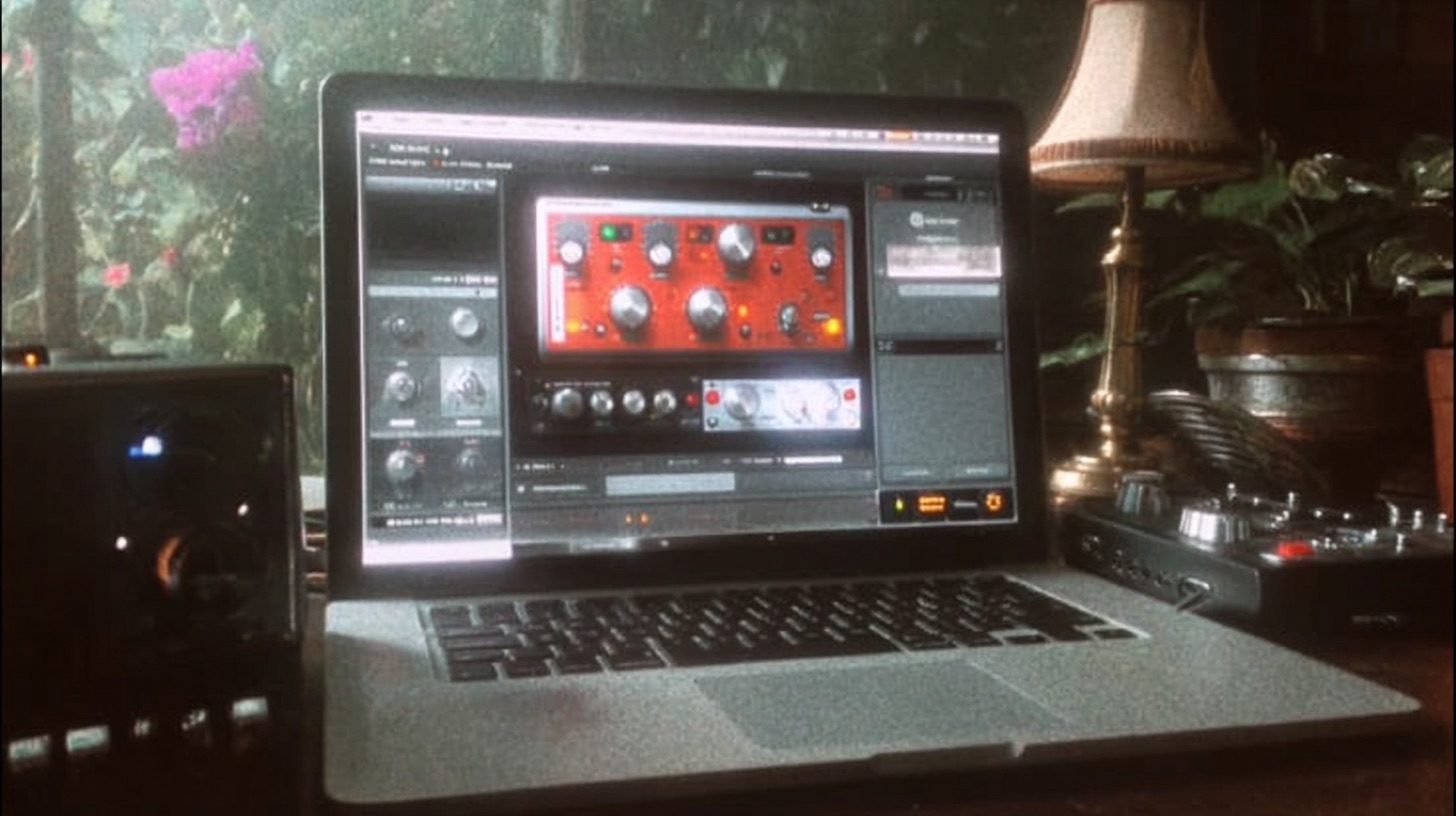
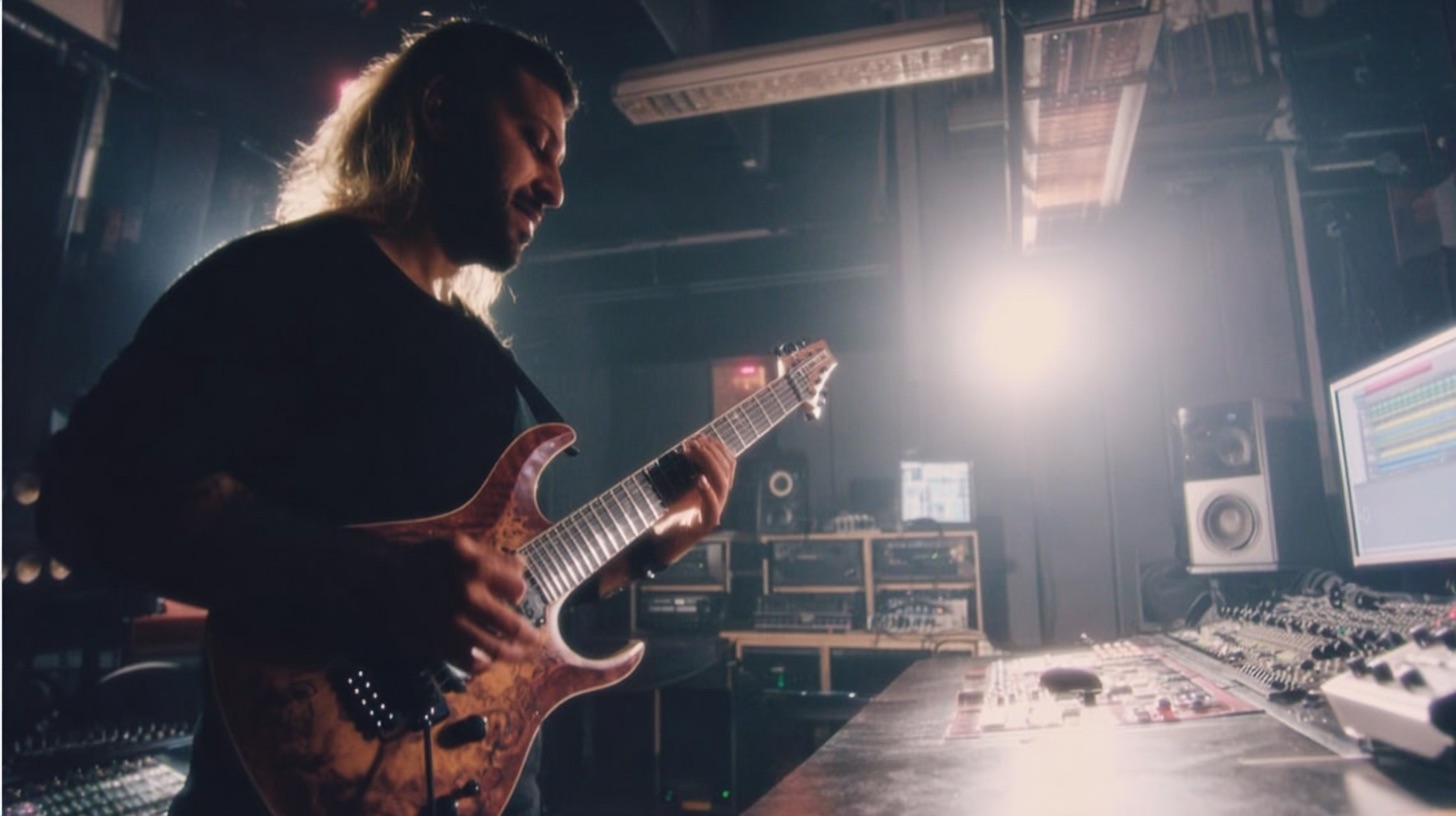
The session provides a suite of DI guitar tracks: four for rhythm and another four for leads. This gives you a blank canvas to craft your own tones. In the unboxing, Eyal Levi threw on some default settings from Joey Sturgis Tones’ Toneforge Menace and Ben Bruce plugins just to have something to listen to, but the real magic is in dialing in your own custom wall of sound.
Simple Rhythms, Complex Leads
The brilliance of the guitar parts is in the arrangement. The four rhythm guitars lay down a simple, powerful chord progression. This clean foundation creates the space for the lead guitars to do all the heavy lifting with layers of octaves, arpeggiated melodies, and counter-melodies. With so many guitar tracks playing at once, making them all fit without turning into a fuzzy mess is a major mixing challenge. It’s one reason why Wade developed a trick to get a new cab sound without needing to re-record anything.
The Real Secret Weapon: Masterful Arrangement
If there’s one takeaway from this session, it’s this: arrangement is everything. Doing something simple right is way harder and more effective than doing something complex for the sake of it.
Making Simple Sound Huge
This track is a masterclass in dynamic arrangement. You can feel the song shift from section to section without even looking at the markers in a DAW. A semi-clean arpeggiated guitar enters at the exact moment the drummer switches to the hi-hat. The chorus hits, and it’s undeniably the chorus. These intentional choices are what separate good songs from great ones, sometimes requiring clever tricks like a ‘dream gate’ on the drums to perfect the dynamics. The simple foundation from the bass and rhythm guitars is what allows the intricate leads and massive vocals to shine without the mix collapsing into chaos. To recreate this kind of sectional contrast in your own mixes, volume automation on guitars and bass is one of the most effective tools—pushing instruments up or pulling them back between verses, choruses, and breakdowns to guide the listener’s emotions.
The Pop-Production Vocal Stack
The vocal production is massive. There are main lines, doubles, triples, harmonies, screams, and gang vocals. A key technique borrowed from big pop productions is the use of intricate vocal harmonies in the chorus. They aren’t mixed to be heard as distinct individual parts; instead, they’re tucked underneath the main vocal to create a thick, musically rich texture that just makes the chorus feel more epic and emotionally impactful.
The “Beatbox Breakdown” and Producer Creativity
Just when you think you have the song figured out, it drops into a beatbox-and-barbershop-quartet-style arrangement right before the final chorus. This is the kind of wildly creative idea that a great producer like Andrew Wade brings to a session. It’s a memorable, unique moment that elevates the entire track.
It’s exactly why A Day to Remember is known for the creativity behind sections like this and their amazing artwork.
Put These Tricks to the Test
So, how do you take all these elements—home-recorded drums, programmed kicks, short toms, layered guitars, and a dozen vocal tracks—and make them sound like a cohesive, powerful hit? That’s the art of mixing. It requires careful balancing, smart EQ, and the right master bus compression approach to glue it all together.
These production tricks are an incredible starting point. But seeing how a pro actually assembles these raw parts into a finished mix is a different level of education. With Nail The Mix, you get a front-row seat to watch the world’s best producers mix massive songs from bands like A Day To Remember, Gojira, and Periphery from scratch.
A Day To Remember on Nail The Mix
Andrew Wade mixes "Right Back At It Again"
Get the Session
You can get your hands on these exact raw multi-tracks and try mixing this legendary song for yourself. Get ready to build your own guitar tones, layer in drum samples, and tackle that massive vocal arrangement. Dive into the A Day To Remember session with Andrew Wade and see if you’ve got what it takes to make it sound like it belongs on the radio. Happy mixing