Using Mono-to-Stereo Contrast for Huge Mix Impact (ft. Thornhill)
Nail The Mix Staff
Let’s talk about impact. That moment a song kicks in and just feels massive. It’s a feeling we all chase in our productions. While roaring guitars and pounding drums are crucial, sometimes the secret to a huge-sounding drop lies in what happens right before it. For Thornhill’s epic soundscapes, producer George Lever uses clever post-production and electronic elements to set the stage, making the band’s entrance feel harder and wider than you thought possible.
We got a look inside his session for Thornhill, and he dropped some seriously cool techniques for adding texture, vibe, and a killer sense of space. It’s a masterclass in how small, intentional moves with compression, saturation, and stereo imaging can create a gigantic payoff. Mastering these techniques comes down to controlling the mix’s dynamics to create maximum contrast and excitement. If you want to elevate your intros and make your choruses explode, you need to try these tricks. Let’s break it down.
Crushing the Vibe with Vintage Compression
For the electronic elements in the Thornhill intro, the goal wasn’t a clean, modern, polite sound. It was the opposite. George was aiming for a “cassette tape” or “old school boombox” vibe—something with grit, character, and aggressive movement. This texture is key to the track’s feel and it all starts with some serious hardware compression.
The Fatso Advantage
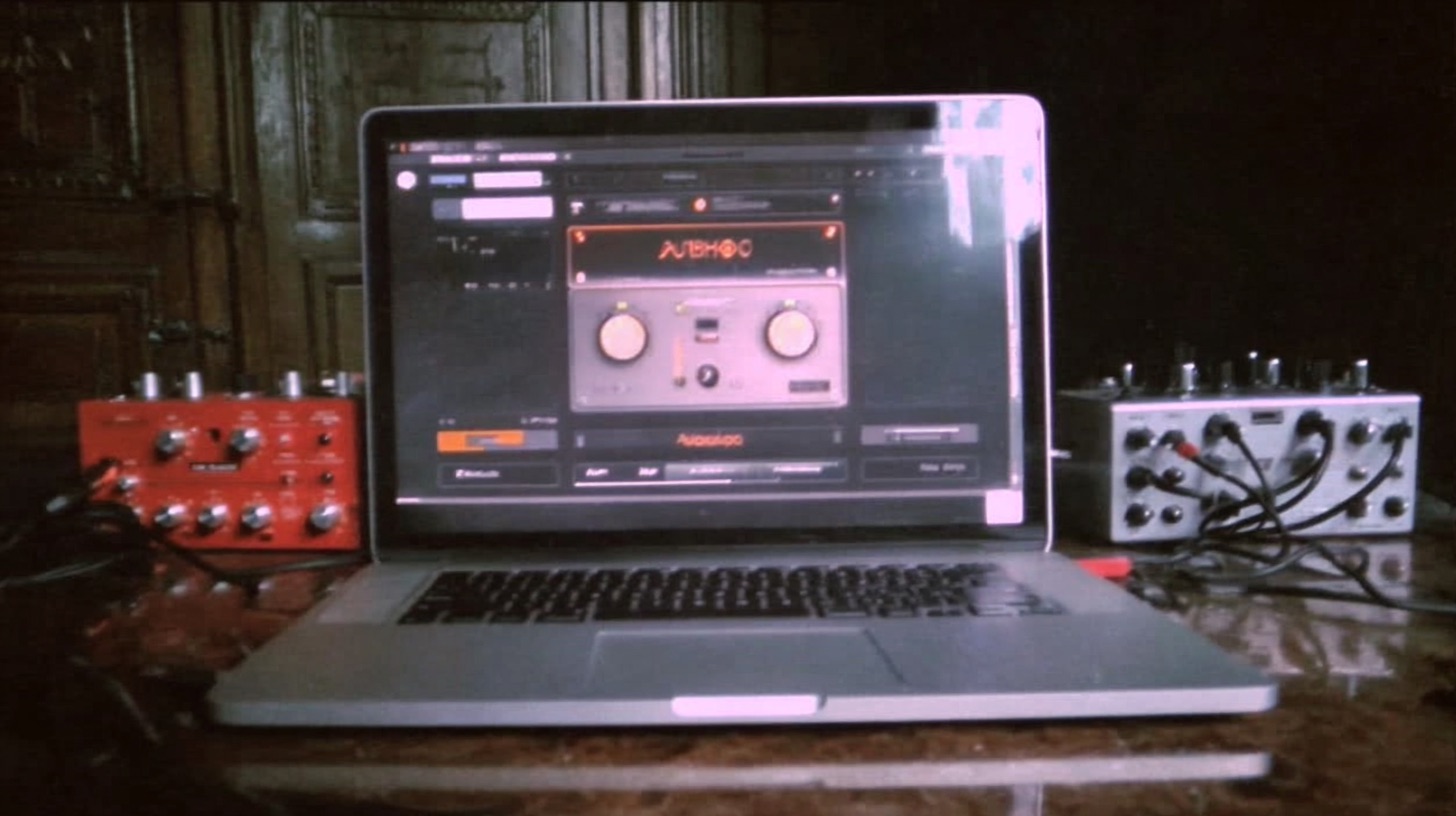
The secret weapon here is the Empirical Labs Fatso. George specifically chose this unit for a reason: its unique compression circuit lets you stack different compression styles one after the other. In this session, he has both the “Bus” and “GP” buttons pushed in. This runs the signal through a really soft, gentle compression and then immediately slams it with a much harder, aggressive compression style, all within the same box.
The result is a whopping 7dB of gain reduction on the electronic percussion. This isn’t just about controlling peaks; it’s about completely reshaping the sound’s envelope and giving it that over-compressed, vintage feel. It’s a perfect example of using compression as a powerful tonal and textural tool.
Shaping the Sound Before the Squeeze
As any great engineer knows, what you feed into a compressor is just as important as the compressor’s settings. To get the Fatso to react just right, George does some critical sound shaping on the electronic elements first.
Taming Transients with Tape Saturation
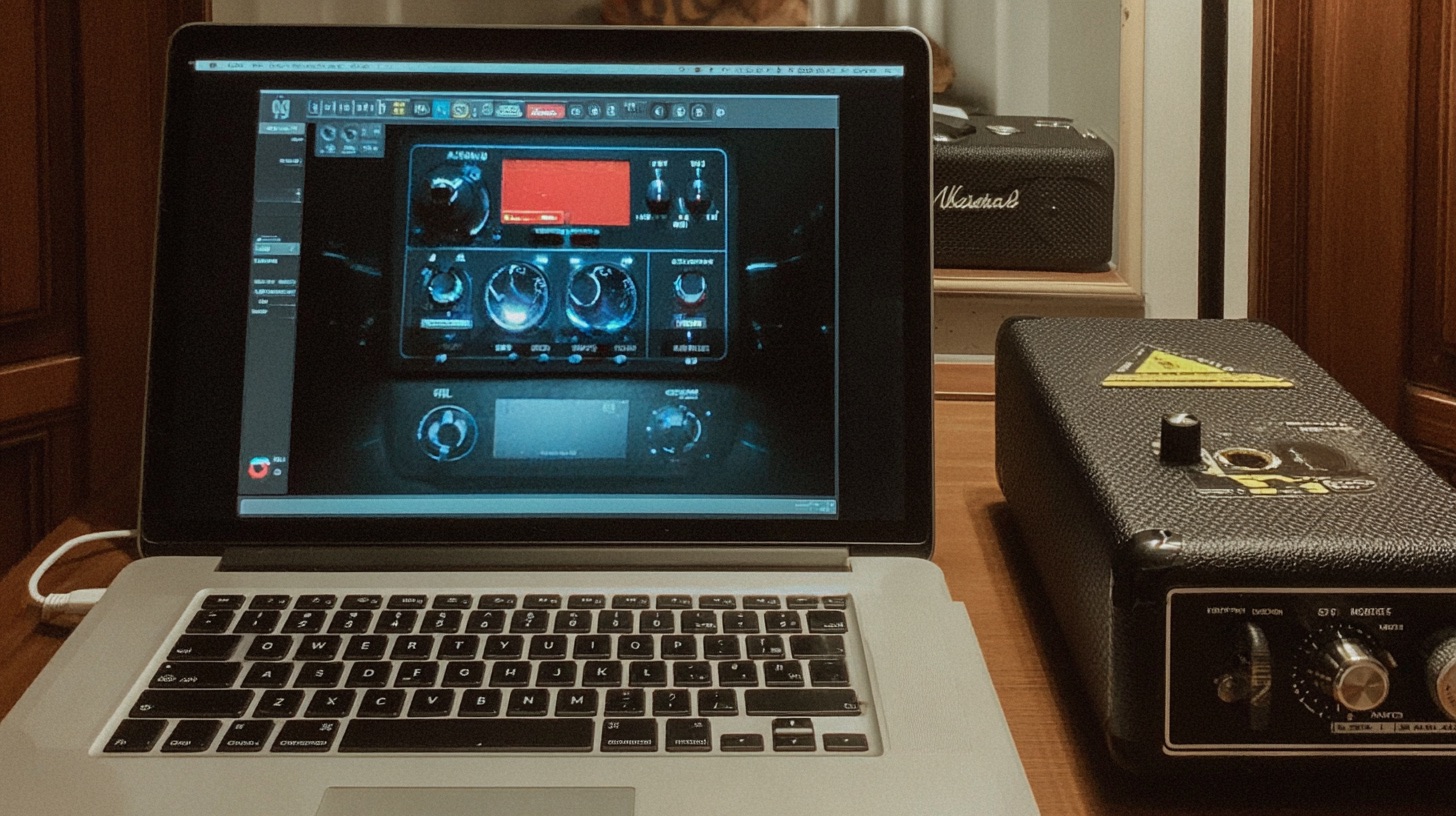
Before the signal even touches the compressor, it runs through a FabFilter Saturn 2. Using the “Warm Tape” setting, George tames the dynamics and adds a layer of saturation. He explains that without this, the electronic sounds are “too dynamic” and “too nice.” The tape saturation glues the elements together, ensures the shape stays consistent, and pre-conditions the signal so the Fatso can work its magic more effectively. It’s that perfect layer of analog-style glue that holds the vibe in place.
Refocusing the Sound with EQ
The raw electronic percussion sounded a bit like a “tennis ball on a school court”—too much high-end “tack” and not enough body. To fix this, George applies a huge EQ curve designed to refocus the energy. He carves away that unpleasant upper attack, which instantly makes the sound feel more vintage and sit better in the mix. This isn’t about subtle tweaks; it’s a bold move to fundamentally change the character of the sound into something that serves the song.
The Stereo Width Trick That Changes Everything
This is the big one. This is the simple, free technique that creates that massive sense of space when the band comes in. It’s a brilliant move that plays with the listener’s perception of width.
Think Mono to Go Super Wide
At the very beginning of the song, on elements like the vinyl scratches, George uses a mid-side EQ. But he’s not boosting or cutting frequencies in a traditional way. Instead, he uses it to manipulate the stereo field.
The Actionable Step
It’s so simple it hurts. On the intro elements, he grabs a mid-side EQ and turns the side channel all the way down. This effectively collapses the sound from stereo into pure mono. All the sonic information is focused dead-center in the mix.
The Payoff
By keeping the intro narrow and mono, you are establishing a sonic “baseline” for the listener. Their ears become accustomed to this focused, centered sound. Then, the moment the first riff hits—with its wide-panned guitars, huge drum overheads, and full-stereo reverb—the effect is explosive. The mix doesn’t just sound wide; it feels like it shatters the boundaries you just established. You’ve defined how wide the mix is for the first few seconds, only to immediately break that rule for maximum impact. It’s a neat, simple, and ridiculously effective trick.
Bringing It All Together (And Leveling Up)
So, to get that massive Thornhill-style impact, you can:
- Use heavy, multi-stage compression to create a vintage, textured vibe on electronic elements.
- Shape your sound before the compressor with tape saturation and bold EQ moves.
- Create a mono intro using mid-side EQ to make your full band entrance feel incredibly wide.
These are pro-level concepts you can apply to your mixes right now, and they’re just as relevant when dialing in other aspects of the band’s sound, like their in-the-box guitar tones. But seeing them in theory is one thing. Imagine watching a world-class producer like George Lever actually implement these ideas live, explaining every fader move, plugin choice, and creative decision.
Thornhill on Nail The Mix
George Lever mixes "Casanova"
Get the Session
That’s what Nail The Mix is all about. Each month, you get the actual multitracks from a massive song and watch the original producer mix it from scratch. You can see exactly how George builds this entire Thornhill mix, from the initial drum sounds to the final master bus processing. If you’re serious about taking your skills to the next level, there’s no better way than learning directly from the pros who are mixing the records you love. You can learn even more about our philosophy in our free course, Unlock Your Sound: Mixing Modern Metal Beyond Presets, or dive right in and get the multitracks to this Thornhill session today.