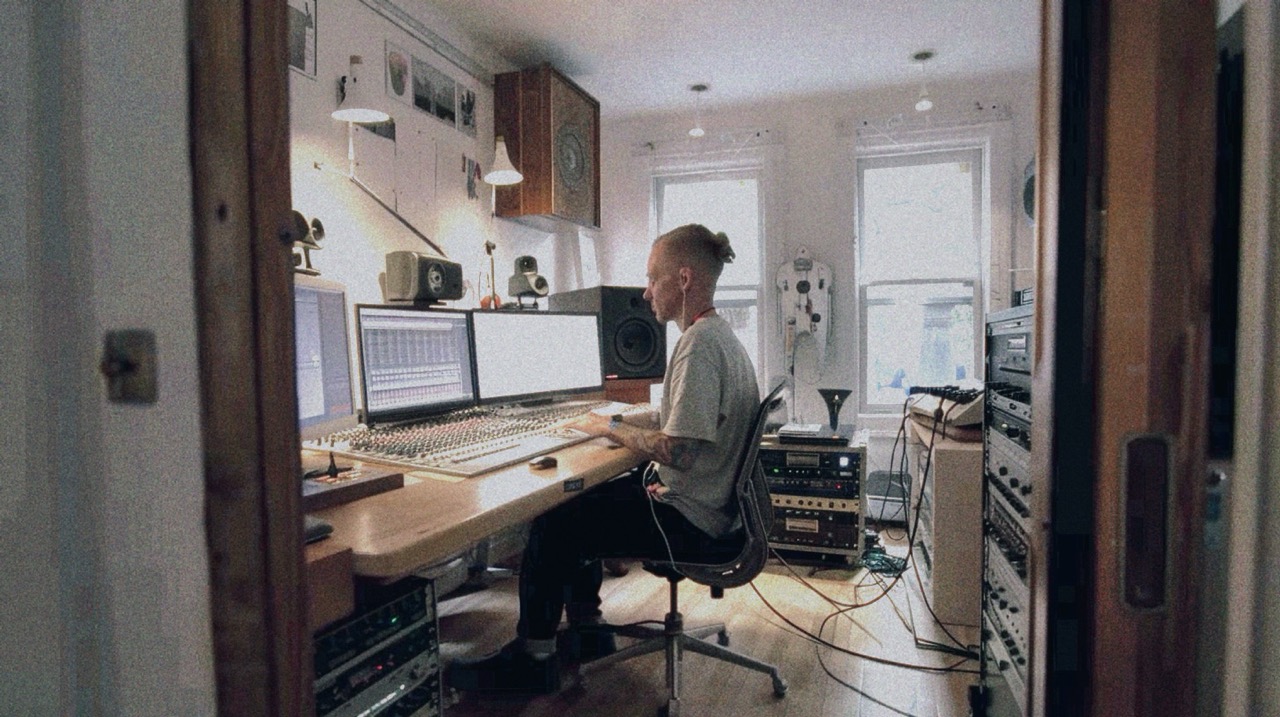
Pro Tools vs Cubase: Which DAW is Best for Metal?
Nail The Mix Staff
The “DAW wars” are one of the dumbest, longest-running arguments on the internet. You’ve seen the threads: endless debates over which software is objectively “the best.” But here’s the reality: if you want to make a killer metal record, you can do it on pretty much any of the major DAWs. They’re all ridiculously capable these days.
However, that doesn’t mean they’re all the same. Each DAW has a different workflow, with unique strengths and weaknesses that can either supercharge your process or constantly get in your way. And since switching your entire production environment is a massive pain, it pays to choose deliberately from the start.
So, let’s cut through the noise and break down the real-world differences between the heavyweights, specifically for metal producers.
The Heavyweights: Pro Tools vs Cubase
In the world of rock and metal, two DAWs have historically dominated the conversation: AVID Pro Tools and Steinberg Cubase. If you plan on working in professional studios or want a rock-solid, audio-first environment, your choice will likely come down to one of these two.
AVID Pro Tools: The Studio Standard
If you walk into just about any major studio in America, you’ll find Pro Tools. It’s been the industry standard for so long that its workflow is deeply ingrained in the professional audio world.

The Strengths
- Audio Editing is King: At its core, Pro Tools was designed to be a digital version of a tape machine and an analog console. Its DNA is all about recording and manipulating audio. For the insane amount of editing that modern metal requires—tightening up a drum performance with Beat Detective, comping a dozen guitar takes into one perfect performance, nudging transients around—Pro Tools is lightning-fast and incredibly precise.
- Collaboration is Seamless: Because it’s the standard, sending a session to a mixer, collaborator, or another studio is usually painless. Everyone has it, and everyone knows it. This is a massive, often overlooked, advantage.
- It’s Rock-Solid: Pro Tools is built for huge sessions with hundreds of audio tracks. It’s a workhorse designed to handle the demands of tracking a full band and mixing a dense, high-track-count metal song without breaking a sweat.

The Weaknesses
- MIDI is Clunky: Want to program some intricate synth parts or build a song around MIDI loops? You can, but it’s not fun. The MIDI editing and workflow feel bolted-on compared to other DAWs that were built with MIDI at their core.
- Creative Workflow Can Feel Rigid: Things that are effortless in other DAWs, like advanced time-stretching, creative sample manipulation, and quick looping of ideas, are often cumbersome in Pro Tools. It’s not a tool that inspires creative, loop-based songwriting in the same way its competitors do.
Steinberg Cubase: The All-Rounder Powerhouse
More common in Europe but rapidly gaining ground everywhere, Cubase has been around since the Atari ST days. It’s a mature, feature-packed DAW that basically does everything well.
The Strengths
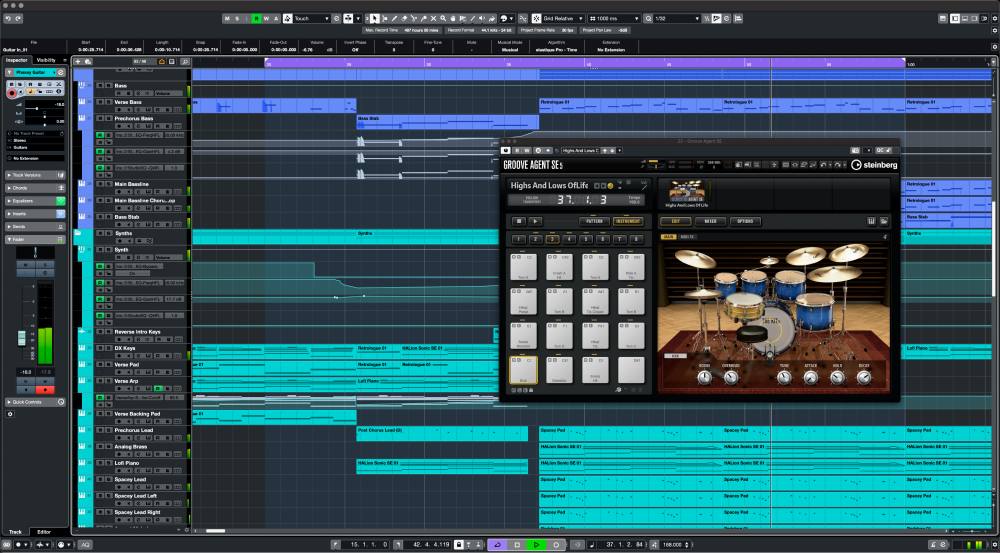
- The Best of Both Worlds: Cubase has powerful audio editing tools that go toe-to-toe with Pro Tools, making it perfect for tracking and editing drums and guitars. But it also has one of the most sophisticated MIDI and virtual instrument environments on the market. You can write with synths and samples, then track a full band in the same project without ever feeling like you’re fighting the software.
- A Legacy of Innovation: Steinberg literally invented the VST plugin format. This history of forward-thinking development means Cubase is packed with innovative features for everything from composing and sound design to mixing.
- Incredibly Flexible: From its highly customizable key commands to its deep feature set for both audio and MIDI, Cubase adapts to your workflow. It doesn’t force you into a single way of doing things.

The Weaknesses
- Can Be Overwhelming: The sheer number of features and menus can be intimidating for new users. While powerful, it can take longer to master compared to more streamlined DAWs.
- Less of a “Studio Standard” (in the US): While massively popular, it’s still not as ubiquitous as Pro Tools in the American commercial studio scene. This is changing, but it’s something to be aware of if you plan on a lot of inter-studio collaboration.
What About the Other Contenders?
While Pro Tools and Cubase are the top dogs for metal, several other excellent DAWs are used by top-tier producers every day.
Apple Logic Pro
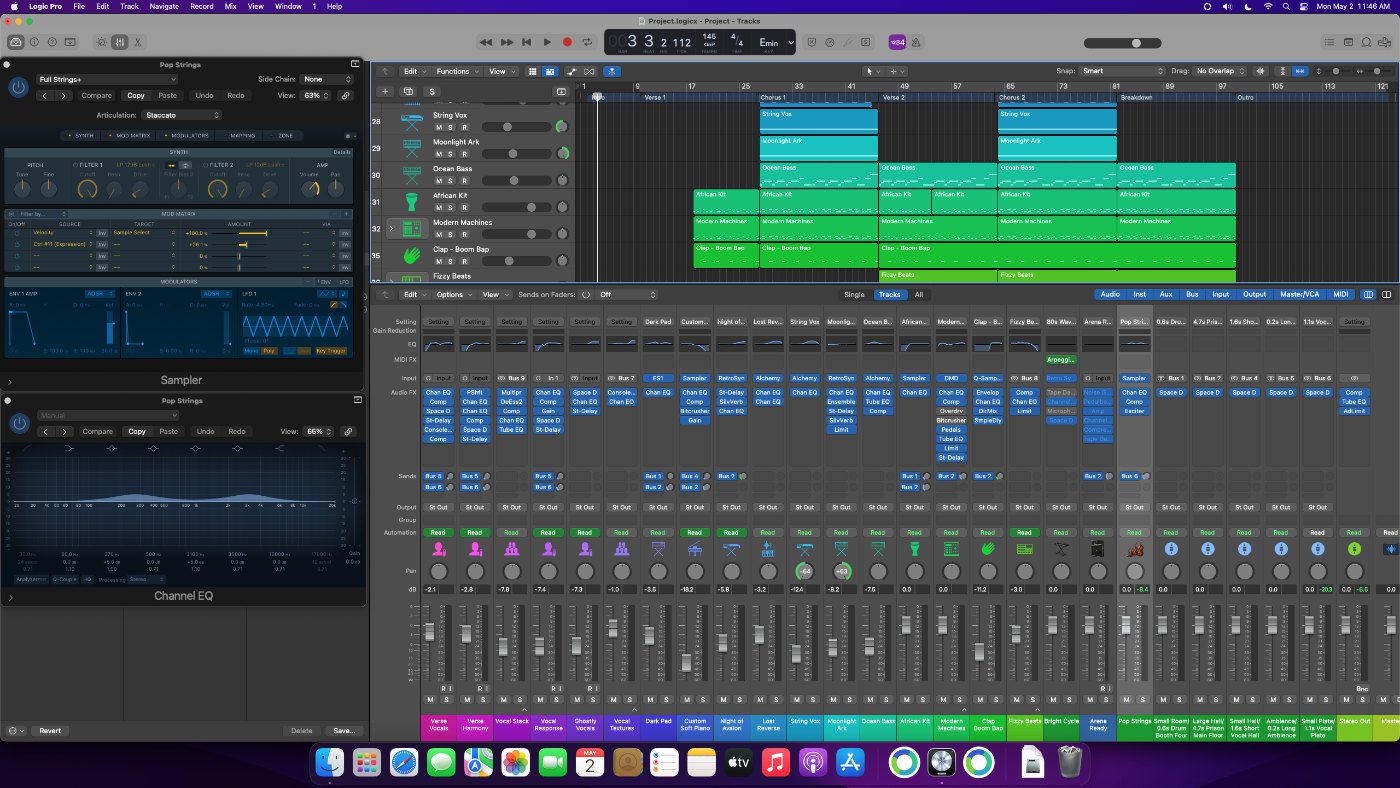
Logic Pro is a fantastic, all-around DAW known for its incredible value and amazing stock plugins and virtual instruments. It’s capable of handling both audio and MIDI with ease. The huge limitation? It’s Mac-only, which is an instant dealbreaker for Windows users or anyone collaborating with them. Its other main drawback for metal is that its audio editing workflow, while functional, isn’t as fast or precise as Pro Tools or Cubase for the kind of surgical drum editing metal often demands.
Reaper
Reaper has become a massive favorite in the home-studio metal scene for good reason. It’s affordable, has a ridiculously generous free trial, and is insanely powerful. Its audio editing capabilities are on par with the big boys, and it’s endlessly customizable with user-made scripts. The downside is its learning curve and lack of a presence in commercial studios. You’ll be on your own and will likely be bouncing stems to collaborate.
Ableton Live & FL Studio
These DAWs are unbelievably popular, but not in the metal world. Ableton Live and FL Studio are kings of electronic music and hip-hop because their workflows are optimized for MIDI, sampling, and loop-based creation. For tracking a full drum kit and quad-tracking guitars, their workflows are just not built for it. It’s technically possible—Andrew Wade mixed the Real Friends record in Ableton—but it’s the exception that proves the rule.
Key Factors for Metal Producers When Choosing a DAW
Beyond the core workflow, here are a few other things to keep in mind.
Pricing and Tiers
Pro Tools and Cubase both offer different versions at different price points (e.g., Cubase Elements vs. Artist vs. Pro). Pay close attention to track limits and included features. You don’t want to buy a cheaper version only to realize it can’t handle the 150+ tracks in your next mix. Some DAWs are also moving to subscriptions, while others are a one-time purchase, so decide which model works for you.
Plugin Support (VST, AU, AAX)
All the major plugin companies (Waves, FabFilter, Slate Digital) support all the major formats. But the world of free and indie VST plugins, especially things like freeware guitar cabinet impulse response loaders, is often Windows VST-only. If you want access to the widest possible range of free tools, a VST-compatible DAW on Windows gives you the most options.
The Real Secret: It’s the Engineer, Not the Gear
The truth is, any of these top-tier DAWs—Pro Tools, Cubase, Logic, or Reaper—can be used to make a world-class, heavy-as-hell metal album. Arguing about which is “best” online is a waste of time you could be spending making music.
The software is just a tool. The real magic comes from knowing how to use it. It’s about understanding the fundamentals of EQing metal guitars for maximum impact, mastering the art of metal compression, and making thousands of small, smart decisions that add up to a killer mix.
Want to see how the pros do it?
Bleed From Within on Nail The Mix
Ermin Hamidovic mixes "A Hope in Hell"
Get the Session
At Nail The Mix, you can watch legendary instructors like Jens Bogren (Opeth, Arch Enemy), Will Putney (Fit For An Autopsy), and Forrester Savell (Karnivool) mix real songs from scratch in their DAWs of choice. You get the raw multitracks from bands like Meshuggah, Gojira, and Periphery to practice on, and you can see every single move the original producer made to get that final sound.
Stop worrying about the tools and start mastering the craft. Check out our full catalog of sessions and see what it takes to create a professional metal mix, regardless of the DAW.