How Fredrik Nordström Mixes Obscura’s Tech Death Rhythm Guitars
Nail The Mix Staff
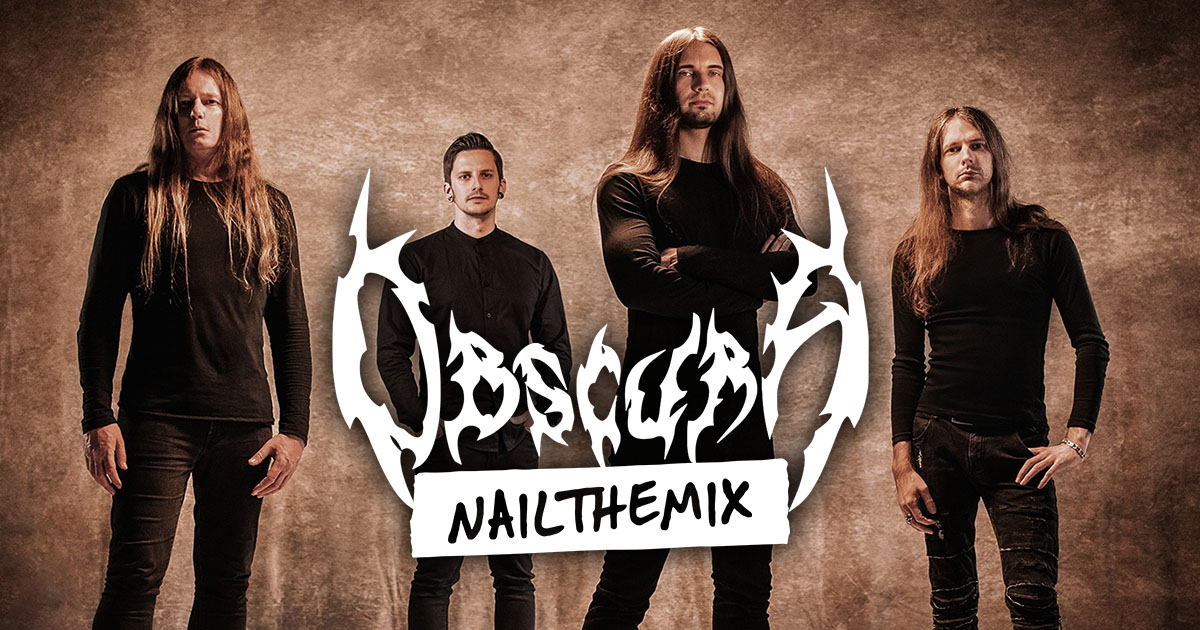
Getting the rhythm section right in a tech death track is everything. The guitars need to be clear, aggressive, and tight, providing a solid foundation without turning into a muddy mess. In a recent session, legendary producer Fredrik Nordström (At The Gates, In Flames, Arch Enemy) sat down and broke down his surprisingly minimal approach to mixing the brutal and complex rhythm guitars for Obscura. Let’s dive into how he gets that iconic sound.
The Foundation: Amp and Gear Choices
Before a single plugin is opened, the source tone is king. For the Obscura sessions, Fredrik’s amp of choice was a brand new, white Engl Savage 120 Mark II. He even mentioned it was the very first one ever made in that color, shipped to him directly for the record.
When it comes to guitars and pickups for this style of metal, Fredrik is a big fan of the classics. He stands by the EMG 81 pickup, calling it a go-to for all kinds of metal. It just works, providing that tight, aggressive attack needed for fast riffing.
For basses, he recommends Warwick or high-end Ibanez models to get what he calls a “tractor bass” tone—where the distortion feels like it’s part of the core bass sound, not just a fizzy layer sitting on top. And for guitars in low tunings, weight matters. Heavier guitars tend to handle down-tuning better, and he even gives a practical tip: a Flying V can be surprisingly comfortable for recording while seated.
Shaping the Sound: Fredrik’s Go-To EQ Chain
Fredrik’s EQ strategy is all about shaping and enhancing, not surgical correction. He uses a series of broad boosts and cuts to mold the guitar tone into its final form. Here’s the breakdown of his approach to guitar EQ.
The Core EQ Moves
On the main guitar bus, Fredrik applies a few key adjustments with a standard EQ plugin:
- 250Hz Boost: He pushes up 250Hz to give the guitars a solid low-mid foundation and “bottom.”
- 400Hz Cut: A gentle 2dB scoop around 400Hz helps clean up potential mud.
- 3kHz Boost: He adds about 3dB around 3kHz for bite and clarity.
- 5kHz Presence Boost: This is a key part of his sound. He adds a significant 5-6dB boost around 5kHz but uses a very wide Q (bandwidth). The goal isn’t to spike a specific frequency but to open up the entire presence range, giving the guitars air and aggression without becoming harsh.
Polishing with Soothe
After adding all that aggressive midrange, things can get a little “nasty,” as Fredrik puts it. To counteract this, he uses the oeksound Soothe plugin. He places it after the main EQ to dynamically tame any harsh resonances that were pushed forward. Think of it as a smart compensator that smooths out the tone he just sculpted, creating a result that’s both aggressive and pleasant to the ear.
Controlling the Low End with Multiband Compression
One of Fredrik’s signature tricks involves controlling the guitar’s low end with multiband compression. He learned this technique back in the ‘90s to deal with the boomy, uncontrolled bass from heavily scooped death metal amps running through Marshall cabinets.
The Settings
- Crossover Point: He sets the crossover at around 200Hz, so the compressor only affects the low frequencies.
- Attack & Release: Both are set to be as fast as possible, essentially turning that band into a limiter.
- Gain Reduction: The effect is subtle. He only aims for about 1-2dB of reduction to gently keep the “chugs” and palm mutes in check without squashing the life out of them.
He runs this on his stereo guitar bus. While you could use a multi-mono setup for potentially wider results, he notes that since it’s only affecting the low end and just barely kissing the signal, the difference is negligible.
Smart Workflow for a Cleaner, Faster Mix
Beyond the plugins, Fredrik shared a couple of crucial workflow philosophies that make a huge difference.
Get It Right at the Source
Fredrik lives by a simple but powerful mantra from a fellow producer: “Why do stuff later when you can do it now?” This means that things like string squeaks, pick scratches, and excessive noise should be dealt with during recording. A tight performance is the best way to get a clean mix, period. Any remaining noise between riffs is simply edited out by hand.
Quick Automation with Clip Gain
When it’s time for a guitar solo, the rhythm guitars need to make space. Instead of writing complex fader automation, Fredrik uses a simple, fast trick: he uses clip gain in Pro Tools to lower the volume of the rhythm guitar tracks just for the duration of the solo. It’s a visual and incredibly efficient way to create focus and let the lead part shine—a necessary move, as he jokes that nearly every guitarist in history wants their solo to be louder.
See It All in Action
These are the exact principles and techniques Fredrik Nordström used to craft the colossal guitar tones on Obscura’s album. While reading about the settings is a great start, there’s nothing like seeing a master at work.
Obscura on Nail The Mix
Fredrik Nordström mixes "When Stars Collide"
Get the Session
In his full Nail The Mix session, you can watch Fredrik build the entire mix for Obscura’s “The Neuromancer” from scratch. You get the raw multitracks to practice on yourself and can see exactly how he applies these EQ, compression, and workflow tricks in real-time. If you’re ready to move beyond presets and tutorials, this is your chance to learn directly from the producer who defined the sound of modern metal.
Check out the Obscura session with Fredrik Nordström and see how these powerful, minimal techniques come together to create a world-class tech death mix.