
The Best Free Limiter Plugins For Heavy Mixes
Nail The Mix Staff
Getting your final mix to be loud, punchy, and competitive without turning into a distorted mess is the final boss of music production. You’ve balanced your tracks, carved your EQs, and glued everything together with compression. Now you need that final stage of polish and power on your master bus. This is where a limiter comes in.
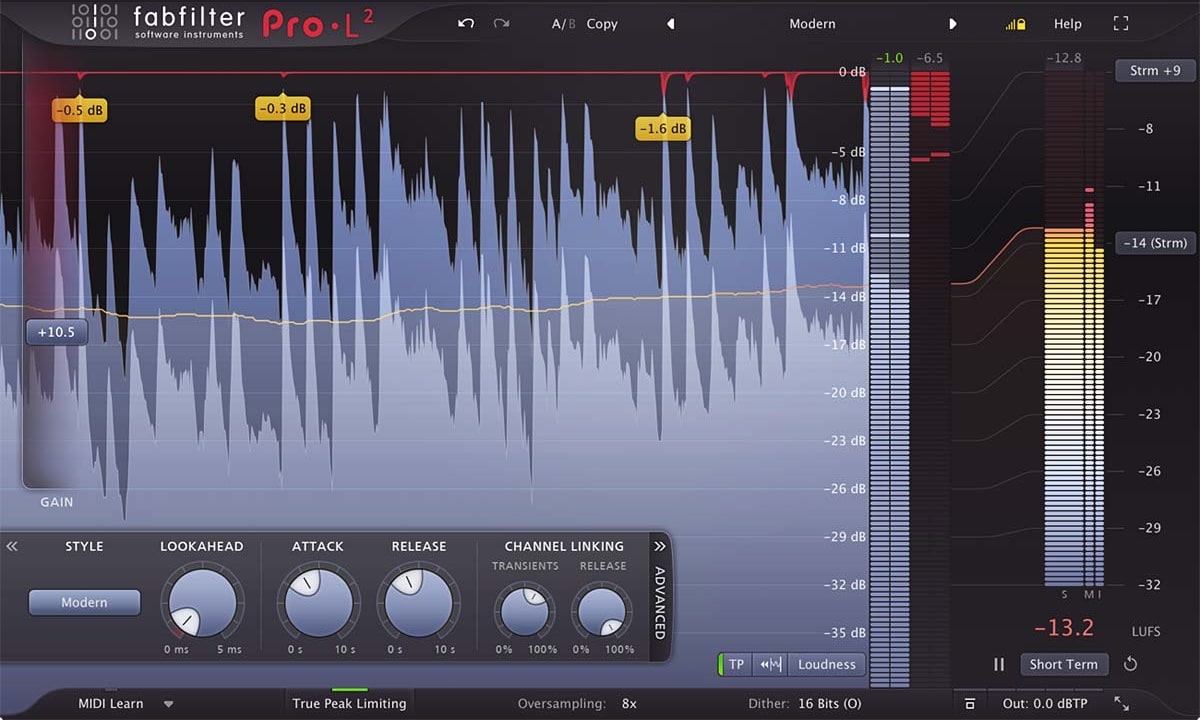
While there are premium options like the FabFilter Pro-L 2 or iZotope Ozone that many pros swear by, you absolutely do not need to drop hundreds of dollars to get a killer-sounding master. The truth is, some of the best free limiter VSTs out there can get you 99% of the way there, especially if your mix is solid to begin with.
The real difference-maker isn’t the price tag on the plugin; it’s knowing how to use it. A skilled engineer can make a stock limiter sing, while an amateur can make the most expensive one sound like garbage. It’s all about the decisions you make.
So let’s dive into some of the best free limiter VSTs out there and talk about how to use them to get your metal and rock tracks crushing the competition.
What to Look for in a Limiter for Metal
Before we get to the list, what exactly makes a limiter great for heavy music? For the most part, we want transparency. The goal is to increase the loudness without audibly squashing the dynamics or introducing nasty digital distortion.
Here’s the hit list:
- True Peak Limiting: Prevents inter-sample peaks that can cause clipping on some playback systems, even if your DAW meter says you’re below 0dBFS. This is a must-have.
- Clean Gain: The ability to push the level without coloring the sound… unless you want it to.
- Low CPU Usage: A heavy limiter can tax your system, so an efficient one is always a plus.
- Good Metering: Clear visual feedback on how much gain reduction you’re applying is crucial.
Our Top Picks for Free Limiter Plugins
LoudMax by Thomas Mundt
If you want a no-nonsense, incredibly transparent limiter, LoudMax should be the first one you download. It’s been a secret weapon in the free plugin world for years because it does one thing and does it exceptionally well: make things loud without artifacts.
Why It Rocks for Metal
The beauty of LoudMax is its simplicity. It has two main controls: a Threshold slider and an Output ceiling slider. That’s it. This design forces you to listen and not get bogged down by a million parameters. It’s designed for maximum transparency, meaning it preserves the original character of your mix, which is perfect when you’ve spent hours dialing in your guitar tones and drum sounds.
How to Use It
- Set Your Ceiling: Start by pulling the “Out” fader down to -0.3dB or -1.0dB. This gives you a safe ceiling and prevents any potential true-peak clipping issues.
- Push the Threshold: Grab the “Thresh” fader and start pulling it down. This lowers the threshold, and you’ll see the gain reduction meter start to move.
- Listen Carefully: For a modern metal master, aim for around 2-4dB of gain reduction on the loudest parts of your song (like a heavy chorus or a blast beat section). The key is to listen for any pumping or loss of punch in your drums, particularly the snare. If the transients start to sound soft or smeared, you’ve gone too far. Back it off.
Limiter №6 by VladG Sound
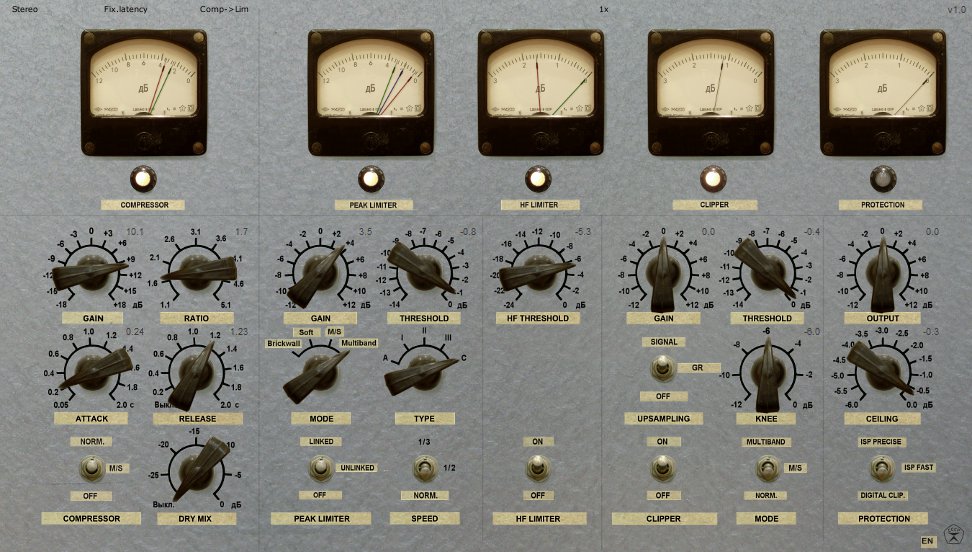
On the complete opposite end of the spectrum from LoudMax is the legendary Limiter №6. This thing is a beast. It’s not just a limiter; it’s a modular mastering suite containing five different dynamics modules: a compressor, a peak limiter, a high-frequency limiter, a clipper, and a final true peak limiter.
Why It Rocks for Metal
This plugin is for the tweakers. If you find your mix is getting harsh when you push it, the HF Limiter can tame that high-end fizz without affecting the rest of the spectrum. The clipper section is fantastic for shaving off the very tips of your transients before they hit the final limiter, allowing you to get more perceived loudness without as much gain reduction. It’s a tool that can intimidate you at first, but if you’re willing to learn it, the control you get is unparalleled in the freeware world.
How to Use It
- Start Simple: Don’t turn everything on at once. Start by disabling all modules except the final “ISP Limiter” at the end of the chain. Use it like you would LoudMax.
- Shave the Peaks: Now, enable the “Clipper” module before the final limiter. Set the mode to brickwall and slowly lower the threshold. You’ll see it start to shave off just the very highest peaks. This can add a touch of aggressive saturation and lets the final limiter work less hard.
- Tame the Fizz: If your cymbals or distorted guitars get harsh as you push the level, engage the “HF Limiter.” Set the frequency around 5-7kHz and apply just a tiny bit of limiting to catch those harsh peaks.
Frontier by D16 Group
Sometimes, you don’t want pure transparency. Sometimes you want a limiter that adds a bit of grit, color, and aggressive character. That’s where Frontier by D16 Group comes in. It’s a self-adaptive versatile limiter that can go from gentle and clean to an absolute sonic wrecking ball.
Why It Rocks for Metal
Frontier is awesome not just for the master bus, but for individual busses. Want to make your drum bus feel more aggressive and glued together? Slap Frontier on it. Want to control the dynamics of a vocal bus while adding a bit of saturation? Frontier is your friend. This versatility makes it more than just a mastering tool; it’s a creative dynamics shaper.
How to Use It
- Set the Output: Pull down the Output Volume to avoid clipping as you drive the input.
- Drive the Threshold: Slowly push the Threshold control. Unlike a clean limiter, you’ll hear Frontier start to add harmonic content and attitude as it works. This is its “character.”
- Use the Soft Clip: Engage the Soft Clip switch. This is the magic button for adding that warm, analog-style saturation and taming unruly transients before the limiting stage. It’s perfect for making a sterile drum sample library sound more lively and aggressive.
Beyond Just Slapping It on the Master Bus
Having a great free limiter is awesome, but it’s the last 5% of the process. If your mix isn’t already 95% of the way there, no limiter in the world—free or paid—will save it.
Skills vs. Tools: The Limiter Edition
We see it all the time. People get hung up on which exact plugin a top-tier mixer is using, thinking it’s a magic bullet. But the reality is that mixers like the ones who teach for Nail The Mix get amazing results because their mixes are fundamentally sound. Their gain staging is perfect, their EQs are precise, and their compression is on point.
A limiter can’t fix a muddy low-end or harsh cymbals. That work has to be done on the individual tracks first. Mastering the fundamentals of EQing metal guitars and understanding the secrets of metal compression is what truly makes a mix loud and clear. The limiter is just there to bring the overall level up.
The Dangers of Latency
One thing to be mindful of, especially with complex limiters like Limiter №6, is latency. All plugins take a tiny amount of time to process audio, and limiters that use “lookahead” (where they analyze the audio a few milliseconds before it happens) can introduce significant delay.
On the master bus, this is usually fine because your DAW’s delay compensation will handle it. But if you try to use a high-latency limiter on a parallel track—say, a parallel drum bus—you can run into serious phase problems. The processed track will be out of time with the original, creating a weird, filtered sound. This is why it’s crucial to stick to low-latency tools for parallel processing or be prepared to manually compensate for the delay.
Want To See How The Pros Do It?
Reading about techniques is one thing, but seeing them applied in a real-world session is a game-changer. It’s one thing to know you should aim for 3dB of gain reduction, but it’s another to watch a producer like Jens Bogren or Will Putney dial in their master bus chain and hear exactly why they make the choices they do.
Polaris on Nail The Mix
Lance Prenc mixes "Dissipate"
Get the Session
That’s what Nail The Mix is all about. You get the actual multi-tracks from bands like Gojira, Lamb of God, and Periphery, and then you get to sit in on a full-day livestream and watch the original producer mix the song from scratch, explaining every single move. You’ll see which limiters they reach for, how they set them, and most importantly, how they get the mix ready for that final stage.
If you’re ready to see how these techniques come together to create a professional, release-ready master, check out our full catalog of Nail The Mix sessions. It’s the ultimate deep dive into the art of metal production.