Unboxing Emmure “Flag Of The Beast” raw multi-tracks
Nail The Mix Staff
Let’s cut to the chase: Emmure’s sound is pure, unfiltered aggression. It’s dense, it’s heavy, and it hits like a sledgehammer. But have you ever wondered what’s under the hood? What do the raw, unmixed tracks for a song like “Flag of the Beast” actually sound like?
We’re about to pull back the curtain. We dove into the raw multi-tracks from the “Flag of the Beast” session, originally mixed by the legendary Wzrd Bld and engineered by Jeff Dunn. What we found was a masterclass in building a modern metal track from the ground up, with key lessons in drum programming, guitar tone, and intricate production layering. These aren’t just raw files; they’re the DNA of a truly massive song.
If you want to see exactly how these raw tracks are transformed into a finished mix, you can see Wzrd Bld himself break it all down in the exclusive Emmure session on Nail The Mix. For now, let’s get into the raw ingredients.
Building a Beastly Drum Foundation (Without Mics)
The first thing you notice about these tracks is the drums. While Emmure has the monstrous Mark Castillo behind the kit—a guy who literally hits hard enough to snap solid metal cymbal stands in half—this track was built on a foundation of programmed drums, likely for time considerations during the album process.
But don’t let the word “programmed” fool you. These are not your average, lifeless MIDI drums.
The Secret to Killer Programmed Drums
This session is a textbook example of how to make programmed drums sound massive and alive. The key isn’t the samples themselves, but the humanization and detail. Likely programmed by guitarist Josh Travis, a phenomenal musician in his own right, these drums feel real because they’re written to be playable. All the intricate dynamics, ghost notes, and subtle velocity changes are there.
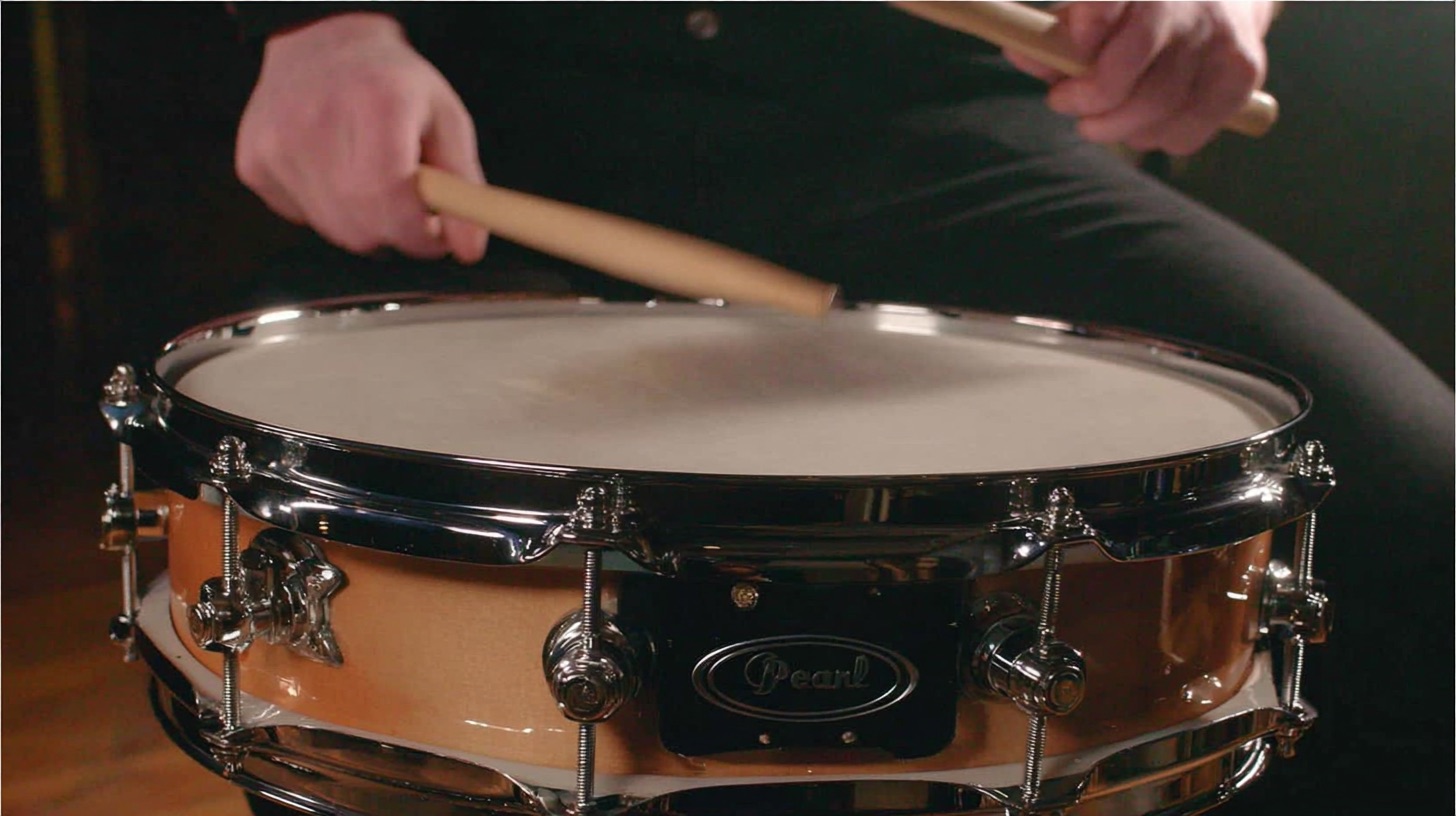
The military-style snare rolls alone are a testament to the level of detail. Getting programmed marching patterns to sound powerful instead of robotic takes an incredible amount of skill with velocity editing and timing nuances. It’s proof that with enough attention to detail, you can make MIDI drums groove with genuine feel.
Deconstructing the Drum Tracks
The session layout is also revealing. Instead of a standard stereo overhead track, every single cymbal element has its own track: Crashes, Chinas, Hats, and Rides are all separated. This gives the mixer ultimate control but also means you have to build the “kit” yourself.
This is where the room mics become absolutely essential. The session includes tracks like “Brooms” (a main room sound) and “Shells far” (distant room for the kit shells). Blending these room tracks with the close mics and the separated cymbal tracks is the only way to create a cohesive, breathing drum sound. It’s a powerful technique for achieving both clarity and space.
The Core of the Aggression: Guitars and Bass
While the drums are the skeleton, the guitar and bass tones are the muscle. This is where Emmure’s signature power truly comes from, and it starts with the phenomenal playing of Josh Travis.
Josh Travis’s Legendary Guitar Tone & Technique
Friends of the band have long described Josh Travis as a monster on guitar, armed with a massively aggressive tone that no one could quite figure out. Hearing his raw, unedited DI tracks reveals why. The performance is brutally percussive and insanely tight. And the story goes that he tracked the guitars for the entire album in just a few hours, nailing most of it in a single take.
You might hear the riffs and think, “It’s just open notes, what’s the big deal?” But like trying to replicate Dimebag’s “Walk” or Angus Young’s “Back in Black,” the magic isn’t in the notes—it’s in the execution. To play with this level of rhythmic precision, power, and percussive attack is a skill very few guitarists possess. Capturing that energy on the way in is crucial for powerful mixes.
A “Dirty” DI Bass That Just Works
Adding to the foundation, the bass DI—also likely tracked by Josh Travis—comes in hot. There’s a noticeable amount of grit and clipping on the raw track. For some genres, this would be a problem. For Emmure? It’s a feature.
This isn’t clean, polite bass. It’s aggressive and adds an immediate layer of harmonic saturation that helps it cut through and fuse with the distorted guitars. You’re going to saturate the bass in the mix anyway, right? Starting with a DI that already has that aggressive character baked in is a huge head start. It perfectly complements the drums and provides a gut-punching low-end that is all about power.
The Production Icing: Vocals, Synths, and Samples
Beyond the core instruments, “Flag of the Beast” is full of intricate production layers that elevate it from a simple heavy track to something more atmospheric and modern.
Ear Candy and Creative Layering
Throughout the song, there’s a subtle but constant “Ticks” track. It’s a simple percussive sound that adds a layer of rhythmic motion, keeping the energy high even in sparser sections. It’s a perfect example of “ear candy” that adds professional polish.
The most interesting trick is the synth layering. In one section, a saw lead synth is blended perfectly with a guitar lead. When played together, the sound is transformed. It’s no longer just a “guitar” or a “synth”; it’s a unique, ethereal, and spooky texture that makes the part instantly memorable. Finding space for these elements in a dense mix is where your skills truly shine.
Alongside these elements are all sorts of samples, from what sounds like movie dialogue to percussive hits and bass drops, all woven together to create a rich sonic tapestry.
Putting It All Together: The Emmure Formula
Breaking down these raw tracks reveals that the power of “Flag of the Beast” comes from a combination of:
- Intelligent Drum Programming: Creating a realistic, dynamic, and powerful foundation.
- Flawless Performance: Brutally tight and percussive guitar and bass playing captured perfectly at the source.
- Creative Production: Intricate layers of synths, samples, and ear candy that add a modern, atmospheric edge.
Emmure on Nail The Mix
WZRD BLD & Jeff Dunne mixes "Flag Of The Beast"
Get the Session
This entire session, originally created in Cubase, is an absolute goldmine for producers, especially those who want to see how to execute hyper-detailed programming and layering.
Of course, knowing the ingredients is only half the battle. Seeing how a master like Wzrd Bld actually mixes these brutally raw elements—how he EQs the guitars, compresses the drums, and makes the vocals and synths sit perfectly in the chaos—is where the real magic happens. If you’re serious about production, get your hands dirty and learn the pro techniques.
To watch the entire 8-hour mixing session and download these multi-tracks for yourself, check out the Emmure “Flag of the Beast” course exclusively on Nail The Mix. It’s your chance to learn directly from the pros who crafted the sound. Happy mixing