Decoding the Best Nu Metal Mixes: A Producer’s Guide
Nail The Mix Staff
Nu metal is back in a big way, and its DNA is all over modern metal. That signature bounce, the aggressive-yet-catchy vocals, and that massive low-end have influenced everyone from Spiritbox to Bring Me The Horizon. But let’s be honest, while we love the classics, production standards have skyrocketed. That raw, sometimes questionable mix from a 2001 demo wouldn’t fly today.
The modern metal audience expects polish, punch, and clarity, even with the most chaotic arrangement. The good news? The tools we have now make it easier than ever to capture that classic nu metal vibe but with the pristine, powerful sound of a modern production.
So, how did producers on iconic albums by Korn, Deftones, and Slipknot get those sounds? And more importantly, how can you do it in your own projects? Let’s break down the key elements that define the best nu metal mixes and how you can get them in your DAW.
The Foundation: Groovy, Punchy Drums
Nu metal is all about the groove. The drums need to be tight and impactful, but they also need to have a certain pocket and swagger. It’s less about inhuman blast beats and more about a deep, undeniable bounce that makes you want to move.
The Signature ‘Pop’ Snare
Listen to a track like Limp Bizkit’s “Break Stuff” or Korn’s “Freak on a Leash.” The snare is the centerpiece. It’s fat, it has a ton of body, but it also has a sharp ‘pop’ that cuts through the dense, low-tuned guitars.
How to get the sound:
This is a prime candidate for sample blending. Start with a solid acoustic snare recording or a high-quality sample from a library like GetGoodDrums. Then, blend it with a secondary sample to add character.
- Primary Snare: Your main sample should provide the body and crack. Think of a deep-shelled brass or maple snare.
- Blend Sample: This is where you get the ‘pop’. Find a sample with a sharp transient and a lot of high-mid energy (around 1kHz – 4kHz). Electronic snare samples, or even heavily processed acoustic ones, work wonders here. Use a tool like Slate Trigger 2 or just manually align the sample underneath your primary snare track.
- Processing: Send both snares to a bus and use parallel compression to add even more smack. Crush one signal with a fast, aggressive compressor like an 1176-style plugin, then blend that crushed signal back in with the dry one.
Kicking Through the Wall of Guitars
The kick drum in nu metal often has a very specific, almost dry and ‘ticky’ sound. It’s not about huge, boomy sub-bass; it’s about a percussive, beater-driven attack that can be felt even when the 7-string guitars are chugging.
How to get the sound:
- EQ: Use a parametric EQ to boost the attack. Look for the “beater click” frequency, usually somewhere between 2kHz and 5kHz. A healthy boost here will help it slice through the mix. Don’t be afraid to cut some of the boxy low-mids (250-400Hz) to prevent muddiness.
- Sidechain Compression: This is a non-negotiable. The kick and the bass guitar are fighting for the same space. Set up a compressor on your bass track and use the kick drum as the sidechain input. Every time the kick hits, the bass will duck in volume for a few milliseconds, creating a clean pocket for the kick’s transient. Check out our in-depth guides on how to use metal compression for more on this.
Low-Tuned Guitars Without the Mud
Nu metal helped popularize 7-string guitars and drop tunings, setting the stage for the ultra-low tunings common in modern metal. Getting that massive low-end chug without turning your mix into a muddy swamp is the core challenge.
The EQ Strategy for Heavy Guitars
When you’re dealing with guitars tuned to A or B, the low-end buildup is intense. The classic “scooped mids” approach is a starting point, but it needs to be done with surgical precision.
How to get the sound:
- High-Pass Everything: This is the most important move. Put a high-pass filter (HPF) on your guitar tracks and cut everything below 80-120Hz. It might feel wrong to cut that low-end, but trust us, that frequency range is for the bass guitar and kick. The guitar’s power comes from the low-mids, not the sub-bass.
- Find Your Core Tone: Instead of a massive scoop, find the “nasal” or “honky” frequencies (often 400-800Hz) and make a more targeted, narrow cut. Then, look for the aggressive “bite” of the guitar, usually somewhere in the 1.5kHz-4kHz range, and consider a slight boost.
- Tame the Fizz: That top-end “fizz” can make digital amps sound cheap. Use a low-pass filter (LPF) to gently roll off the extreme highs, starting around 8-10kHz. This cleans up the tone without making it sound dull. For a deep dive into this, check out our guide on EQing modern metal guitars.
Amp Sims that Nail the Vibe
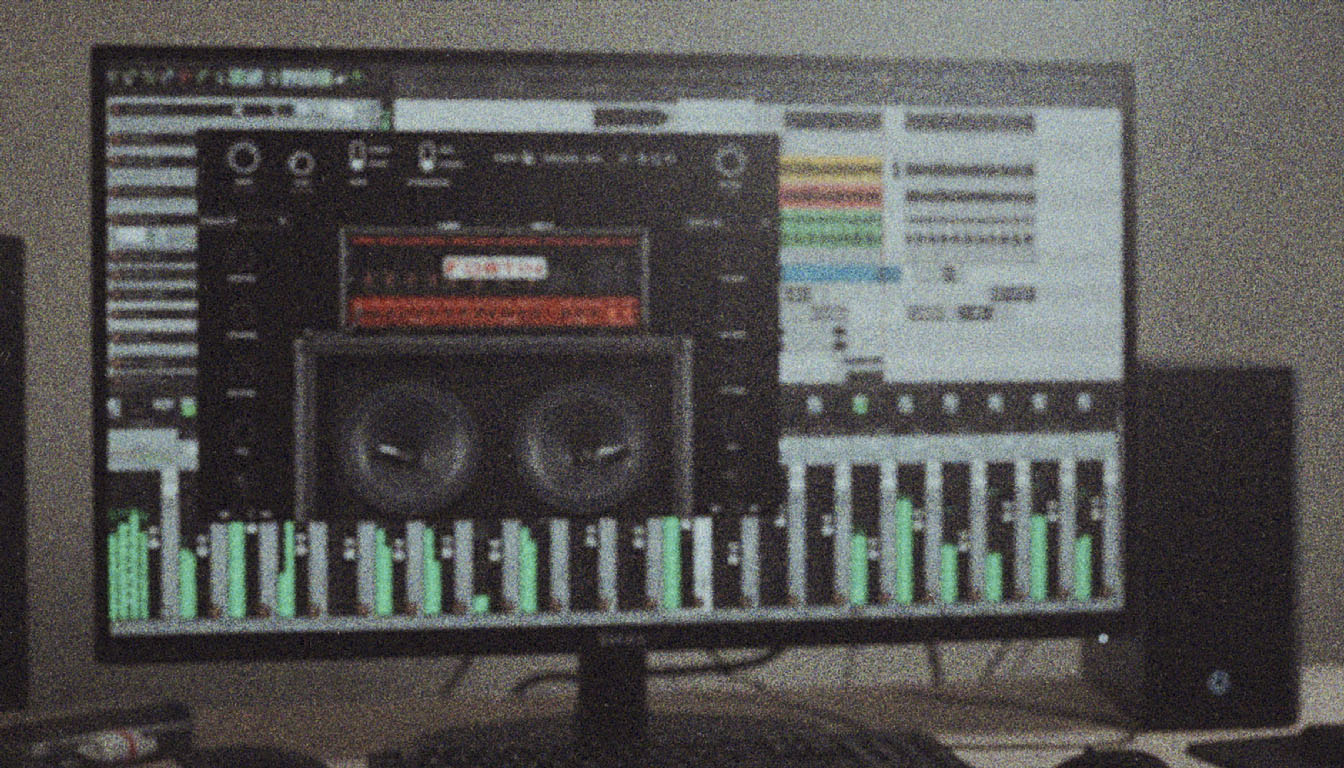
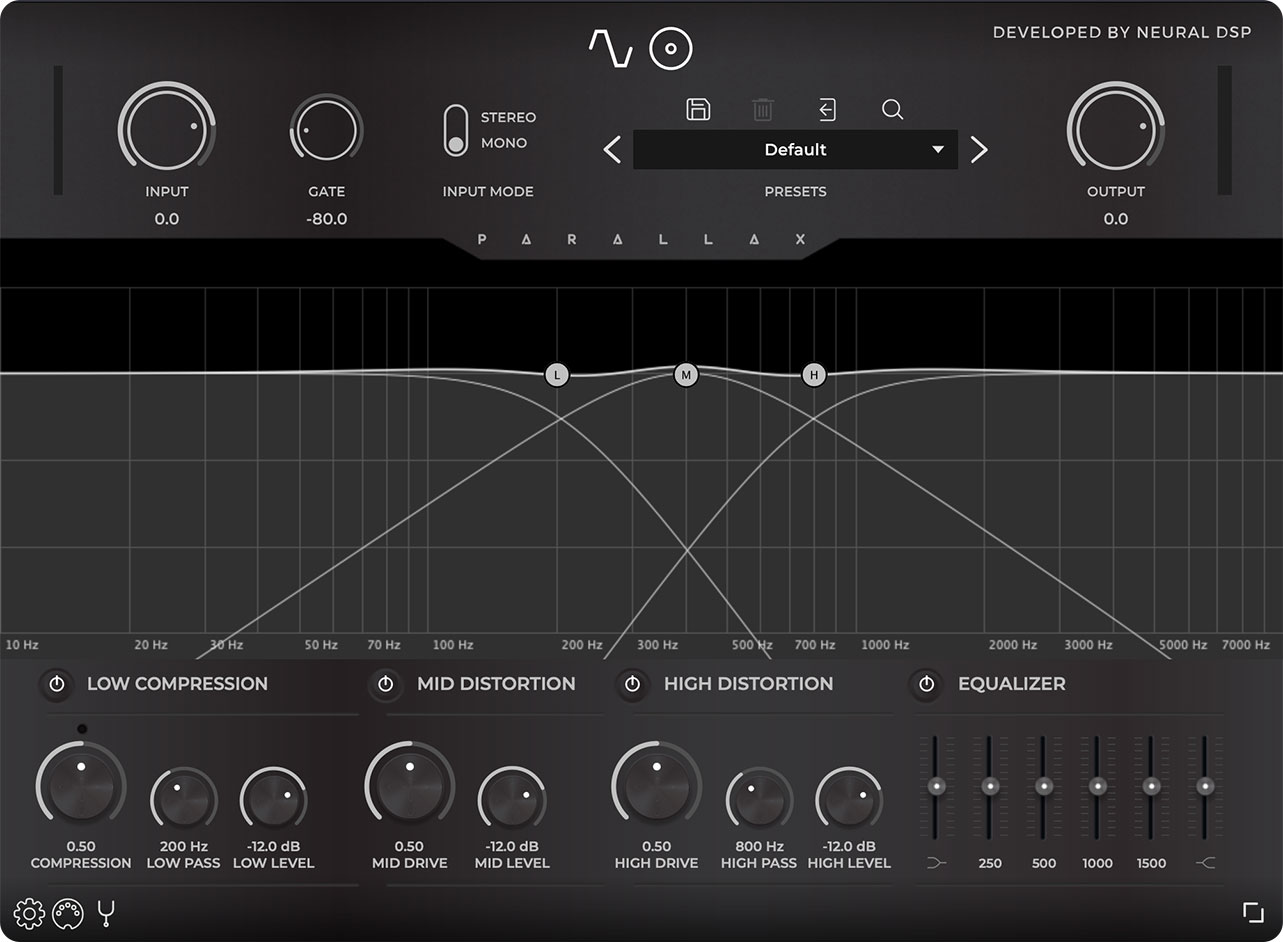
The classic nu metal amps were Mesa/Boogie Triple Rectifiers and Peavey 5150s. Today, you can get those tones and more right in your DAW. Plugins from Neural DSP are king here. The Archetype: Gojira is perfect for that tight, scooped, modern metal sound, while something like the Fortin Nameless Suite can give you that raw, aggressive chunk.
The Bass: Mid-Range Grind, Not Just Low-End Rumble
In a nu metal mix, the bass guitar often has a clanky, distorted, and highly audible character. It’s not just a low-end foundation; it’s an instrument with its own voice. Think of the iconic bass tones from Fieldy of Korn or Chi Cheng of Deftones.
How to get the sound:
Parallel processing is your best friend.
- Duplicate your DI bass track. Label one “Bass Low” and the other “Bass Grit.”
- On the “Bass Low” track, use an EQ to filter out everything above ~250Hz. Compress it heavily to create a solid, consistent low-end foundation. An LA-2A style compressor works great here.
- On the “Bass Grit” track, filter out everything below ~250Hz. Now, run this track through a heavy distortion or amp sim plugin. The SansAmp is a classic choice, but modern plugins like FabFilter Saturn 2 or Soundtoys Decapitator are amazing for this.
- Blend to taste. Mix the “Grit” track in with the “Low” track until the bass cuts through the mix without overwhelming it.
Vocals and Effects: The “X-Factor”
Nu metal vocals run the gamut from whispered verses to rapped flows and full-on screams. This is where you can get really creative with effects to add personality and vibe.
Iconic Effects for a Modern Mix
Many of the signature sounds on classic records came from creative use of pedals and studio gear.
- Pitch Shifters: The DigiTech Whammy was everywhere. Use it for those iconic octave-up screams or subtle detuned harmonies. You can replicate this with plugins like Soundtoys MicroShift for a wide, detuned sound or a dedicated pitch-shifting plugin for more extreme effects.
- Phasers & Flangers: A slow, sweeping phaser or flanger on a clean guitar part is pure nu metal. The clean intro to Deftones’ “My Own Summer (Shove It)” is a perfect example. Most DAWs come with a stock flanger that can get the job done.
- Vocal Delays: Use short, rhythmic delays on vocal phrases to add bounce and energy. Set a simple quarter-note or eighth-note delay, and use automation to turn it on and off for specific words or phrases to make them pop.
Learning From the Producers Who Made the Sound
Reading about these techniques is one thing, but seeing them being applied in real-time by the producers who shaped the sound of modern metal is a total game-changer.
Imagine watching pros like Joey Sturgis (Of Mice & Men), Will Putney (Knocked Loose, Every Time I Die), or Beau Burchell (Saosin) build a mix from scratch, explaining every EQ move, compression setting, and creative effect decision. That’s exactly what you get with Nail The Mix.
Thornhill on Nail The Mix
George Lever mixes "Casanova"
Get the Session
Every month, you get the raw multitracks from a massive song and watch one of our world-class instructors mix it live. You’ll see exactly how they tackle muddy guitars, punch up drums, and make vocals sit perfectly in a dense mix. If you want to take your nu metal and modern metal productions to a professional level, check out our full catalog of NTM sessions and see how the best in the business do it.