De-essing FAQs: Taming Harsh Frequencies in Modern Metal
Nail The Mix Staff
Modern metal production is a high-stakes game. The bar for a polished, professional sound is higher than ever, even for a local band's demo. With everything louder, lower, and more dense than ever before, controlling harsh high-end frequencies is non-negotiable. That nasty sizzle on the cymbals, the piercing "sss" from a screaming vocalist, or the digital fizz on a quad-tracked guitar tone can instantly make your mix sound amateur.
This is where de-essing comes in. It’s one of those essential tools that separates a raw, grating mix from a powerful, polished one. Got questions about taming that top-end? Here are the de-essing FAQs every metal producer needs to know.
What the heck is de-essing, anyway?
Think of a de-esser as a super-smart, frequency-specific compressor. Its only job is to listen for a very narrow, specific range of frequencies (usually in the upper-mids and highs) and turn them down only when they get too loud.
In vocals, this is most famously used to control sibilance—the sharp "sss," "shh," and "t" sounds that can jump out of a mix and feel like an ice pick to the ear.
But in metal, its use goes way beyond that. It’s your secret weapon for taming the chaotic energy of the high-frequency spectrum, ensuring your mix hits hard without being painful to listen to. The goal isn't to eliminate these sounds, but to control them so they sit perfectly in the track.
Why is de-essing so critical for modern metal mixes?
The demands of modern metal production have made de-essing more crucial than ever. The genre has evolved, and the production techniques have to keep up.
-
The Wall of High-End: Modern metal is saturated with high-frequency information. Think about it: you have sample-replaced kick drums with a sharp, clicky attack, bright cymbals from libraries like GetGood Drums, layers of fizzy, high-gain guitars, and aggressive vocals. All that energy fighting for space can quickly turn into a harsh, digital mess. A de-esser helps you carve out space and control the chaos.
-
Low Tunings Demand High-End Clarity: With bands using 8-string guitars and tuning down to F#, the low-end and low-mids are completely packed. To get any definition or impact, the high-end needs to be incredibly clean and clear. If your overheads are a washy, sizzly mess, they'll just obscure the guitar attack and vocal clarity. Taming that sizzle is key.
-
The Loudness Factor: We’re all pushing our limiters hard to compete. Aggressive limiting drastically raises the level of low-volume information and can exaggerate any existing harshness. A piercing cymbal hit that sounded okay before the limiter can become a nightmare after. De-essing before your final limiter is a pro move to ensure a loud mix that's still listenable.
What should I de-ess in a metal mix besides screaming vocals?
This is where you level up from a beginner to an advanced mixer. De-essing is an incredible tool for all sorts of sources in a metal mix.
Overheads & Cymbals
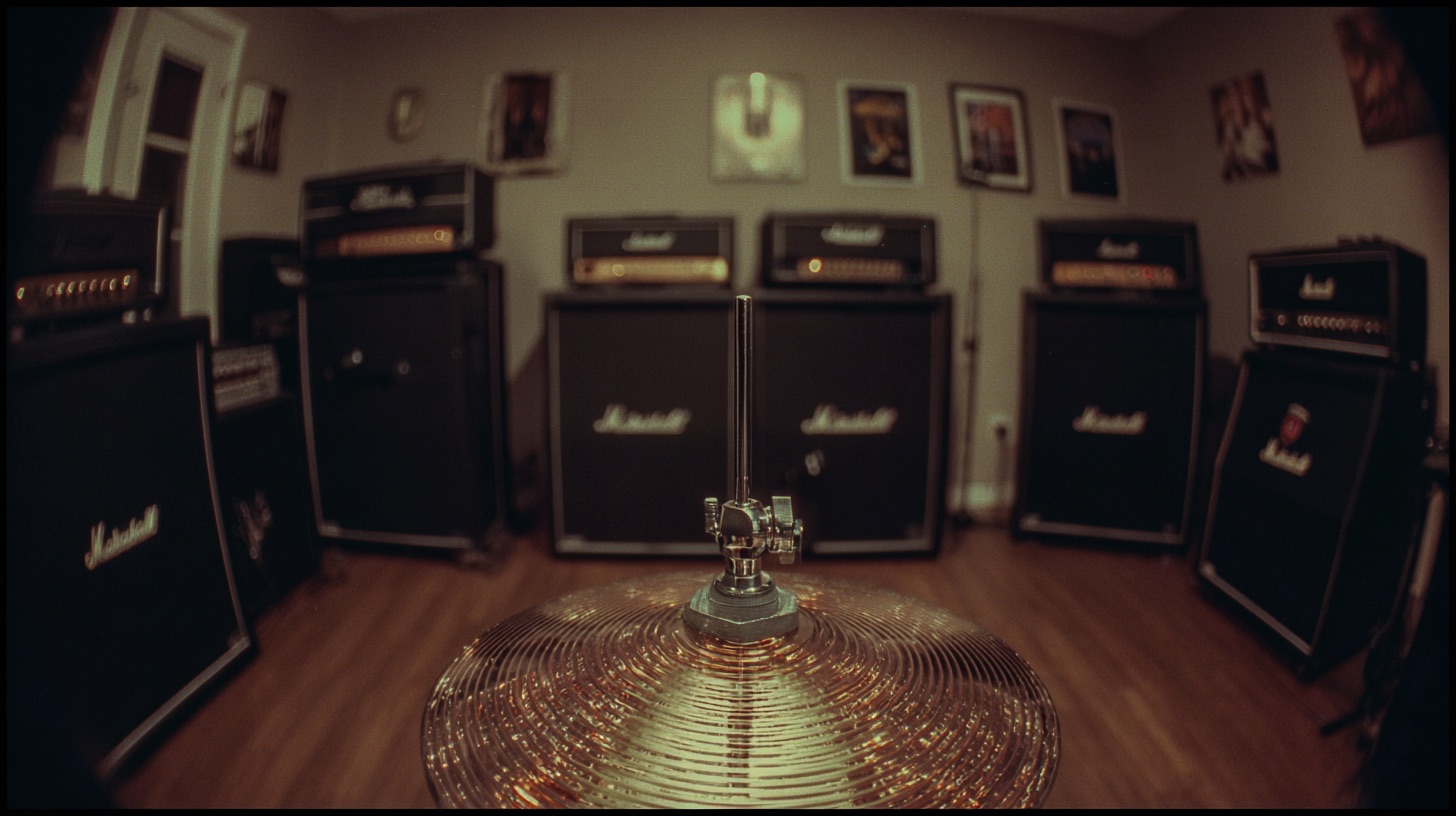
This is arguably the #1 use for a de-esser in metal. Crash cymbals, chinas, and even hi-hats can have a ton of harsh, splashy buildup, especially around 8-12kHz. Slap a de-esser on your overhead bus and set it to catch only the loudest, most offensive cymbal hits. This will tighten up your drum sound immensely, letting the punch of the snare and kick shine through without a constant wall of sizzle.
Distorted Guitars
High-gain guitar tones, especially those from amp sims like the Archetype series from Neural DSP, can have a layer of high-end "fizz" that sounds cool in solo but builds up into a grating mess when you have four tracks stacked. Use a de-esser on your main guitar bus to gently tame that ultra-high-end fizz (often way up at 7-10kHz). It can clean up your tone without sacrificing the aggression. For more on this, mastering metal guitar EQ is a must.
Distorted Bass
Modern metal bass tones, especially with plugins like Darkglass Ultra, are often super clanky and aggressive. While awesome, that string clank and fret noise can sometimes be too much. You can use a de-esser to tame the distracting pick attack or "clank" without killing the bass's presence.
The Mix Bus
This is an advanced move. Placing a very subtle de-esser (or a dynamic EQ) on your entire mix bus can be the final layer of polish. Set it to catch any stray harshness from the interaction of all the elements combined. You only want it tickling the mix, maybe providing 1-2dB of reduction on the absolute loudest peaks, to smooth everything over before mastering.
How do I actually set up a de-esser?
Using a de-esser is a game of subtlety. Here’s a typical workflow using a plugin like the FabFilter Pro-DS or even your stock DAW de-esser.
- Find the Offending Frequency: Most de-essers have a "Listen" or "Audition" button. Turn this on. It lets you hear only the frequencies the de-esser is focusing on. Sweep the frequency control around until you isolate the piercing sound—the "sss," the cymbal sizzle, or the guitar fizz. For vocals, this is often 6-9kHz. For cymbals, it might be 10kHz and above.
- Set the Threshold: The threshold determines at what volume the de-esser kicks in. Lower the threshold until the plugin's gain reduction meter starts to react to the harsh sounds you want to control.
- Dial in the Range/Reduction: This is crucial. Don't obliterate the sound. The "Range" or "Max Reduction" knob sets a ceiling on how much the de-esser can turn the frequency down. Start small. A reduction of -3dB to -6dB is often perfect. The goal is to make it sound natural, not to give your vocalist a lisp.
- Choose Your Mode (Split-Band vs. Wide-Band):
- Wide-Band: Turns down the entire signal (like a volume fader) when it detects the problem frequency. Can sound more natural but can also affect frequencies you didn't want to touch.
- Split-Band: Only turns down the specific frequency range you selected. This is more surgical and is usually the better choice for mixing metal.
Can I de-ess without a specific de-esser plugin?
Absolutely. A modern de-esser is just a convenient package. The real magic is in dynamic EQ.
A plugin like FabFilter Pro-Q 3 is a ridiculously powerful de-esser. Here's how you do it:
- Create a normal EQ band over the harsh frequency.
- Right-click the node and make it "Dynamic."
- The EQ band will now only activate when the signal in that frequency crosses a threshold, just like a de-esser.
This method gives you way more control over the Q (the width of the band) and the shape of the cut. For a deep dive into how EQs and compressors interact, check out our guide on metal compression secrets.
What are the best de-esser plugins for metal?
While your stock DAW plugin can work, some dedicated tools just make the job easier and sound more transparent.
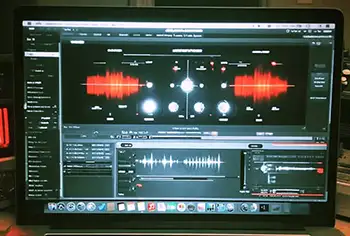
- FabFilter Pro-DS: The modern standard. Incredibly powerful, transparent, and its real-time visualizer and "audition" feature make it easy to pinpoint frequencies.
- oeksound Soothe2: This isn't technically a de-esser, but it's a game-changer for this exact problem. It's a "dynamic resonance suppressor" that automatically finds and tames harsh frequencies across the entire spectrum. It’s magic for smoothing out cymbals and high-gain guitars.
- Waves DeEsser: The classic. Simple, effective, and has been used on countless records. It just works.
Take Your Mixes to the Next Level
Understanding how to use a de-esser is one thing. Seeing it used in the context of a full, professional metal mix is another. That's what separates good mixes from great ones.
Imagine watching world-class producers like Will Putney, Jens Bogren, or Nolly Getgood (check out all our Nail The Mix instructors) tackle these exact problems on real multitracks from bands like Spiritbox, Gojira, and Architects. You get to see every plugin setting, every automation move, and hear them explain why they're making each decision.
If you’re ready to see how the pros create massive, polished, and powerful metal mixes, check out the full Nail The Mix sessions catalog. You get the raw multitracks to practice on, plus a front-row seat to see how it’s really done.