How Zakk Cervini Crafts Modern Metal’s Polished Aggression
Nail The Mix Staff
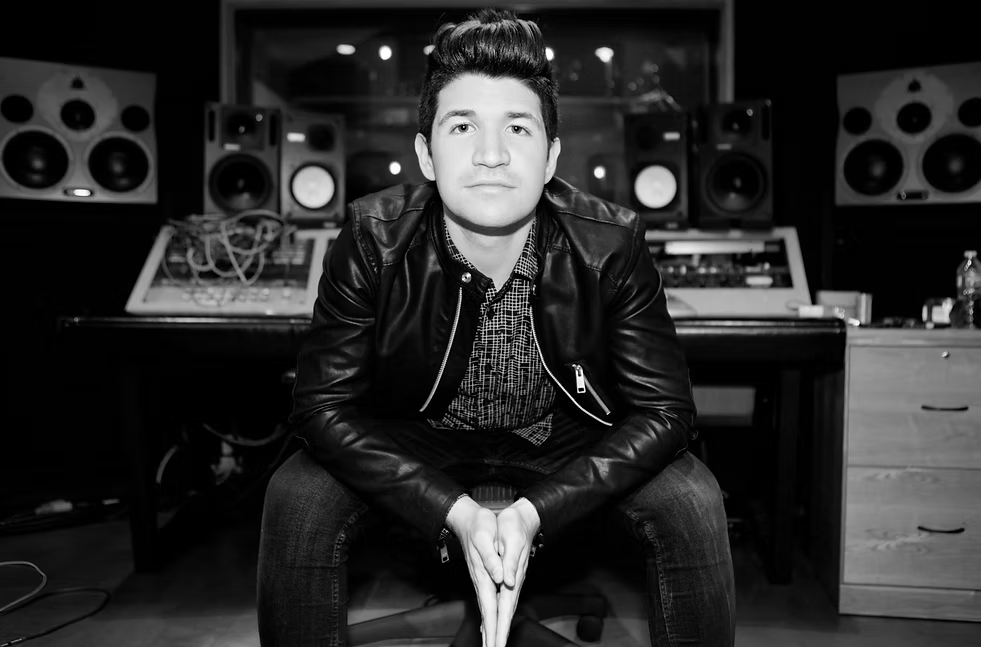
If you’ve listened to any major rock or metal release in the last decade, you’ve heard Zakk Cervini’s work. His mixes are the definition of modern punch: massive, aggressive, and perfectly clear. From Bring Me The Horizon and Architects to Poppy and Spiritbox, Cervini has a knack for making heavy music that feels both dangerously powerful and commercially polished, a sound that dominates playlists and festival stages.
But how does he do it? It’s not about one secret plugin or a single magic trick. It’s a philosophy built on meticulous layering, aggressive processing, and an unrelenting focus on clarity, even in the most chaotic mixes.
Let’s dissect the key components of the Zakk Cervini sound and how you can apply these techniques to your own productions.
Profile: The Architect of Modern Rock’s Sound
Zakk Cervini’s path was forged in the studio of a pop-punk production legend: John Feldmann. This experience was critical, instilling a pop producer’s sensibility for hooks, vocal clarity, and tight arrangements. When he transitioned into heavier genres, he brought that polish with him.
His discography speaks for itself. He’s been a key player in shaping the sound of bands like Bring Me The Horizon (amo, POST HUMAN: SURVIVAL HORROR), Architects (For Those That Wish to Exist), and Bad Omens (The Death Of Peace Of Mind). What connects these projects is a production style that is undeniably heavy but also radio-ready. The guitars are huge, the drums hit like a freight train, and the vocals sit perfectly on top, never getting lost. He’s one of the most in-demand instructors in the game because he consistently delivers this powerful, clean aggression.
The Cervini Drum Sound: Punch Over Everything
A Zakk Cervini mix starts with the drums. They aren’t just the rhythmic foundation; they’re the engine of the entire track. His drum sound is a masterclass in combining the best of live performance and sample technology.
Sample Reinforcement & Layering
Cervini is a master of drum replacement and reinforcement. This doesn’t mean deleting the live drums, but rather blending them with carefully selected samples to enhance impact.
- Kick: The live kick provides the low-mid “thump” and feel, but a heavily processed sample from a library like the GetGood Drums P IV pack is layered in for the sharp, pokey attack and deep sub-bass. The goal is two-fold: an attack that cuts through the guitars and a “thud” you feel in your chest.
- Snare: He often layers a live snare (for the body and rattle of the snares) with a punchy, compressed sample for the “crack.” Think about using a sample with a pronounced 5kHz-ish attack blended underneath the real snare to make it pop without sounding fake. Blending in room samples is also a great way to add size to the mix.
Aggressive Bus Compression
Once the individual drum sounds are right, they all get sent to a drum bus for processing that glues them together. This is where the signature “smack” comes from.
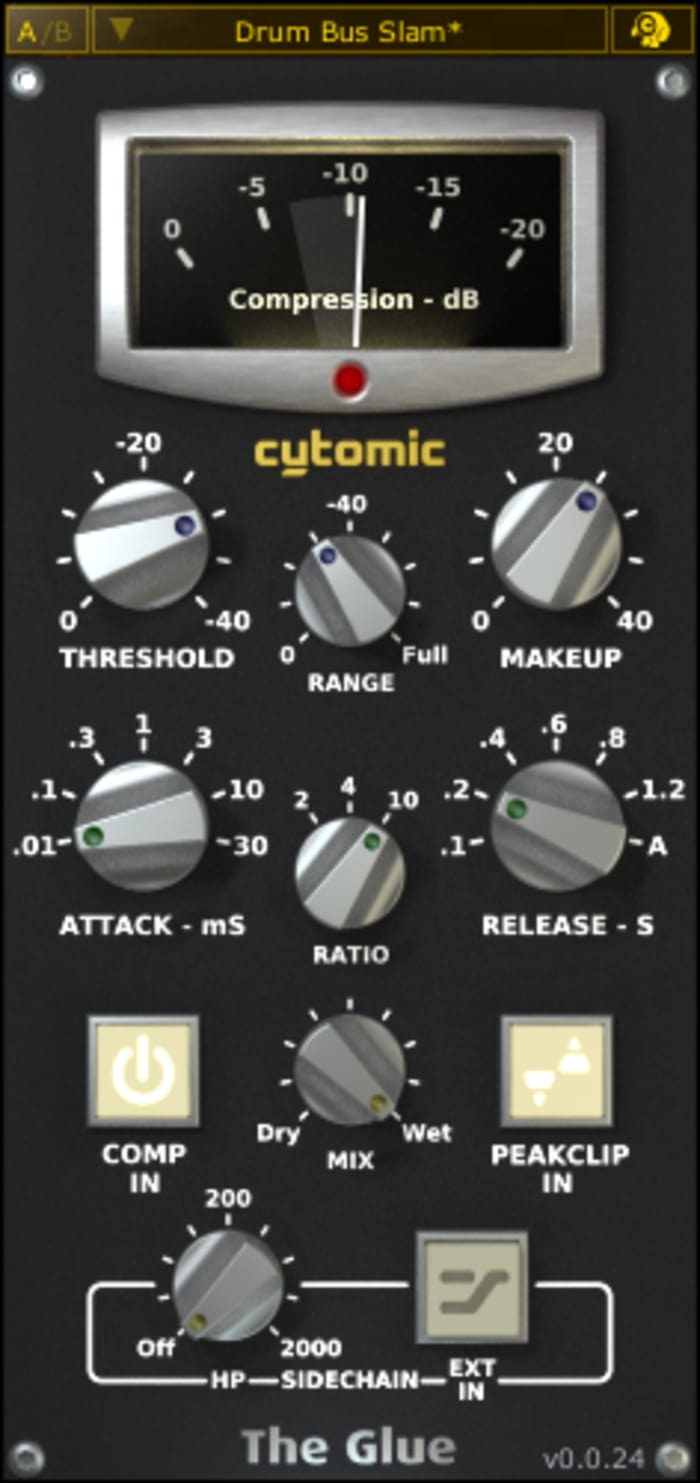
A go-to move is using an SSL-style VCA compressor. Plugins like the Slate Digital VBC Grey or Waves SSL G-Master Buss Compressor are perfect for this. Try these settings for a starting point:
- Attack: 30ms (the slowest setting). This lets the initial transient of the kick and snare punch through before the compressor clamps down.
- Release: 100ms or Auto. You want the compressor to pump in time with the music, adding excitement.
- Ratio: 4:1. This is aggressive enough to create glue and attitude.
- Gain Reduction: Aim for 3-4dB of gain reduction on the loudest hits.
This single move can take a collection of individual drum tracks and turn them into a cohesive, powerful unit. To dive deeper into how bus compressors and parallel processing work in metal, check out our guide to metal compression secrets.
Guitars That Are Huge, But Still Clear
Cervini’s guitar tones are massive walls of sound, but you can still hear every note in a complex riff. This clarity is achieved through careful tone selection and surgical EQ.
The Foundation: Blending Amps and Sims
It’s common for Cervini to blend real amps with amp modelers. A real amp like a Peavey 5150 or Friedman BE-100 provides the organic feel and midrange roar, often captured with a Shure SM57 and a Royer R-121.
Then, he’ll often blend in a DI track run through a modeler like the Neural DSP Archetype series or a Kemper Profiler. This digital layer can add a sharpened high-end attack or a super-tight low-end that might be harder to dial in with a real amp in a room. The key is the blend: one source provides the body, the other provides the surgical precision.
Surgical EQ for Maximum Impact
Clarity in heavy guitars comes from what you take away. Cervini is a master of surgical EQ, ensuring the guitars occupy their own space without fighting with the bass or kick drum.
- High-Pass Everything: This is non-negotiable. Use a high-pass filter on your guitar tracks and roll it up until you just start to hear the tone thin out, then back it off slightly. This is often somewhere between 80-120Hz. This move instantly cleans up low-end mud and creates room for the bass guitar and kick.
- The “Mud” Cut: Find the boxy or muddy frequencies, usually somewhere between 250Hz and 400Hz, and cut them with a medium-Q bell curve. This makes room for the snare’s body.
- Tame The Fizz: Use a narrow-Q parametric EQ to find and notch out the harsh, fizzy frequencies in the high-end, often between 4kHz and 8kHz. This makes the guitars aggressive without being painful to listen to.
These kinds of EQ moves are a cornerstone of modern metal production. If you want a full breakdown, our hub on EQing modern metal guitars is the perfect resource.

Vocals That Sit On Top of the Mix
In a Cervini mix, the vocal is king. It doesn’t matter how dense the instrumentation is; the vocal is always intelligible, present, and sits right on top of everything. This is achieved with a chain of small, precise moves.
The Vocal Chain: A Series of Small Steps
Instead of one plugin doing all the work, the vocal is shaped by a chain of processors, each doing a small job.
A Typical Cervini-Style Vocal Chain:
- Gain and Pitch Correction: Start with clip gain to level out wildly different sections, followed by subtle pitch correction with something like Melodyne or MetaTune.
- Subtractive EQ: Use an EQ like a FabFilter Pro-Q 3 to notch out any resonant, “honky,” or unpleasant frequencies.
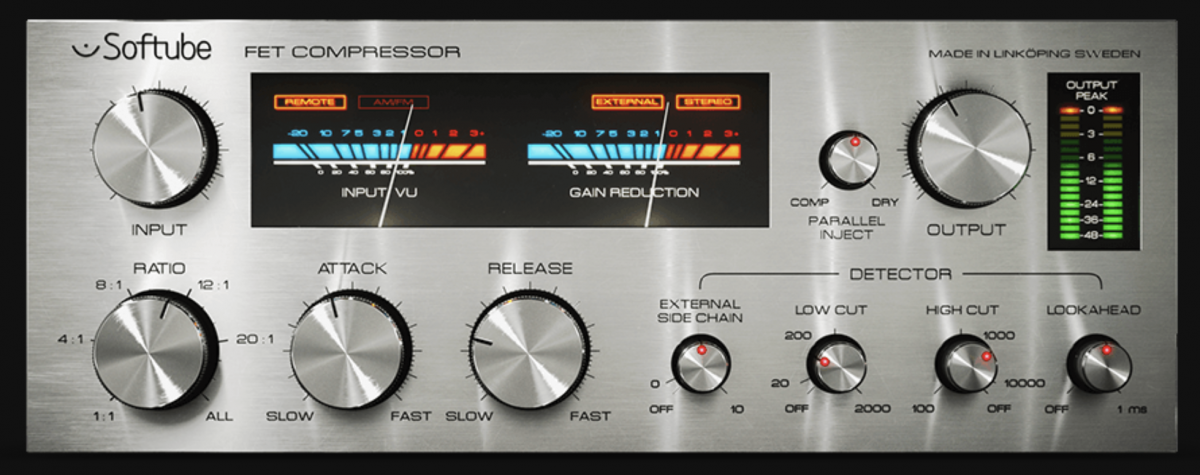
- First Compressor (Gentle): Use an optical-style compressor like an LA-2A (or a plugin like the Slate FG-2A) for just 1-2dB of gentle gain reduction. This “rides” the vocal smoothly.
- Additive EQ: Now, add character. Use a Pultec-style EQ (like the Slate FG-Pultec) to boost high-end air (around 12-16kHz) and add some body in the low-mids.
- Second Compressor (Aggressive): Follow up with a faster FET-style compressor like an 1176 (or Slate FG-116) to catch the fast peaks. Set a fast attack and fast release to pin the vocal in place.
- FX Sends: Send the vocal out to dedicated busses for effects. Use lush reverbs like the ValhallaVintageVerb and precise delays like Soundtoys EchoBoy, often side-chained to the lead vocal so the effects duck out of the way when the vocalist is singing.
A few of Zakk’s highlights
He’s got a massive discography and growing fast, but here’s some of his mixes we suggest checking out:
- Beartooth “In Between”
- Poppy “I Disagree”
- Modern Baseball “Sports”
- Motionless in White “Scoring the End of the World”
- Polyphia “Remember That You Will Die”
- Spiritbox “Tsunami Sea”
- A Day To Remember “Big Ole Album Vol. 1”
- Bad Omens “Specter”
- Wage War “Stigma”
Learn The Techniques The Pros Use
Breaking down Zakk Cervini’s production style reveals a focus on fundamentals executed at the highest level: tight drums, clear guitars, and present vocals. It’s all about making smart choices with layering, EQ, and compression to achieve that polished, aggressive sound.
Spiritbox on Nail The Mix
Daniel Braunstein mixes "Holy Roller"
Get the Session
These are the exact kinds of techniques you can see being built from the ground up inside Nail The Mix. Imagine watching a producer like Zakk dial in those drum samples, carve out that guitar EQ, and build that complex vocal chain, explaining every single move along the way. That’s what we do. Our extensive catalog of Nail The Mix sessions lets you download the real multi-tracks from massive songs and learn directly from the producers who mixed them.