The UAD Sound City Studios Vibe for Crushing Metal Mixes
Nail The Mix Staff
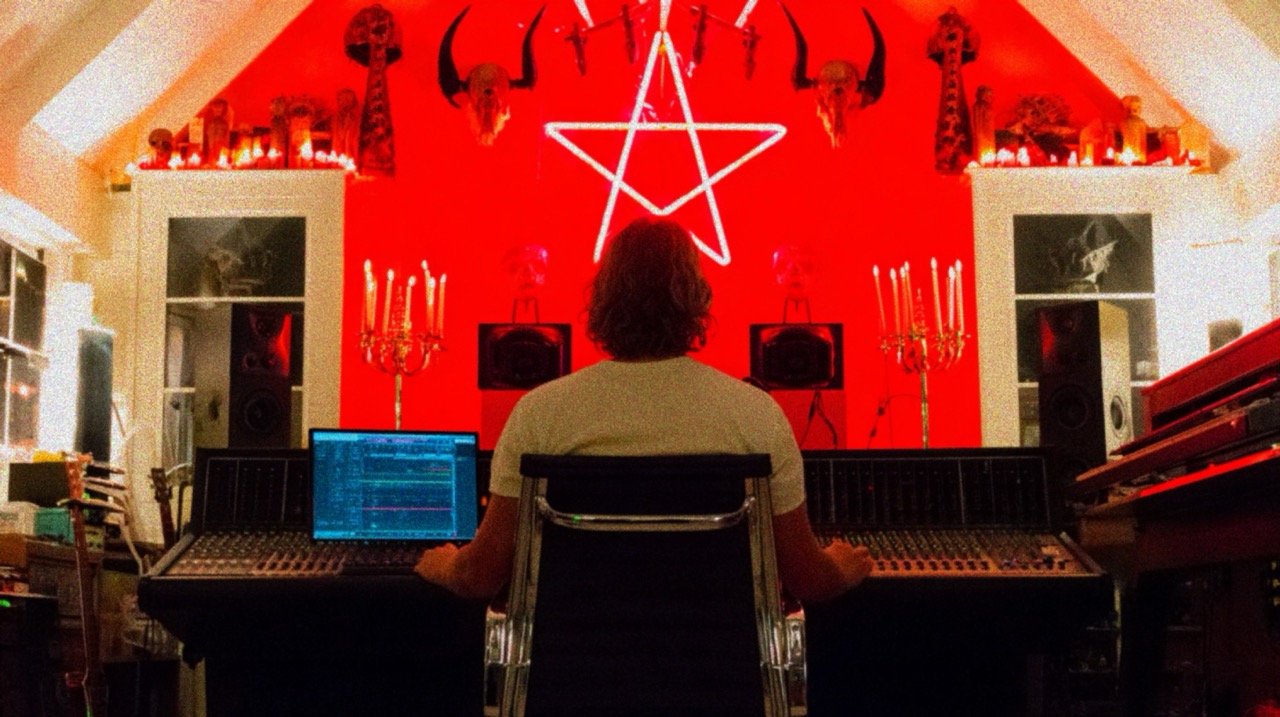
Another day, another must-have plugin drops. This time it's the Universal Audio UAD Sound City Studios plugin, promising to put the legendary sound of one of rock's most iconic rooms right inside your DAW. The marketing is slick, the demos sound huge, and the gear list it emulates—the Neve 8028 console, the vintage mic locker—is the stuff of legends.
It's tempting to think, "This is it. This is the plugin that will finally give my mixes that professional edge." We've all been there, staring at the "Add to Cart" button, convinced a new piece of software is the missing link.
But here’s the real question for metal producers: is another plugin what you really need? And more specifically, does a room emulation plugin designed around famous 70s and 90s rock records have a place in a modern, tight, aggressive metal mix?
The answer is yes… but probably not in the way you think. It comes down to knowing what problem you're trying to solve. Let's dig into what this plugin actually is, and where it can be a secret weapon for heavy music.
What is the Universal Audio UAD Sound City Studios Plugin?
First off, this isn't just a reverb. Calling it a reverb is like calling a Kemper Profiler a distortion pedal. The Sound City Studios plugin is a full-on room emulation. Universal Audio meticulously recreated Studio A, the space where albums like Nirvana's Nevermind, Rage Against the Machine's debut, and Metallica's Death Magnetic were tracked.
What you get is a virtual studio where you can place your DI signals or pre-recorded tracks and "re-mic" them within that space. You can choose from a drool-worthy collection of emulated microphones (Neumann U 67s, U 47s, AKG C12s), place them anywhere in the room, and even run them through the famous Neve console's preamps.
Its main power lies in creating a sense of natural, cohesive space—something that can be desperately lacking in in-the-box metal productions built on samples and DI guitars.
Putting Sound City to Work on a Metal Mix
Okay, enough overview. How do we actually use this thing on a punishing metal track without turning it into a washed-out mess? It’s all about surgical application and thinking outside the box.
For Drums: The Obvious Starting Point
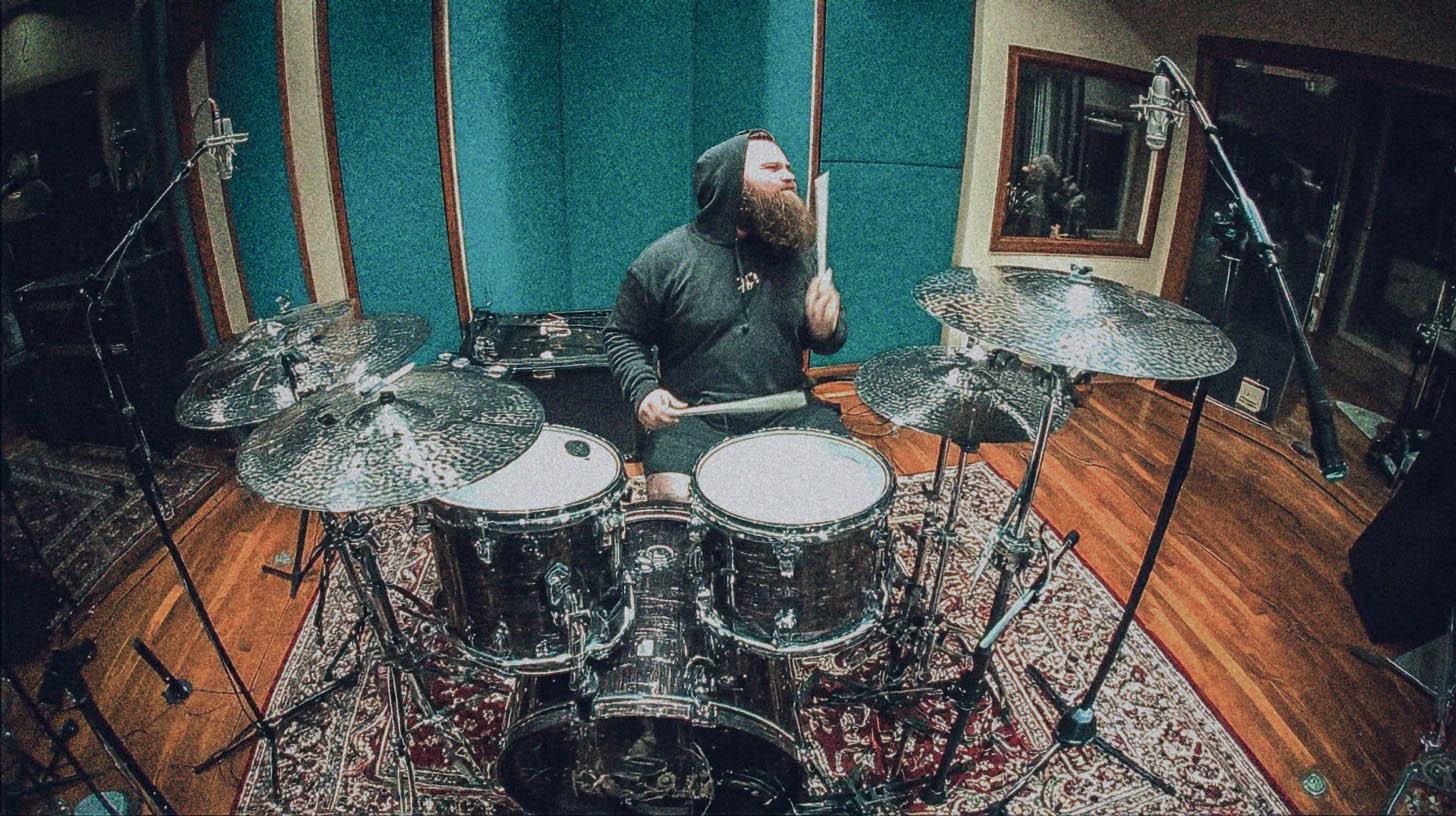
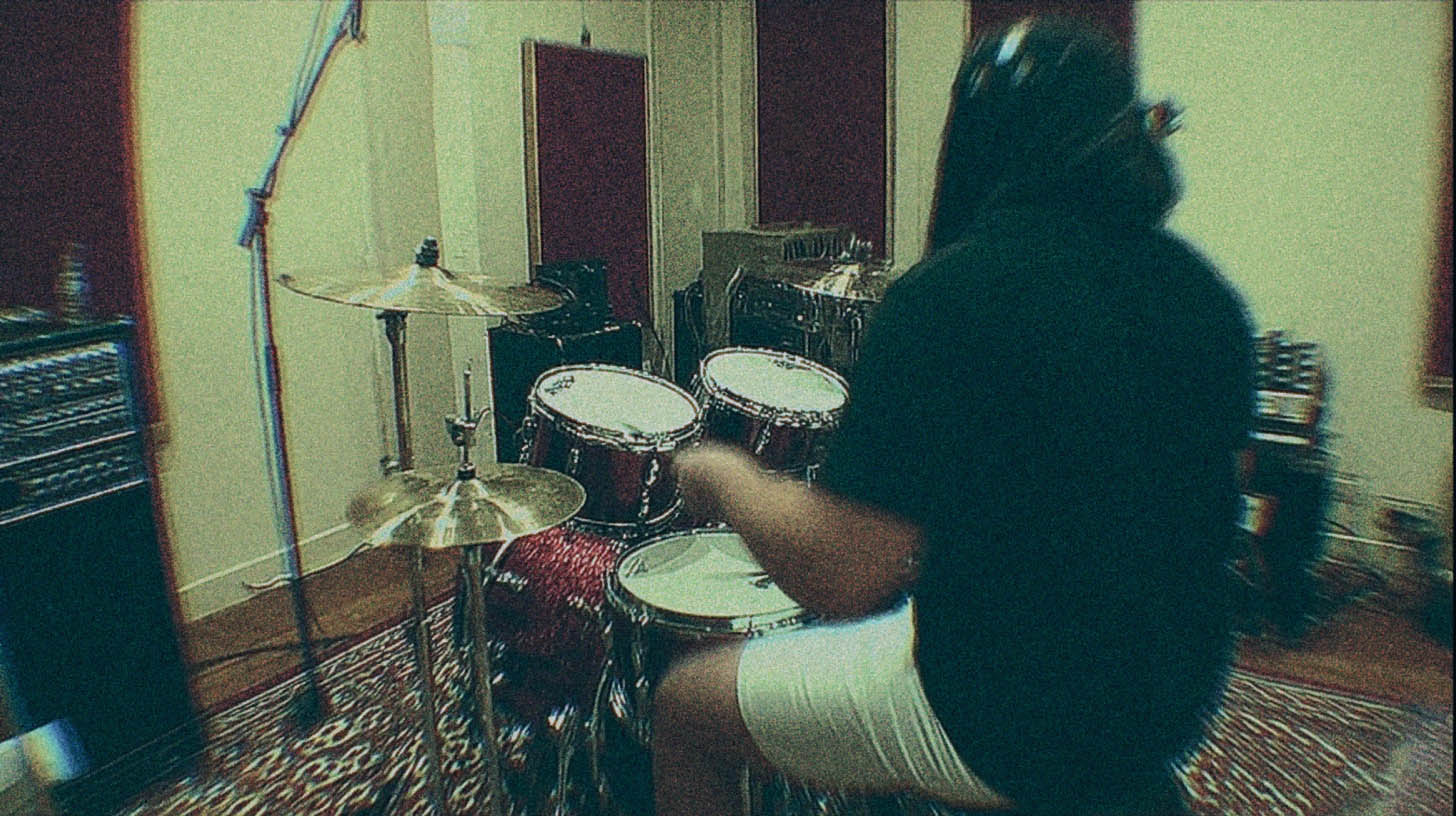
This is Sound City's bread and butter. Modern metal drum production often relies on layering samples (like Slate Drums or GGD) with live cymbals. While powerful, this can sound sterile and disjointed. The samples have their own baked-in room sound, the overheads have another, and they don't always glue together.
This is where Sound City becomes a game-changer. Instead of using five different reverbs, you can create one cohesive environment for your entire kit.
Actionable Tip:
- Set up the Sound City plugin on a stereo aux track.
- Send your close mics—especially your kick, snare, and tom samples—to this aux.
- Inside the plugin, select a pair of room mics. The Neumann U 67s or M 49s are great for a big, rich character. Place them in the "mid" or "far" positions to get the full sound of the room.
- Crucially, blend this room track in underneath your main drum bus. You don't want to drown the drums; you want to create a subtle, believable space that makes all the individual elements sound like they were recorded together. It adds depth and power without sacrificing punch.
What About Guitars? Getting Creative.
Guitars are trickier. The standard for modern metal guitar is a super tight, dry, in-your-face sound. Drenching them in room reverb is a fast way to create a muddy, undefined wall of mush. So why would you use Sound City here?
For one, to create a sense of space around leads and solos. But the more interesting application is for rhythm guitars, used with extreme subtlety.
When you have four, six, or even eight tracks of rhythm guitars (think quad-tracking with different amp sims like Archetype: Gojira or an SLO-100 emulation), they can sound clinical. They’re perfectly aligned, but they lack the vibe of four amps pushing air in a room.
Actionable Tip:
- Route all your rhythm guitars to a main guitar bus.
- Insert Sound City on a send from this bus, not directly on the channel.
- Set the plugin's mix to 100% wet.
- Choose some close-ish mics in the plugin, like the classic Shure SM57 or a Royer R-121 ribbon. Point them at one of the emulated amp cabs.
- Now, bring the send fader up just enough so you can barely hear it. We're talking -20dB or even lower.
The goal isn't to hear "reverb." It's to add a ghost of realism, a tiny bit of shared acoustic glue that makes the layers of DI guitars feel like a single, massive performance. Correctly EQing your metal guitars is still the most important step, but this subtle room trick can provide that final 5% of vibe.
Vocals, Bass, and Beyond
The applications don't stop there.
- Screaming Vocals: Use it as a pre-delay for your main vocal reverb or plate. A short, tight room sound from Sound City feeding into a longer reverb can give vocals a sense of place and dimension.
- DI Bass: Use the plugin’s re-amping feature. Send your clean bass DI into Sound City and "mic up" one of the bass cabs. Blend that re-amped room tone underneath your main processed bass to add air and character that a DI alone can never capture. This works wonders when you start applying tools from your compression toolbox to get the DI and the room tone pumping together.
So, Is It a Magic Bullet?
No. And no plugin ever will be.
The UAD Sound City Studios plugin is a fantastic, highly specialized tool. If your problem is that your in-the-box productions sound sterile and lack a believable space, it can absolutely help solve that problem.
But it won’t fix a bad guitar tone. It won’t fix a poorly tuned drum kit. And it certainly won’t fix a weak arrangement.
This brings us back to the bigger picture: skills will always matter more than tools. Anyone can buy the Sound City plugin, but the reason the mixes made by world-class producers sound incredible is because of the thousands of decisions they make. They know why they’re reaching for a tool, not just what the tool does. You could give one of the Nail The Mix instructors nothing but stock plugins and they would still deliver a crushing mix, because they have the ears and the experience.
It’s easy to fall into "Plugin Acquisition Syndrome," collecting dozens of EQs and compressors, hoping the next one will be "the one." In reality, mastering one or two tools is far more powerful than having a hundred you barely understand.
Learn the 'Why' Behind the 'What'
Using a tool like the Sound City plugin effectively is about taste and intent. It’s about knowing why you're adding room sound to your drums and how much is just enough to add depth without losing impact. It’s about the context of the entire mix.
These are the skills you can't buy in a plugin store. You learn them through practice and by seeing how the best in the world do it. That's the whole point of Nail The Mix. You get the raw multitracks from a massive song and get to watch the original producer build the mix from scratch, explaining every single choice along the way.
You won't just see them use a cool plugin; you'll understand the thought process that led them there. If you're ready to move beyond just collecting plugins and start building real-world mixing skills, check out the full catalog of Nail The Mix sessions. See for yourself how the pros turn raw tracks into massive, release-ready metal.