The Boss HM-2 guitar tone for Swedish death metal (ft. At The Gates)
Nail The Mix Staff
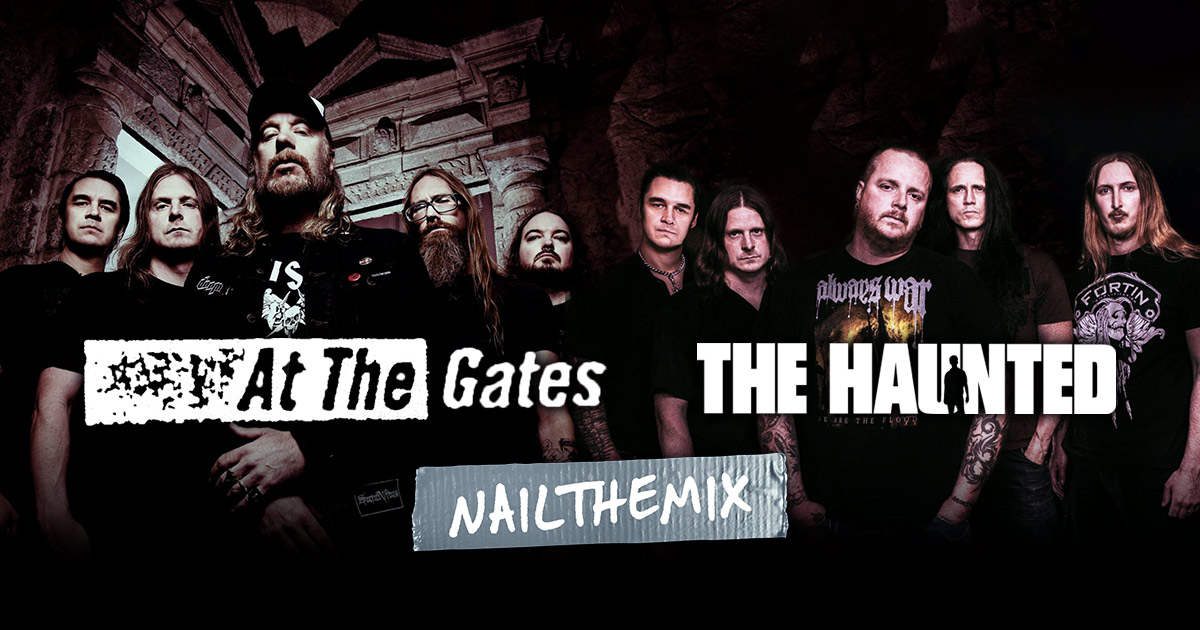
Let’s be real, the sound of At The Gates is legendary. It’s raw, aggressive, and dripping with a specific kind of melodic darkness that defined the Gothenburg scene. When you get your hands on the multitracks for a song like “The Chasm,” produced and mixed by the incredible Russ Russell, you get a masterclass in how that iconic sound is constructed.
We’re diving into the raw tracks from this Nail The Mix session to see what makes it tick. From multi-mic’d drums and layered bass to the infamous Boss HM-2 pedal and… an oboe? Let’s break down how these elements come together to create pure Swedish death metal excellence.
Building a “Tastefully Nasty” Drum Sound
One of the defining features of At The Gates has always been the feel. The drum parts are deceptively simple; they’re not about flashy, over-the-top fills. Instead, they are perfectly constructed to serve the song, combining technicality with a crucial sense of restraint and taste. This musicality is the foundation of the track’s power.
The Kick and Snare Foundation
When you look at the drum tracks, you see a blend of classic techniques and modern reinforcement.
- Kick: You get a kick in and a kick out mic, plus two dedicated kick samples. This setup gives you total control. The secret is in the blend. Use the natural in/out mics to capture the attack, the “thwack” of the beater, and the top-end air. Then, blend in the samples underneath to provide a consistent, powerful low-end foundation that will punch through the mix without sounding artificial.
- Snare: Similarly, the snare comes with top and bottom mics plus a sample. Get your core tone and crack from the top mic, add the sizzle and snap of the wires with the bottom mic, and then use the sample to add body and consistency to every hit.
Creating Atmosphere with Room Mics
This is where the “raw and nasty” vibe really comes to life. Beyond the standard overheads and close mics, the session includes two secret weapons: a “Trash Room” mic and an “Ambient Room” mic.
- Trash Room: This mic is begging to be abused. The goal here is to use heavy-handed compression to bring up all the low-level details of the room and make the kit sound explosive. When you crush this mic and blend it in beneath the main drum bus, it glues the whole kit together and adds a layer of aggressive, energetic grime.
- Ambient Room: While the direct snare sound might be tight and focused, the ambient room mic is your ticket to size and space. This track captures the natural decay of the kit in the live room. Think of it as a natural reverb. Blending this in gives the snare length and helps the entire kit breathe, pushing it from a collection of individual drums into a cohesive, atmospheric force.
Layering Bass for Maximum Aggression
The bass tone in “The Chasm” is a three-headed monster, giving you everything you need for a tone that is both massive and articulate. You get a clean DI track, a gritty Rat pedal tone, and a roaring SVT tone.
The DI is your anchor. It’s full-bodied with incredible articulation, providing the solid low-end fundamental. But on their own, DI signals can sometimes feel a bit polite for a track this aggressive.
That’s where the amp tones come in. The Rat and SVT tracks are pure nastiness. The trick is to blend them strategically. Keep the DI as your core for the sub-bass and clean note definition, then slowly bring up the distorted tones to add the grind, saturation, and midrange power needed to cut through a wall of guitars. This layering technique ensures the bass is huge and heavy without turning into low-end mud.
Dialing in the Legendary Swedish Chainsaw Guitar Tone
Here it is. The sound that launched a thousand metal bands. This session delivers the goods with a regular amp tone and a dedicated track for the legendary Boss HM-2 “Heavy Metal” pedal.
The HM-2: Adding the “Garlic”
The HM-2 is more than a distortion pedal; it’s an instrument in itself. It’s that pissed-off, chainsaw-like buzzsaw sound that is synonymous with Swedish death metal. It’s glorious, but it’s also a challenge to mix.
Think of the HM-2 like garlic in your cooking. A little bit adds incredible flavor and character, but too much will completely ruin the dish.
The key is to find the perfect blend between the main amp tone and the HM-2 track. The main amp provides the body, weight, and clarity of the riff. The HM-2 adds that signature high-mid fizz and aggression. Start with the HM-2 fader all the way down and slowly ease it into the mix. You’re looking for the point where it adds that iconic texture without overpowering the fundamental guitar tone. This is where surgical EQ is your best friend, helping you carve out space for each layer to coexist.
Adding Texture Beyond the Riffs
At The Gates excels at building a mood, and this track is no exception. Beyond the core metal instrumentation, you find some really cool textural elements.
- Creepy Cleans and Acoustics: The session includes clean, creepy acoustic parts and a “clinky” track that sounds like a harpsichord or a 12-string played on a synth. This is a callback to the classic 80s and 90s metal tradition of using cinematic, almost horror-score-like intros and interludes to build suspense and atmosphere.
- The Oboe & The Solo: Yes, there’s an oboe. This is a pure textural move. The key is subtlety. Don’t treat it like a lead instrument; tuck it deep into the mix with some reverb and delay to add a unique, eerie layer. The solo is equally tasteful—not a shred-fest, but a melodic, Scandinavian-style lead that perfectly complements the song’s vibe.
Handling Tomas Lindberg’s Iconic Vocals
Tomas “Tompa” Lindberg’s voice is one of the most recognizable in all of metal. The session gives you four vocal tracks to play with, and they aren’t just simple doubles. This opens up a ton of creative possibilities.
To make them sit in a mix this dense, think wide. Use panning to spread the different vocal tracks across the stereo field, creating a massive vocal presence. This is also a perfect opportunity to get creative with effects. Long, trailing delays and dark reverbs will help the vocals occupy their own space and enhance the epic, raw feeling of the track.
At The Gates on Nail The Mix
Russ Russell mixes "The Chasm"
Get the Session
Put These Techniques to the Test
Breaking down the raw tracks for a band like At The Gates reveals just how much thought goes into crafting a “raw” sound. It’s a careful balance of great performance, smart tonal layering, and atmospheric texturing. These are actionable techniques you can start applying to your own mixes today.
But imagine going a step further. Imagine watching Russ Russell himself put these exact tracks together, explaining every EQ move, every compression setting, and every creative decision live.
With Nail The Mix, that’s exactly what you get. You not only get to download the full multitrack session for “The Chasm,” but you also get to watch the original producer mix it from scratch. It’s the ultimate way to move beyond presets and learn how world-class metal records are really made. Check out Nail The Mix and see how the pros do it.