Download The Haunted “Preachers Of Death” Raw Multi-Tracks
Nail The Mix Staff
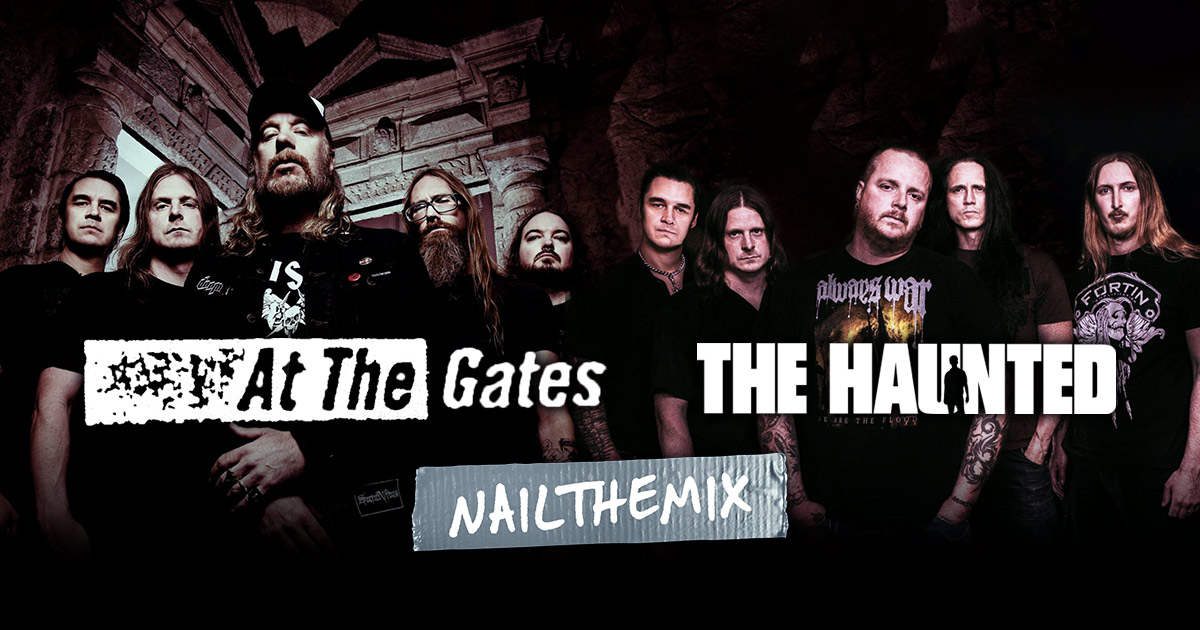
When you think of Swedish melodic death metal, two names that inevitably come up are At The Gates and The Haunted. Born from the ashes of At The Gates’ original run, The Haunted carved out their own legendary status with a thrashier, more aggressive edge. So when you get the chance to crack open the multitracks for their song “Preachers of Death”—produced and mixed by the legendary Russ Russell—you know you’re in for a masterclass in modern metal production.
We did just that, diving into the raw session files. Right off the bat, it’s clear these aren’t just good tracks; they’re a perfect sonic canvas, ready for a killer mix. Let’s break down the key elements, from the meticulously crafted drums to the machine-gun guitar riffs.
Modern Metal Drums: Precision Over Raunch
One of the most fascinating things about this session is the context. It features the same drummer (Adrian Erlandsson), producer (Russ Russell), and studio as the At The Gates “The Chasm” session. Yet, the drum sounds are worlds apart, and that’s completely intentional.
The “At The Gates vs. The Haunted” Mindset
The At The Gates drum sound was designed to be raw, nasty, and ambient—a dark, brooding beast. For The Haunted, the goal was different: precision, tightness, and a modern punch, without falling into the trap of an over-processed, “steroid metal” production.
You can even hear this philosophy in the drum fills. While both tracks kick off with a fill, they couldn’t be more different. The At The Gates fill is sparse and atmospheric. The Haunted fill is a flurry of notes, setting an aggressive, technical tone. The fills throughout the song are perfectly tasteful and surprisingly hooky—simple in concept but executed with incredible feel, each one adding its own little hook to the song.
Dissecting the Drum Mics
The session provides a ton of options to shape the perfect drum sound.
The Shells & Samples
The raw Kick In and Kick Out mics deliver a totally workable, natural sound. But for this style of tight, modern metal, you’ll almost certainly be blending them with samples to get that consistent attack and low-end punch.
Beyond the standard snare top and bottom, there’s a curious track labeled “Snare Jazz.” What is it? It’s a unique mic that acts almost like a short, organic reverb or room sound for the snare, giving it a bit of length and character without washing it out. It’s a cool production trick for adding dimension.
Taming the Overheads
A quick look at the overhead waveforms shows a pro move: the main drum hits aren’t clipping or excessively loud. This is great news for mixing. It means you can use some light compression or limiting to control the snare bleed and really bring out the shimmer and sparkle of the cymbals, using the overheads for their primary purpose: capturing the top end of the kit.
The Power of Aggressive Room Mics
Here’s where it gets really fun. This session includes a whole suite of room mics: Room, Far Room, Mono Kit, an ambient mic, and a “Head” mic (a mono room). Several of these, especially the Far Room, sound heavily compressed and distorted.
When you get tracks like this from a top-tier producer, it’s not a mistake. Distorted, crushed room mics are an essential tool for adding attitude and aggression. They’re not meant to sound pretty on their own; they’re meant to be blended underneath the close mics to give the whole kit more punch, energy, and a sense of space. Play with the levels of these different rooms, and you’ll see how they can take a clean, punchy drum sound and make it absolutely savage.
Production FX for Impact
To make the big moments even bigger, Russ Russell included some extra production candy. You’ll find a “Big Hit” sample that acts like a snare bomb, layering in with key snare hits to make them explode. There’s also a “Boomer” sample placed on major downbeats, adding a massive sub-frequency impact that you can feel in your chest. These are the kinds of details that separate a good mix from a great one.
Crafting a Bass Tone that Cuts and Rumbles
For the low end, you get three distinct tracks: a clean Bass DI, a gritty Bass SansAmp, and a gnarly SVT amp track. The SVT tone is beautiful and nasty, but be warned: if you push it too loud in the mix, its midrange character could start fighting with the rhythm guitars.
The SansAmp track provides a great distorted texture. A key thing to remember when working with distorted bass is that the distortion itself acts as a form of compression, evening out the performance and helping it sit consistently in the mix.
The likely path to a killer tone here is to blend these elements. Use the clean DI for the solid low-end foundation, then carefully mix in the SansAmp and SVT tracks to taste for aggression and bite. Or, take that pristine DI and re-amp it through your own favorite plugins to build a custom tone from the ground up.
Machine-Like Rhythm Guitars and Melodic Genius
It wouldn’t be The Haunted without absolutely blistering guitar work, and this track delivers.
The Art of the Tight Rhythm Riff
The rhythm guitars (two main tracks, plus their corresponding DIs) are a lesson in precision. The riffing is machine-like, a torrent of open notes and chugs played with inhuman tightness. It might sound simple, but maintaining that level of perfect synchronization between two players on a part like this is incredibly difficult and is a massive part of the genre’s sound.
Swedish Melodic Sensibility
Then come the melodies and leads. The Swedes just have a different understanding of harmony and chord movements, and it’s on full display here. The melodic layers are sophisticated and memorable, a perfect counterpoint to the rhythmic brutality.
The lead playing is especially impressive, not just for the fast parts, but for the slower, more expressive moments. There’s a mastery of vibrato and note control that makes the leads sing. It’s often these slower, more nuanced parts that are the hardest to nail, requiring authentic feel and ownership over every single note. Creating space for these intricate parts with careful EQ is crucial to letting them shine without getting lost in the wall of sound.
Punchy, Controlled Vocals
The vocal performance is raw and aggressive. The tracks consist of a main line with a few strategic doubles on key phrases. One nice touch is that the vocals already have some outboard compression printed on them from the recording process. This helps keep them under control from the start and gives them a professionally polished feel. You’ll still need to apply your own compression and effects in the mix, but having that initial control baked in is a huge head start.
At The Gates on Nail The Mix
Russ Russell mixes "The Chasm"
Get the Session
Take the Reins and Mix It Yourself
Breaking down these tracks reveals the intentionality behind every single decision. From the precise, modern drum sound and aggressive room mics to the perfectly blended bass and virtuosic guitars, it’s a blueprint for a killer modern metal mix.
Reading about these techniques is one thing. But what if you could grab these exact same multitracks and mix them yourself?
That’s what Nail The Mix is all about. You can get these raw tracks from The Haunted’s “Preachers of Death” and watch the original producer, Russ Russell, build the entire mix from scratch, explaining his every move. Plus, when you sign up, you also get the session for “The Chasm” by At The Gates—two legendary bands, one incredible producer. Stop just reading about production and start doing it. It’s time to unlock your sound and see what you can create with world-class source material.
Click here to get the multitracks for The Haunted and At The Gates and learn from Russ Russell!