
MP3 vs MP4: What Metal Producers Actually Need To Know
Nail The Mix Staff
You’re a metal producer. You’re wrestling with mic placements, dialing in savage guitar tones with your Kemper or Axe-FX, and trying to get your kick drum to punch like a sledgehammer through a concrete wall using FabFilter Pro-Q 3. The last thing you want is to get bogged down in a swamp of confusing file formats. But here’s the deal: understanding the difference between MP3 and MP4 isn't just nerdy tech stuff. It directly impacts how your killer mixes reach the ears of bandmates, clients, and fans.
You've probably seen these extensions a million times. MP3s for sending quick bounces, MP4s for that music video your band just shot. But what’s really going on under the hood? And more importantly, how does it affect the sonic devastation you're trying to unleash from your DAW, be it Pro Tools, Reaper, Logic Pro X, or Cubase?
Let's dive in.
Demystifying MP3: The Audio Workhorse (and Sometimes Villain)
You’ve exported countless MP3s. It’s the go-to for a quick listen. But what is it?
What an MP3 Actually Is (and Isn't)
First off, MP3 stands for MPEG-1 Audio Layer III (or MPEG-2 Audio Layer III for lower bitrates). It’s an audio-specific file format AND a codec. A codec is a piece of software that compresses (encodes) and decompresses (decodes) data. In the MP3’s case, it uses lossy compression.
"Lossy" is the key word here. To shrink file sizes, the MP3 codec intelligently throws away audio information it deems "inaudible" or "less important" based on psychoacoustic models. Think of it like this: it tries to remove sounds masked by louder sounds or frequencies at the edge of human hearing. This is how you can get a 50MB WAV file down to a 5MB MP3.
The amount of data kept is determined by the bitrate, measured in kilobits per second (kbps).
- 128kbps: Often the default in older gear. You'll probably hear artifacts – cymbals might sound "swishy" or "watery," and the stereo image can narrow. Avoid for anything critical.
- 192kbps: Better, but still a compromise.
- 320kbps: Generally considered the highest quality for MP3s. For many, it's hard to distinguish from a lossless file in casual listening, but it’s still lossy.
When to Use MP3s in Your Production Workflow
MP3s have their place, even in a pro workflow:
- Quick Sharing: Bouncing a work-in-progress mix from Studio One to send to your guitarist via Dropbox? A 320kbps MP3 is perfect – small, fast, and good enough for checking arrangement or performance.
- Reference Tracks (with caution): Sometimes bands send MP3s as references. Just be aware that what you're hearing has already been through a lossy process. Don't base critical EQ decisions solely on an MP3 reference if you can get a WAV.
- Client Previews: For initial mix versions, an MP3 can be fine, but always clarify you’re sending a compressed version and the final master will be lossless.
Critical Note: NEVER use MP3s for archiving your final masters or stems. For that, stick to uncompressed WAV or AIFF files, or lossless compression like FLAC. Your hard-won mix, with all that parallel processing on the drums using your favorite Distressor emulation, deserves better than to be permanently crippled by MP3 encoding for your archive.
The "Sound Quality" Debate: Can You Hear the Difference?
Ah, the eternal flame war. Can you really hear the difference between a 320kbps MP3 and a WAV? In a controlled environment, on good monitors (like your trusty Yamaha NS-10s or Genelecs), with a well-mixed track, many experienced engineers can pick it out. The differences might be subtle – a slight loss of transient detail, a change in the very high-end "air" you meticulously crafted with your Maag EQ4, or a less defined stereo field.
For critical listening during mixing or mastering, always use lossless formats. For everything else, a high-bitrate MP3 is often a practical choice. Want to test yourself? Use a tool like Hofa BlindTest or set up a blind A/B in your DAW. Level match carefully!
Unpacking MP4: The Multimedia Container
Now for MP4. This is where things often get muddled, because MP4 isn't just one thing.
More Than Just Video: The Container Concept
MP4, technically MPEG-4 Part 14, is a digital multimedia container format. Think of it like a shipping container. The container itself (the .mp4 file) doesn't define what's inside; it just holds various types of data. This data can include:
- Video (e.g., encoded with H.264, H.265/HEVC codecs)
- Audio (e.g., encoded with AAC, ALAC, or even MP3 codecs, though AAC is most common)
- Subtitles
- Still images
This is the fundamental difference: MP3 is an audio format. MP4 is a container that can hold audio, video, and more.
Audio Codecs within MP4: AAC and Beyond
When an MP4 file contains audio, it’s most commonly encoded using AAC (Advanced Audio Coding). AAC is also a lossy codec, but it's generally more efficient than MP3. This means it can achieve slightly better audio quality than an MP3 at the same bitrate, or similar quality at a lower bitrate. This is why platforms like Apple Music use AAC.
An MP4 could technically contain MP3 audio, or even lossless audio like ALAC (Apple Lossless Audio Codec), but for widespread distribution, AAC is the king for audio within an MP4. (This is also where you’ll encounter the related M4A format, which is essentially an audio-only MP4 container.)
Why MP4 Matters for Modern Metal Producers
You might think MP4 is just for the video guys, but it's increasingly relevant for you:
- Music Videos: This is the big one. Your final mixed and mastered audio will be synced to video and exported as an MP4 for YouTube, Vimeo, etc.
- Visualizers & Lyric Videos: Creating simple visuals for your tracks on YouTube? You'll be exporting an MP4 from software like Adobe After Effects, DaVinci Resolve (which has a surprisingly powerful free version), or even simpler tools.
- Social Media Content: Instagram Reels, TikToks, Facebook videos – all MP4s.
- Streaming Playthroughs/Tutorials: If you’re making content showing off your sick riffs or production techniques using ScreenFlow or OBS, the output will be an MP4.
MP3 vs. MP4: The Head-to-Head for Producers
Let’s break it down simply, keeping the distinction between different production stages, like mixing vs. mastering, in mind.
Key Differences Summarized
| Feature | MP3 | MP4 |
|---|---|---|
| Primary Use | Audio Only | Multimedia (Audio, Video, Subtitles, etc.) |
| Type | Audio Codec & File Format | Container File Format |
| Audio Codec | MPEG-1/2 Audio Layer III | Typically AAC, but can also hold others (ALAC, MP3, etc.) |
| Video? | No | Yes (e.g., H.264, H.265) |
| File Extension | .mp3 |
.mp4 |
When Would You Choose One Over the Other?
- Sending a quick audio-only demo to your drummer to check the tempo map? -> MP3 (e.g., 320kbps).
- Uploading your new single to SoundCloud or Bandcamp? -> You'll likely upload a high-quality WAV or FLAC. They will then transcode it into various streaming formats, including MP3s or other codecs like Opus or Ogg Vorbis.
- Submitting your final mastered track to the dude editing your music video in Adobe Premiere Pro? -> Send a 24-bit WAV. He will sync it and his final export for YouTube will be an MP4.
- Creating a simple lyric video in DaVinci Resolve with your track? -> The final product will be an MP4.
- Your band wants to put a full album on a USB stick to sell at shows? -> You could use MP3s for convenience, but offering FLACs as well would be a quality move. Don't put MP4s unless there's video content.
Practical Implications for Your Mixes: Don't Let Codecs Wreck Your Hard Work
Understanding these formats is cool, but how does it save your mix from sounding like ass once it’s squashed?
Encoding Artifacts and How to Minimize Them
Lossy codecs like MP3 and AAC can introduce audible gremlins:
- "Warbling" or "Underwater" Sounds: Especially on sustained notes or reverb tails.
- "Swishy" or "Phasey" Cymbals: High-frequency content is often the first casualty. That beautiful shimmer you got from your Soyuz 013 FETs on overheads can turn into a mess.
- Loss of Stereo Width or Depth: The sense of space can diminish.
- Pre-echo: A faint ghostly echo before sharp transients, like a snare hit.
Pro-Tips for Cleaner Encodes:
- Headroom is Your Friend: Leave at least -0.5dBFS (even -1.0dBFS is safer) of peak headroom on your master before encoding. Intersample peaks, which your DAW's main meter might not show, can cause clipping during the encoding process, even if your WAV looks fine. Tools like iZotope RX or dedicated intersample peak meters can reveal these.
- Test Your Mixes Through Encoders: Don't just rely on your DAW bounce. Use a dedicated encoder (like Apple's free
afconvertcommand-line tool for AAC, or LAME for MP3s via Audacity or specialized apps). Many mastering DAWs like WaveLab or Hofa CD-Burn.DDP.Master have built-in encoding previews. Listen critically. - High-Frequency Control: If your mix is excessively bright or has a ton of super-high frequency content (e.g., pushing 16kHz+ hard with a Pultec EQP-1A style plugin), it might not survive encoding gracefully. Sometimes, a gentle high-shelf cut before encoding can lead to a cleaner result. This is where meticulous EQ strategies for mixing modern metal become crucial, ensuring your top end is defined but not overly "fizzy" or brittle.
- Mono Compatibility: While not strictly an encoding issue, lossy codecs can sometimes exaggerate problems with mono compatibility. Always check your mix in mono.
Preparing Audio for Video (MP4)
When your audio is destined for an MP4:
- Deliver High-Quality Masters: Always send the video editor your final, approved master as a 24-bit (or 32-bit float) WAV file. Don't send an MP3 for them to use in the video!
- Communicate Loudness: For online platforms like YouTube, loudness normalization is a thing. While you should still master your track to sound competitive, be aware that extreme hyper-compression (like constantly slamming -5 LUFS integrated) might just get turned down. Aim for a balanced, punchy master.
- Specify Audio Settings (if possible): If you have any say, request that the video editor exports the audio stream within the MP4 using a high AAC bitrate (e.g., 256kbps or 320kbps). They should avoid re-compressing your audio multiple times.
Does Codec Choice Affect Your Mix Decisions? (Subtly, Yes)
You shouldn't be mixing for an MP3. You should be mixing for the best possible sound, period. However, being aware of how your decisions translate is key.
- Transient Detail: If your snare relies on extremely subtle ghost notes or super-crisp transients shaped by something like Slate Trigger or SSD5, be aware that lossy encoding might soften these slightly.
- Heavy Compression: While essential for modern metal, be mindful that super-dense, heavily compressed mixes can sometimes give encoders a harder time, potentially leading to more noticeable artifacts. Judicious use of metal compression techniques is always a good idea, not just for encoding, but for the overall impact of your mix.
- Reference on Different Systems: Occasionally listen to your mix bounces (as MP3s or AACs) on various playback systems (earbuds, laptop speakers, car stereo) to get a sense of how it translates outside your studio.
Beyond MP3 & MP4: Other Formats You'll Encounter
While MP3 and MP4 are common, you'll see others:
- WAV/AIFF: Uncompressed, lossless audio. Your gold standard for recording, mixing, mastering, and archiving. What you bounce from your DAW before any lossy encoding.
- FLAC (Free Lossless Audio Codec) / ALAC (Apple Lossless Audio Codec): Lossless compressed audio. File sizes are smaller than WAV (around 40-60% reduction) but with no quality loss. Great for archiving or personal listening libraries.
- OGG Vorbis: Another lossy codec, famously used by Spotify.
- Opus: A newer, very efficient lossy codec, also used by YouTube and other streaming services. Often outperforms MP3 and AAC at lower bitrates.
Knowing these helps you deliver the right format for the right purpose. When you grab those multitracks from Nail The Mix, they're typically WAVs – the raw, unadulterated source for you to work your magic on.
Making Your Mixes Codec-Proof (Well, Almost)
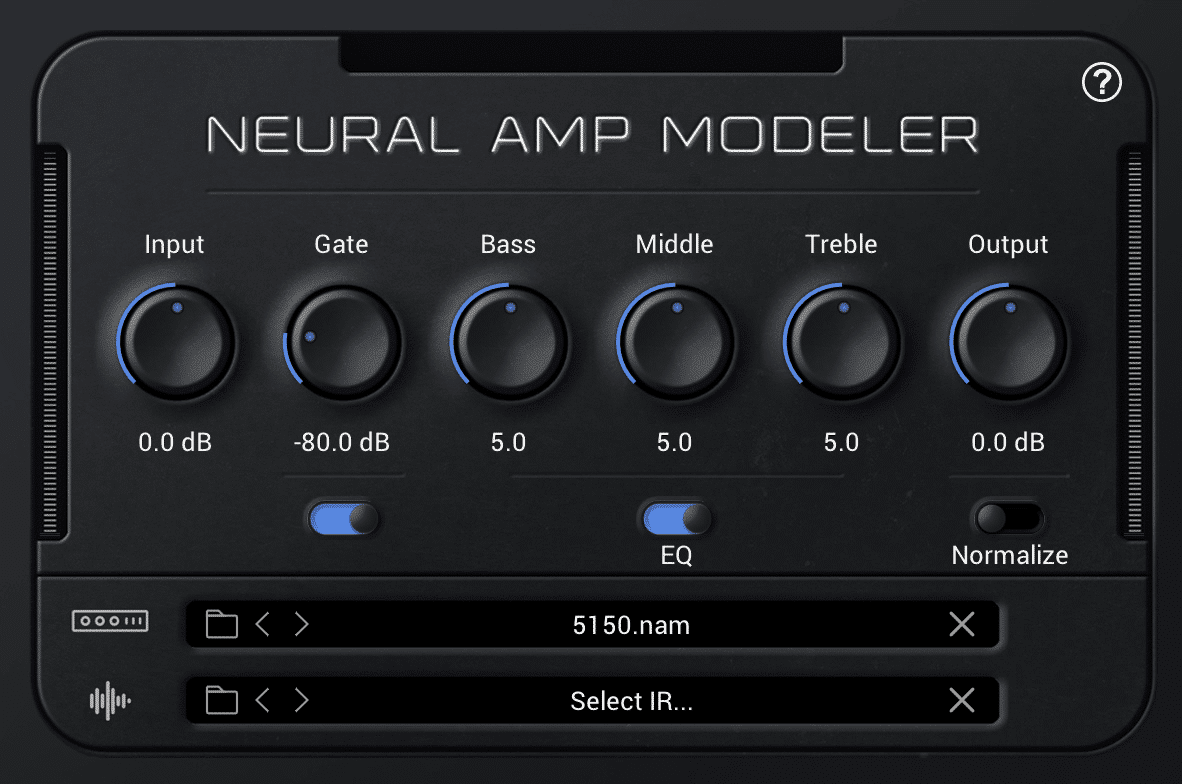
Understanding the difference between MP3 and MP4, and how codecs like AAC fit in, is a vital piece of the modern producer's toolkit. It’s about ensuring the blood, sweat, and countless hours you pour into tweaking that guitar DI with your go-to TSE X50 or Neural DSP plugin actually translate to the listener.
But let's be real: format knowledge is secondary to a slamming mix. If the mix itself isn't powerful, balanced, and clear, no amount of careful encoding will save it.
Want to see how the pros make those critical mix decisions that ensure their tracks sound massive, whether it's a Spotify stream, a YouTube video, or a CD? How they carve space, build intensity, and make every element hit hard before it even thinks about an encoder? Nail The Mix puts you right in the room. You get the actual multitracks from huge metal bands and watch renowned producers like Joey Sturgis, Eyal Levi, Jens Bogren, or Will Putney mix them from scratch, explaining every plugin choice, every automation move.
Learn the fundamental techniques that make a mix translate, no matter the final delivery format. Dive deeper and Unlock Your Sound: Mixing Modern Metal Beyond Presets.
The Bottom Line
So, MP3 vs MP4?
- MP3: It’s all about audio – a specific format for compressed sound files. Good for quick shares, not for masters.
- MP4: It’s a versatile box (container) that can hold video, audio (often AAC), and more. Essential for anything visual.
Knowing this distinction helps you navigate the technical side of music delivery. Now, go make those mixes rip, and make sure they sound just as crushing when they hit the outside world!