Dialing In A Massive Metalcore Bass Tone: DI, Ampeg, distortion & sub-bass (ft. Bullet For My Valentine)
Nail The Mix Staff
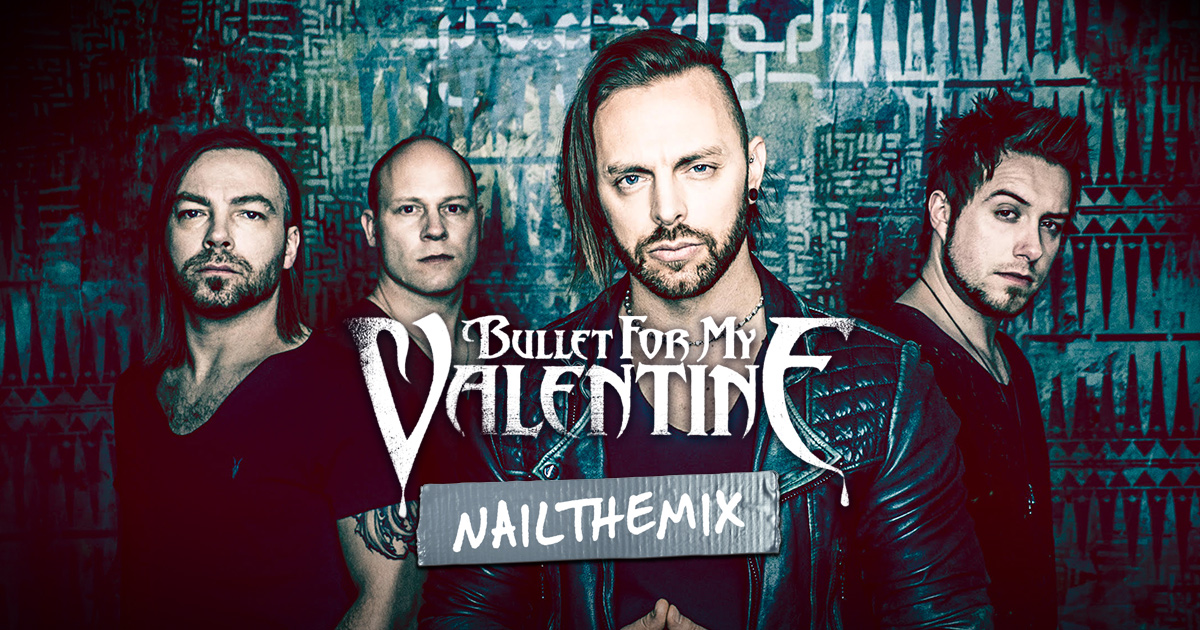
Bullet For My Valentine has a sound that is undeniably massive. Polished, aggressive, and incredibly tight, their songs are a masterclass in modern metal production. Ever wonder what goes into a mix like that? We got our hands on the raw, unedited multi-tracks for their track “Over It” – produced, engineered, and mixed by the legendary Carl Brown – and the session is a goldmine of production genius.
Let’s tear into these tracks and see what makes a BFMV song hit so hard, from the meticulously crafted drums to the wall of guitars and complex vocal stacks. This isn’t just about levels and panning; it’s about the strategic decisions made at the source that set the mix up for success.
Building the Foundation: Drums That Hit Like a Ton of Bricks
Right off the bat, the session is perfectly organized, with markers for every section and even subtle tempo changes on the choruses to give them a different energy. But the real magic starts when you solo the drum tracks.
That Kick Drum Isn’t a Sample (Here’s Why)
Let’s be real, the kick drum sounds like a perfectly processed sample. It’s got the click, the punch, and the consistency you’d expect from a top-tier library. But it’s not. It’s a real performance, captured with ‘in’ and ‘out’ mics.
So how did they get that sound? It boils down to a core production philosophy: get it right at the source. Carl Brown comes from a lineage of producers who will spend whatever time it takes to get the perfect sound before hitting record. This means hours, or even days, on mic placement until the kick sounds exactly how they want it to sound coming out of the speakers, pre-processing. The bleed you can hear is the giveaway—this is just expert-level drum tuning and engineering.
Creative Room Mics for Ultimate Ambience
Beyond the standard kick, snare (top, bottom, and a “Ringy” sample), and tom mics, the room mic options are where you can get really creative. The session includes:
- Two pairs of stereo rooms
- Stereo overheads
- A “Corner” mono room mic
- A “Ringo” mono room mic
That “Corner” mic is pure gold. Solo’d, it has this awesome, gritty, almost distorted character. This is the perfect candidate for some heavy-handed parallel processing. Imagine slamming it with an 1176-style FET compressor on the “all buttons in” setting or using another aggressive compression tool to bring out all that texture and dirt, then blending it back in under the main kit. You can create a huge, explosive drum sound without sacrificing the transient punch of the close mics.
Crafting a Bass Tone That Cuts and Rumbles
Getting a bass guitar to sit right in a dense metal mix with down-tuned guitars is one of the biggest challenges producers face. The “Over It” session gives you all the tools you need to build a bass tone that is both felt and heard. The bass is split into four distinct tracks:
- Bass DI: The clean, direct signal. Perfect for processing from scratch or keeping a clean sub-bass fundamental.
- Bass Ampeg: A classic, miked amp tone that provides the core character.
- Bass Growl: This is the secret weapon for clarity. It’s a heavily distorted, mid-rangey track that helps the bass cut through the wall of guitars on smaller speakers.
- Bass Sub: A pure sine wave or low-frequency generator that provides consistent, powerful low-end.
Having these four distinct tones gives you incredible flexibility. You can automate the “Growl” track to be more prominent in the choruses for extra aggression and back it off in the verses for a rounder tone. It’s a next-level approach to crafting a dynamic bass sound that serves the song.
Wall of Sound: Dissecting the BFMV Guitars
Of course, it wouldn’t be a BFMV track without an absolute wall of guitars. The session is packed with perfectly recorded rhythm tracks, leads, and layers.
The Rhythm Guitar Core
The main rhythm tracks are tight, aggressive, and surprisingly clean in the low-end. While the session includes DIs for re-amping, the amped tones captured by Carl Brown are so good you’ll probably never touch them. They have all the punch and clarity you could want.
A key move when mixing guitars this heavy is to make space. While these tones are already great, some surgical EQ is still your best friend. Carving out a bit of the low-mids (around 250-400Hz) on the guitars can prevent them from fighting with the bass and kick drum, creating a mix that feels more powerful and less muddy.
Balancing Leads, Rhythms, and Ear Candy
Beyond the rhythm tracks, you have a ton of leads and synth layers. These pads and swells are awesome for adding texture and dimension, but they present a classic mixing puzzle. With the rhythm guitars already taking up so much sonic real estate, your challenge is to blend in these additional layers so they are effective and noticeable without cluttering the mix. This often involves careful EQ, panning, and automation to make them pop out in a specific moment and then tuck back into the mix.
Vocals Front & Center: The Final Challenge
The vocals in “Over It” are incredibly dynamic, ranging from melodic singing to aggressive screams. The session gives you everything, with layers upon layers to create that huge, polished vocal sound.
A Stack of Vocal Layers
You’re not just working with one lead vocal track. You have:
- A main lead vocal
- Doubles for nearly every line
- Quad-tracked screams for massive impact
- Intricate harmony stacks
- A dedicated “Pedal Vox” effects track
That “Pedal Vox” track is a cool production trick. It’s a parallel effect run alongside the main vocal, adding a swirly, modulated character that gives the vocal its signature sheen and helps it sit in the mix. It’s more interesting than a simple delay or reverb and adds a professional polish that makes the vocal pop.
The Ultimate Balancing Act
With a mix this dense, the final and most important challenge is keeping the vocals locked in front and center. Every element—the pounding drums, the four-layered bass, the wall of guitars, the synth textures—is fighting for space. Making sure the lead vocal, doubles, screams, and harmonies all have their place and deliver an emotional impact is what separates a good mix from a great one.
Bullet For My Valentine on Nail The Mix
Carl Bown mixes "Over It"
Get the Session
Analyzing these professional tracks is one thing, but getting your hands on them and mixing them yourself is where the real learning happens. These techniques, from creative room mic blending to multi-track bass and vocal layering, are staples of modern metal production.
If you want to see exactly how a pro like Carl Brown tackles a mix this complex, Nail The Mix gives you a front-row seat. You can get these exact multi-tracks and watch Carl mix “Over It” from scratch, explaining every plugin, every fader move, and every decision along the way. Stop guessing and start learning from the best in the business. And while you’re at it, check out our free mixing resources to level up your sound today.
Ready to take on the challenge? Download the Bullet For My Valentine multi-tracks and show us what you’ve got.