How Bob Rock Creates Iconic Metal Mixes
Nail The Mix Staff
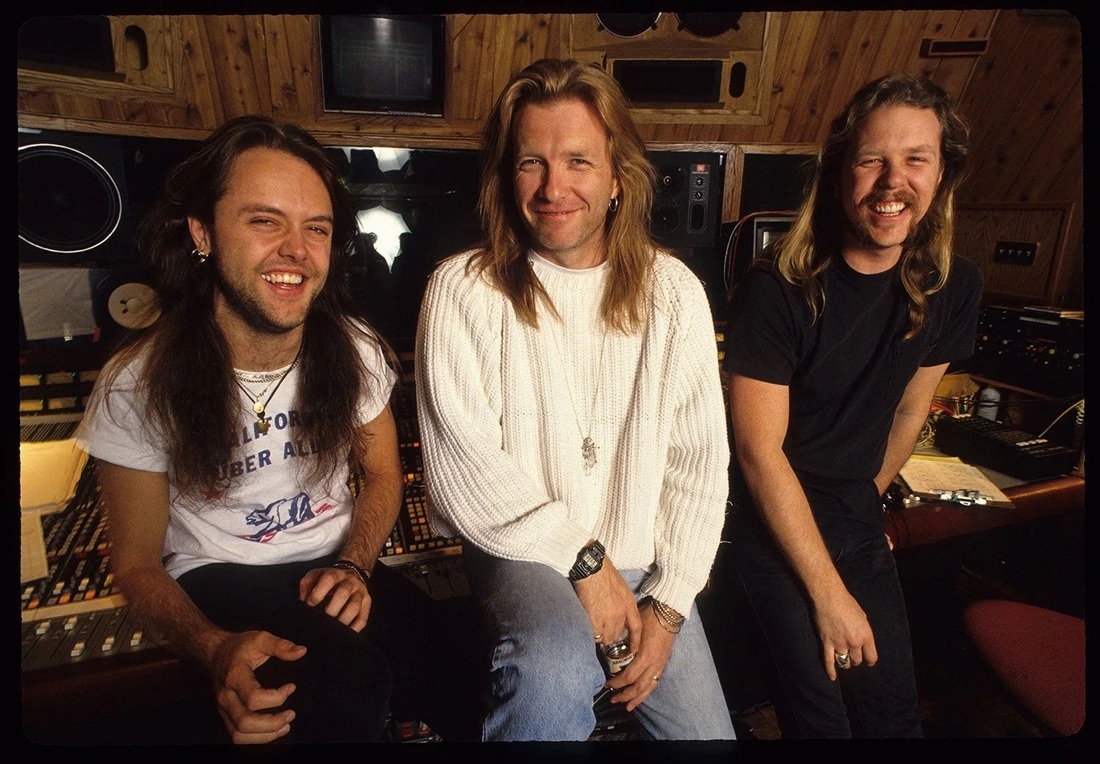
When you think of the single biggest sonic shift in heavy metal history, Metallica’s self-titled record, aka "The Black Album," has to be at the top of the list. That album didn't just sell millions of copies; it completely redefined what a mainstream metal record could sound like. It was polished, punchy, and monumentally huge. The man behind that board? Bob Rock.
Rock’s genius was taking the raw aggression of bands like Metallica and Mötley Crüe and giving it an arena-sized, hi-fi finish without losing the power. He’s the guy you call when you want your record to sound expensive, powerful, and undeniable.
So how did he do it? It’s not about one magic plugin or a single piece of gear. It’s a complete philosophy built around layering, performance, and paying insane attention to how instruments fit together. Let's dive into some of the core techniques Bob Rock used to build his signature wall of sound.
Profile: The Man Who Polished Metal's Biggest Records
Before becoming metal’s go-to producer in the 90s, Bob Rock was already a seasoned engineer and musician, working with bands like Bon Jovi on Slippery When Wet and The Cult on Sonic Temple. This background in huge-sounding rock was the perfect foundation. When he linked up with Mötley Crüe for Dr. Feelgood, he created a slick, powerful, and commercially massive album that set the stage for his work with Metallica.
His run with Metallica—from The Black Album through St. Anger—is legendary. He pushed the band to focus on songwriting, groove, and a different kind of heaviness. While his methods were sometimes controversial, the results spoke for themselves. He brought a level of sonic detail and low-end clarity to metal that was simply unheard of at the time, a philosophy of meticulous production shared by modern titans like Jens Bogren.
Building the "Wall of Sound" The Bob Rock Way
The core of the Bob Rock sound is a massive, widescreen guitar and bass foundation. It’s not just loud; it’s deep and wide. This comes from a meticulous approach to tracking.
More Mics, More Layers, More Power
Forget just sticking a single Shure SM57 on a cabinet. A classic Bob Rock technique involves using multiple microphones on a single amp and blending them to create one composite tone.
The Classic Combo
- Shure SM57: The industry standard for a reason. Positioned right on the grille, pointed at the edge of the speaker cone's dust cap. This captures the aggressive midrange bite and attack.
- Sennheiser MD 421: Often placed right next to the 57. The 421 has a different character, often providing more low-mid body and a slightly smoother top end. Blending this with the 57 fills out the sound.
- A Condenser Mic: This is a key part of the "hi-fi" sound. A large-diaphragm condenser like a Neumann U 87 or AKG C414 placed one to three feet back from the cabinet captures the "air" and dimension of the amp moving in the room.
By blending these three mics, you’re not just EQing a single source; you’re building a rich, complex tone from the ground up before you even touch a plugin. The 57 gives you the punch, the 421 gives you the body, and the condenser gives you the space. This approach laid the groundwork for other famous multi-mic setups, like the legendary Fredman technique used for iconic Scandinavian metal tones.
The Art of the Guitar Blend: Panning and Layering
Bob Rock is a master of layering guitars. We're not just talking about quad-tracking the same performance with the same amp. We're talking about "tone stacking."
He’d often have players record rhythm parts using entirely different amp setups. For example:
- Layer 1 (L/R): The foundational tone, maybe a classic Mesa/Boogie Dual Rectifier for that deep, saturated chug. Panned hard left and hard right.
- Layer 2 (L/R): A brighter, more mid-focused tone, like a modified Marshall JCM800. This layer adds the aggressive "kerrang" and helps the guitars cut through. This might be panned hard left and right as well, or tucked in slightly at 90%.
By using different amps, you create layers that complement each other's frequencies instead of just building up mud. The Marshall fills in the midrange gaps left by the scooped Mesa, creating a singular guitar sound that is simultaneously huge and clear.
Bass as a Foundational Weapon, Not Just Low-End
Listen to "Sad But True." The bass isn't just following the guitar; it’s a co-lead instrument. Bob Rock understood that the bass guitar is where a huge amount of a metal track’s power comes from, especially in the low-mids.
A common technique is to split the bass signal:
- The DI Signal: A clean, direct input signal. This is often compressed heavily to provide a super-consistent, solid low-end foundation below 100 Hz.
- The Amped Signal: The signal run through an amp (like an Ampeg SVT) and miked up. This provides the character, the grit, and the crucial midrange (400 Hz – 1 kHz) that helps the bass cut through on smaller speakers and be heard alongside the guitars.
You blend these two signals to get the best of both worlds: the clean, deep foundation from the DI and the aggressive character from the amp. The goal is to perfectly balance the bass and guitars so they work together to create an immense foundation.
The "Hi-Fi" Polish: EQ and Compression
Tracking is only half the battle. The mix is where that classic Bob Rock polish gets applied, turning great raw tracks into a finished record.
Surgical EQ for Clarity, Not Just Scooping
While a mid-scoop is a staple of metal, the Bob Rock sound is more about surgical clarity. Instead of just carving out a huge chunk at 500 Hz, it’s about making very specific, narrow cuts to get instruments to sit together perfectly. This means finding the exact frequency where the bass guitar’s "clank" lives and giving it a small boost, while finding the "mud" frequency in the guitars (often around 250-400 Hz) and making a precise cut. This approach keeps the weight of the instruments intact while creating space for everything.
Strategic Compression for Punch and Control
Bob Rock’s mixes are dynamic, but they're also incredibly controlled. The drums punch through, guitars feel solid, and the vocals sit right on top. This is achieved through smart compression. On a guitar bus, a compressor with a medium attack and fast release (like the classic SSL G-series Bus Compressor favored by mix legends) can glue all the guitar layers together and make them feel like a single cohesive unit. It evens out the performance without squashing the life out of it.
Putting It All Together
The Bob Rock sound isn't a preset. It's a mindset that involves:
- Building tones with multiple mics to create a rich starting point.
- Layering different amps to build a full-frequency guitar wall.
- Treating the bass as a powerful midrange instrument, not just sub-bass.
- Using surgical EQ and strategic compression to make everything fit perfectly.
These are techniques you can start applying in your DAW right now. But seeing how modern masters apply these same principles to today's productions is a total game-changer.
Imagine getting the actual multitracks from bands like Gojira or Lamb of God and watching the producer who mixed the record rebuild it from scratch, explaining every single move. That’s what we do at Nail The Mix. You can explore our entire catalog of past mixing sessions and learn directly from the best Nail The Mix instructors in the business. It’s your chance to see how the pros take these foundational ideas and turn them into chart-topping metal.