
The Best STL Tones Plugins For Metal
Nail The Mix Staff
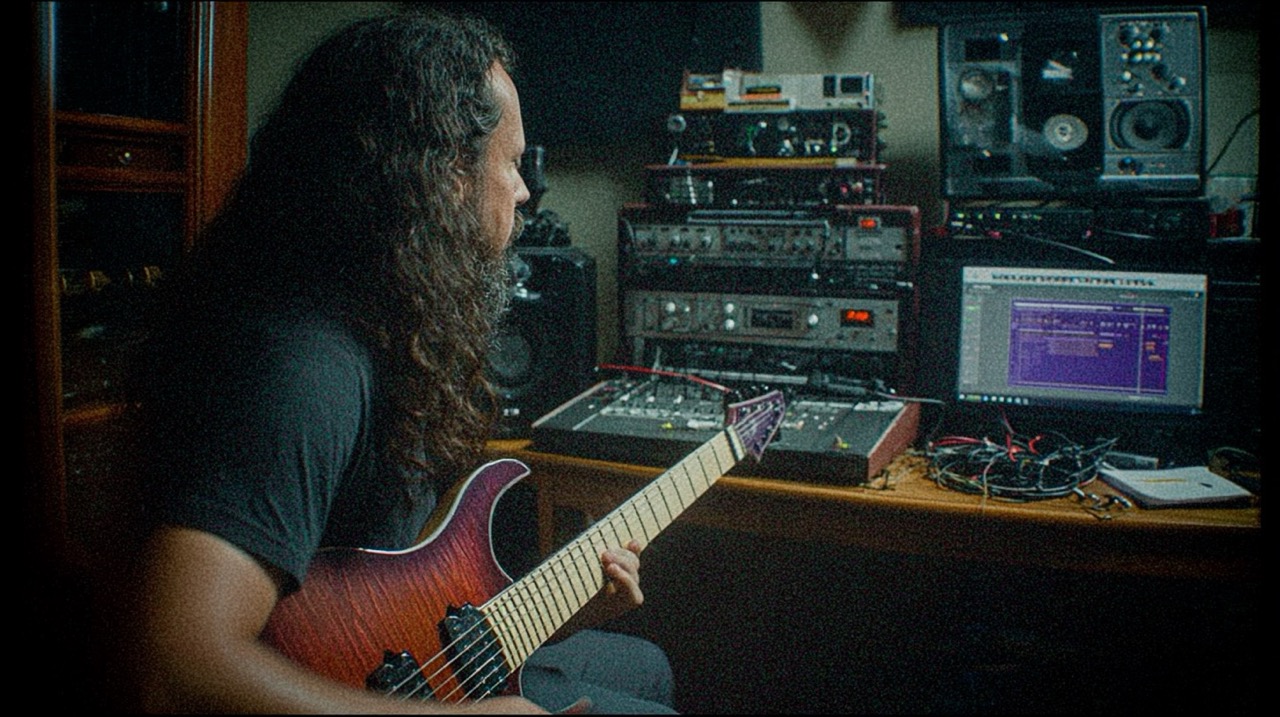
STL Tones has carved out a serious reputation in the modern metal production world. From their tools for crafting modern heavy metal guitar tones to producer-designed suites, their tools are all over records you love. But with a growing catalog, which ones should you actually focus on? And more importantly, how do you use them to get a killer sound without just sounding like everyone else?
Let's cut to the chase: the plugins you use matter, but only to a point. If you’re after a specific guitar sound, then yeah, the amp sim you choose is a huge deal. But when it comes to general tools like EQ or compression, it's less about which specific plugin you use and more about the skills you have to wield it.
Too many producers get caught in the "Plugin Acquisition Syndrome" trap, thinking the next VST plugin purchase will magically fix their mixes. It won't. What will? Understanding your tools inside and out and making a few smart choices.
Here’s a breakdown of the best STL Tones plugins and, more importantly, how to think about them in a professional workflow.
The Core of Your Tone: AmpHub & ToneHub
This is the heart of the STL brand and where most metal producers start. While both are designed to deliver massive guitar tones, they serve slightly different purposes.
STL ToneHub: Instant Access to Pro Tones
Think of ToneHub as a massive library of perfectly captured, mix-ready guitar and bass tones from an insane roster of world-class producers. We’re talking about tones crafted by people like Will Putney, Howard Benson, and Dan Korneff. You load the plugin, pick a preset, and you instantly have the exact amp, cab, pedal, and post-processing chain they used.
When to Use ToneHub:
ToneHub is all about speed, consistency, and getting a proven, professional starting point. It's perfect for:
- Writing & Demoing: Quickly pull up a killer tone so you can focus on the performance, not endless tweaking.
- Reamping DIs: When you get DI tracks that need a professional touch, ToneHub gives you an arsenal of sounds that are known to work in a dense mix.
- Finding a Benchmark: Not sure what kind of tone the song needs? Cycle through producer packs to get inspiration and find a sonic direction.
Some people worry that using presets from ToneHub will make their music sound generic. Don't fall for that. The amp sim is just one part of the equation. The player, the guitar, the pickups, the level you hit the input at, and how you process the tracks in the mix—all of these variables ensure your final sound will be your own. Your taste and decisions are what make you unique, not the tools you start with.
STL AmpHub: The Ultimate Virtual Rig Builder
If ToneHub is about using finished presets, AmpHub is about building your own rig from the ground up. It’s a modular platform where you can mix and match dozens of virtual amps, cabs, pedals, and effects. Want to run a 5150-style amp through a Mesa-style cab with a classic Tubescreamer in front? No problem.
Getting the Most out of AmpHub:
- Gain Stage Properly: How hard you hit the input of the amp sim drastically changes its character. Don’t just dime the gain on the amp model; adjust your DI’s input level into the plugin for the right amount of saturation and response.
- Experiment with Cabs & Mics: The cabinet and microphone simulation is arguably more important than the amp model itself. AmpHub comes with a huge collection of cabs and mics, but don’t be afraid to load your own third-party Impulse Responses (IRs) to find the perfect pairing for your amp.
- Use the Stompbox and Effects Sections: The built-in pedals aren’t just for show. Use the gate to tighten up chugs, the overdrive to boost and shape the midrange before the amp, and the post-FX like EQ and delay to polish the tone right inside the plugin.
AmpHub is for the tweakers—the producers who want to craft a truly custom sound and have control over every single element in the signal chain.
Beyond the Amp: Essential STL Processing
While known for guitar tones, STL offers a suite of powerful processing plugins that can be used across your entire mix.
Will Putney Tonality Suite
This plugin sits somewhere between the worlds of ToneHub and AmpHub. It’s a signature, all-in-one suite designed by producer Will Putney (a frequent Nail The Mix instructor) that gives you his entire guitar and bass signal chain in a single plugin. You get his go-to amp models, custom cab captures, and the exact pedal and post-processing settings he uses on records for bands like The Acacia Strain, Every Time I Die, and Knocked Loose.
It offers the "instant pro sound" of ToneHub but with the deep tweakability of AmpHub, making it a powerful and efficient tool for getting a specific modern metal sound.
STL ControlHub
ControlHub is STL's take on the ultimate channel strip, combining modules for EQ, compression, saturation, and stereo widening into one interface. It’s designed to be a one-stop-shop for processing a track from start to finish.
This is where the "skills over tools" philosophy really comes into play. Is ControlHub a fantastic plugin? Absolutely. But will it get you a better result than using a separate FabFilter Pro-Q 3 and a 1176 emulation? Not if you don’t know what you’re doing. The key is to use the tool that lets you make the best decisions quickly. If ControlHub's workflow clicks with your brain, it can seriously speed up your mix process. If you're more comfortable with your existing plugins for EQing metal guitars or applying heavy metal compression, stick with what you know.
Workflow & The "Plugin Acquisition" Trap
Having great tools is one thing; knowing how to integrate them is another. Here are a couple of pro-level considerations.
A Note on Latency and Phase
Every plugin you add to a channel introduces a small amount of processing delay, or latency. Most modern DAWs have Automatic Delay Compensation (ADC) to handle this, but it’s not always perfect. This is especially critical when doing parallel processing.
For instance, if you send your DI guitar track to two different amp sims on two separate aux tracks, and one plugin has more latency than the other, you’ll get nasty phasing and comb filtering when you blend them. This is why many old-school Pro Tools users were notoriously careful with parallel processing—the delay compensation engine used to be unreliable.
Be mindful of this. When using multiple high-latency plugins in parallel, zoom in on the waveforms or use a phase correlation meter to make sure everything is lining up correctly.
Your Sound is YOURS, Not Your Plugins'
Ultimately, don't get hung up on what plugins everyone else is using. You could give a hundred of the world's best chefs the exact same ingredients, and you’d get a hundred different amazing dishes. Mixing is no different.
Your unique taste—formed by every song you've ever loved—is what guides your decisions. Focus on improving your craft and your listening skills. Your unique sonic signature will come through naturally because you literally can't be anyone but yourself.
Instead of chasing the next shiny plugin, invest that time and energy into learning how the pros make their decisions. Watching an expert dial in a tone, automate an EQ, and solve a mix problem in real-time is where the real growth happens.
If you’re ready to see how world-class producers use tools like these to create massive-sounding records, check out the Nail The Mix sessions catalog. You get the raw multitracks from real songs and watch the original producer mix it from scratch, explaining every single move. It’s the ultimate way to level up your skills.