Download Bloodbath “Zombie Inferno” raw multi-tracks
Nail The Mix Staff
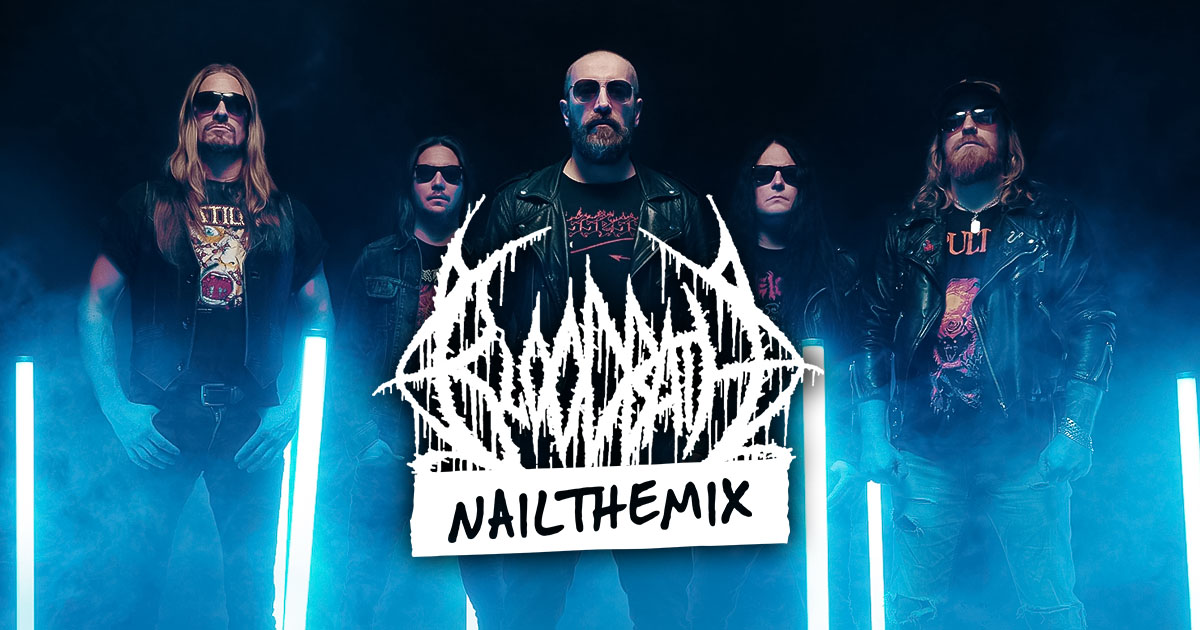
Let’s cut right to it—Bloodbath is a force of nature. Their track “Zombie Inferno” is a masterclass in modern death metal with a heavy dose of ’90s thrash worship. It’s raw, ferocious, and impeccably produced by the one and only Lawrence McCrory. When we got to unbox the raw multi-tracks for this monster of a song, we discovered a ton of killer production choices and mixing challenges.
If you want to create that kind of brutal, yet clear, metal mix, it starts with the raw tracks. Let’s dig into what makes this session so special and the techniques you can steal for your own productions.
Crafting Bloodbath’s Monstrous Quad-Tracked Guitars
The guitar assault in “Zombie Inferno” is relentless, built on a foundation of quad-tracked rhythms that are both massive and articulate. Here’s how that sick tone is constructed.
The Power of Tone Carving
Instead of just layering four identical guitar tones, Bloodbath uses a brilliant “tone carving” strategy. The quad-track setup consists of two distinct pairs of tones:
- The Scoop Tone: One pair is a brutally scooped, classic death metal tone. Think tight low-end chug and aggressive high-end bite, with the mids pulled back to make space.
- The Mid-Range Tone: The second pair is a mid-range focused tone. This is the secret weapon that fills in the frequencies the scooped tone leaves behind, adding body, warmth, and preventing the guitars from sounding thin or hollow.
When you blend these two tones, you get the best of both worlds. The scooped tone provides the aggression and clarity for fast riffs, while the mid-range tone adds the weight and power. It’s a perfect example of building a complex sound from simple, complementary parts. Mastering this kind of blending is key, and it all comes down to knowing exactly how to EQ metal guitar to make each layer count.
A Center Guitar? Breaking the Mold
Here’s something you don’t see every day. In addition to the hard-panned quad-tracked rhythms, there’s a fifth guitar track panned directly up the center. This track primarily uses the more mid-heavy tone.
Why do this? Often, producers use a heavily distorted bass top-end to fill the center of a mix and connect the left and right guitars. By using an actual guitar in the middle, Bloodbath creates a solid wall of sound that’s all guitar, giving the mix a unique and incredibly powerful character. It’s a bold move that pays off, adding extra punch and aggression right where you feel it most. This kind of aggressive panning strategy is a hallmark of modern metal production.
Building a Punishing Rhythm Section
Behind the guitars, the bass and drums provide a foundation of pure fury. The recordings are so good that they pose a unique challenge: how do you enhance them without ruining the magic?
Taming the Bass: DI, Distortion, and Phase
The bass tone is a multi-layered beast. The session includes a clean DI track, a track processed with a Darkglass B7K for that signature clank and grind, and another processed with what sounds like Neural DSP’s Parallax for layered distortion.
This is a classic modern metal bass setup, but it comes with a critical warning: check your phase. When you send a DI signal out to be re-amped or processed through plugins, latency can cause the new track to be slightly out of sync with the original DI. Looking at the waveforms, you might see they don’t line up perfectly. Nudge the processed tracks a few milliseconds forward or backward and listen carefully. When they lock into phase, the low-end will suddenly sound fuller and more powerful. Learning to handle these complex tones is a core skill, and it starts with a solid foundation in recording metal bass guitar for maximum clarity and grit.
The Case for Sample-Free Drums
These drums, recorded in the drummer’s home studio, sound absolutely phenomenal. The playing is top-tier, with incredibly consistent velocity and dynamic control, especially on the snare and tomhttps://www.youtube.com/watch?v=tFDs3NRrEOMs. The kick is tight and clean—so well-recorded and possibly gated that you could easily get away with using it raw, no samples needed.
This presents a great challenge: can you make a world-class mix without drum samples? When the source tones are this good, you absolutely can. The art of mixing drums in modern metal often starts with deciding how much of the natural performance to keep. The signal-to-noise ratio is fantastic, thanks to a drummer who knows how to hit hard and consistently. The lesson here is that a great performance is the best tool for a great recording.
Essential Drum Mixing Checks
A couple of quick but vital things to check:
- Snare Phase: With top and bottom snare mics, always check the polarity. Flip the phase on the bottom mic and see which position gives you more low-end body. In this case, the original phase sounded best, but you should always make it a habit to check.
- Creating Ambience: The session lacks dedicated room mics, which suggests a smaller, controlled recording space. For this fast, thrashy style, a dry, in-your-face drum sound works perfectly. But if you want to add some space, you’ll need to create it yourself. Using reverb to generate a believable room tone can give the kit a sense of space without washing it out.
Making Guttural Vocals Cut Through the Chaos
The vocals on “Zombie Inferno” are not your typical high-projection screams. The style is more of a gritty, energetic, “heavy spoken word” delivery. These raw vocal tracks came in completely uncompressed, which presents a big mixing challenge.
Without the natural compression that comes from a full-throated scream, the dynamic range is huge. Your job is to make the vocals sit upfront and sound powerful without crushing the life out of them. This is where your compression skills are truly tested. You’ll likely need multiple stages of compression—one to catch the peaks, another for overall level consistency—to get them loud, clear, and aggressive enough to slice through the dense wall of guitars. If you struggle to get vocals to sit right, learning how to mix vocals that can survive a brutal instrumental is essential.
The “Zombie Mob” and Other Production Gold
What elevates a track from good to great is often the character and creativity baked into the production. This track is loaded with it. From the “Zombie Mob” gang vocals in the bridge to the VHS tape sound effect in the intro, these elements give the song a unique identity and show the band is having fun. Don’t be afraid to get creative with sound design in your own work—it’s these moments that make a song memorable.
The biggest takeaway from this session is that when you start with expertly performed and recorded tracks, your job as a mixer is to enhance, not to fix. The challenge is to add your touch and bring everything into focus without overprocessing and killing the raw energy. It’s the core challenge of modern metal mixing and mastering.
Bloodbath on Nail The Mix
Lawrence Mackrory mixes "Zombie Inferno"
Get the Session
Want to get your hands on real multi-tracks like these every single month and learn directly from the producers who recorded them? With Nail The Mix Sessions, that’s exactly what we do. You get to download pro multi-tracks from bands like Bloodbath, Gojira, and Lamb of God, watch the original producer mix the song from scratch, and then mix it yourself to build your skills and your portfolio. It’s the ultimate way to stop guessing and start crafting mixes that truly stand out.