Dialing in a MASSIVE Meshuggah bass tone (w/ Daniel Bergstrand)
Nail The Mix Staff
Let’s face it, the low-end in a Meshuggah track is a force of nature. While those groundbreaking, polyrhythmic guitar riffs get a lot of the glory, the bass tone is the unsung hero that provides the colossal weight and subterranean punch. But in a mix that dense, how do you make a bass heard and felt without turning everything into a muddy mess?
We dug into a session with legendary producer Daniel Bergstrand to see exactly how he sculpted the monstrous bass tone for one of metal’s most influential bands. Spoiler: it’s not about finding one magic plugin. It’s a masterclass in strategic EQ, signal blending, and understanding how the bass must interact with brutally heavy guitars. Let’s dive into how he took a great initial tone and made it downright punishing.
The Foundation: A Dual-Signal Setup
Before a single plugin is opened, the foundation has to be solid. In modern metal production, that often means capturing more than just one signal for the bass. Daniel worked with two core components: a clean DI signal and a miked-up amp signal.
This dual approach is a studio staple for a reason:
- The DI (Direct Input): This gives you the pure, uncolored sound of the bass straight from the instrument. It’s perfect for retaining a clean and powerful low-end foundation. It’s the weight.
- The Amp: This is where the character, grit, and midrange aggression come from. The amp provides the audible “voice” of the bass that helps it cut through the mix. It’s the edge.
By processing these two signals separately and blending them, you get the best of both worlds: the clean, fundamental power of the DI and the aggressive personality of the amp.
Building the Weight: Processing the DI Signal
Daniel’s first goal was to ensure the bass filled the low-end space properly, especially because he had carved out some low frequencies from the guitars to create clarity. The DI signal was the main tool for this job.
Compensating for the Guitars
To make room for the bass, the guitars had a low-cut applied around 60Hz. To fill that newly created space, Daniel did the exact opposite to the bass DI: he added a significant boost in the low end. He specifically targeted 60Hz and even a bit lower around 40Hz to add that foundational rumble and power back into the mix. This is a perfect example of relational mixing; the EQ move on one instrument directly informed the move on another.
Carving Out the Mud
While boosting the lows, it’s crucial to remove frequencies that cause a “clumsy” or “boxy” sound. For the Meshuggah bass DI, the primary culprit was around 400Hz. Daniel used a surgical EQ cut, pulling a lot of that frequency out. This instantly cleans up the tone, removing the muddiness and allowing the pure low-end and the aggressive midrange to shine without interference. Interestingly, he also made a small cut around 1k on the DI, reserving that frequency space for the amp signal to dominate.
Shaping the Amp: Finding the Character
With the DI holding down the fort on the low-end, the amped signal was all about character and cut. The goal here was to find the one frequency that would make the bass “shine through the whole time,” ensuring every note from Dick Lövgren’s monstrously precise playing was heard.
The Critical Mid-Boost
The key move on the amp tone was a focused boost in the midrange, right around 1kHz. This frequency is where the metallic “clank” and string attack live. By boosting it, the bass gains a percussive edge that lets it slice through even the most saturated guitar tones.
This wasn’t just a broad, sweeping boost. Daniel carefully “hunted” for the exact sweet spot, listening intently to find the precise frequency that added the most definition without sounding harsh. This is a vital part of effective EQ strategy; it’s about listening and finding the pocket that serves the song.
Bringing It All Together
By combining these two carefully sculpted signals, the final bass tone is a monster of a completely different sort:
- The DI provides the immense, clean low-end weight, filling the sonic void left by the high-passed guitars.
- The Amp provides the aggressive, clanky midrange that allows the bass to be heard and understood within the mix.
Once the tone is dialed in, you need to ensure it sits consistently. Taming the dynamic range of a powerful bass performance, especially the low end, is key. This is where you might apply some targeted processing to keep every note hitting with impact, often using specific metal compression secrets to maintain power without letting the low-end get out of control.
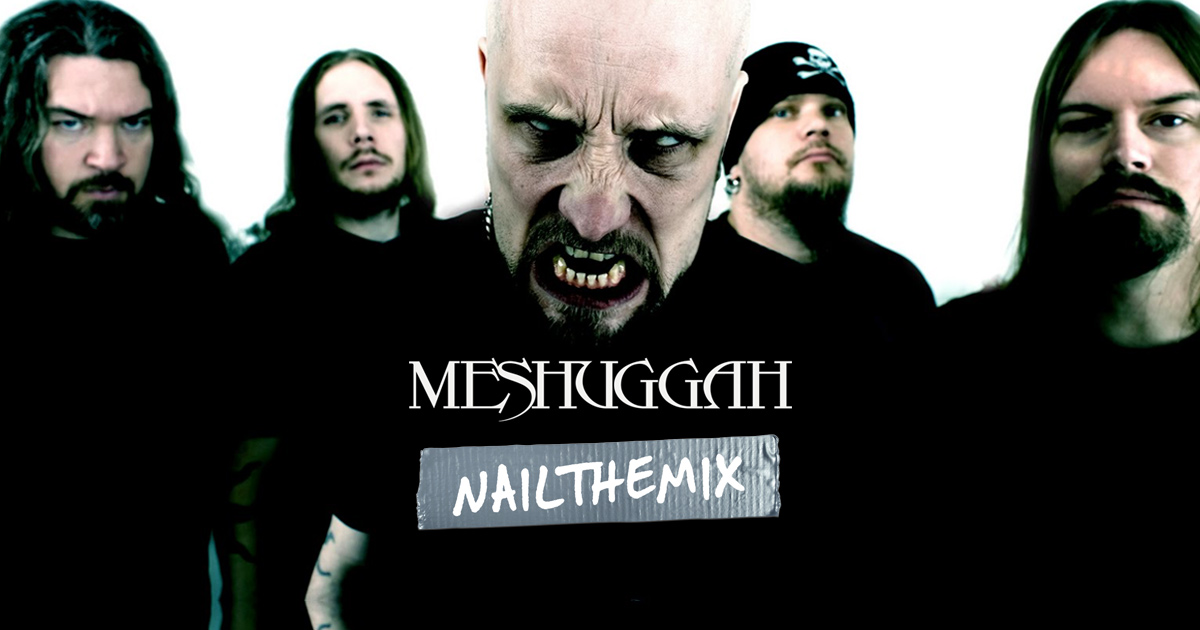
Meshuggah on Nail The Mix
Daniel Bergstrand mixes "Future Breed Machine"
Get the Session
These techniques are powerful concepts you can apply to your own mixes right now. But seeing the theory is one thing—watching a master like Daniel Bergstrand actually blend these signals, automate them, and make them sit perfectly with drums and vocals is another level of learning entirely.
In the full Meshuggah Nail The Mix session, you can watch Daniel build this entire mix from the ground up, explaining every single decision along the way. Members of Nail The Mix get the original multi-tracks from bands like Meshuggah, Gojira, and Periphery to practice on themselves. If you want to unlock your sound and move beyond presets, seeing how the pros do it is the ultimate cheat sheet. Get access to the full Meshuggah session here and hear for yourself how this punishing bass tone comes to life.