Is FL Studio Good For Metal? A Producer’s Breakdown
Nail The Mix Staff
FL Studio, formerly known as the legendary Fruity Loops, has a massive user base. It’s famous for being one of the easiest DAWs to jump into, a reputation cemented when artists like Soulja Boy crafted huge hits on it. If you want to throw together beats and get ideas down fast, it's an absolute powerhouse.
But what about for our world? The world of blast beats, 8-string guitars, and guttural vocals. Can you produce a full-blown metal track in FL Studio? And more importantly, should you?
The short answer is… it’s complicated. While you technically can, it’s not built for the job. To understand why, we need to look at the bigger picture of what makes a DAW suitable for heavy music production.
Does Your DAW Choice Really Matter for Metal?
Let’s get this out of the way: on one hand, no. Modern DAWs are all incredibly capable. With enough determination, you can make a killer record in any of them.
However, each DAW has its own DNA—its own strengths, weaknesses, and intended workflow. And when you're deep in a complex metal mix with 150+ tracks, workflow is everything. You can always switch DAWs, but once you’ve learned the shortcuts, built your templates, and gotten comfortable, the motivation to start over from scratch is practically zero.
Our advice? Don’t just use what your friend uses. Download some trials, mess around, and see what clicks. This is a foundational decision for your studio, so be deliberate. Because while any DAW can get you to the finish line, the right one makes the journey a hell of a lot smoother.
FL Studio: Built for Beats, Not Breakdowns
This brings us back to FL Studio. It’s arguably the most popular DAW in the world, but its popularity is concentrated in hip-hop and electronic music for a reason.
Its Strengths: MIDI, Loops, and Speed
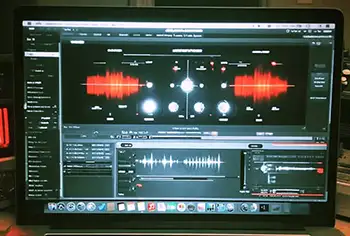
FL Studio's design is brilliant for loop-based and MIDI-centric music. The Channel Rack (or step sequencer) is legendary for quickly programming drum patterns, and its Piano Roll is considered one of the best in the business for writing melodies and chords. It’s designed to get a VST-heavy arrangement going in minutes. This is why it’s the weapon of choice for countless EDM and hip-hop producers.
The Problem with Audio for Metal Production
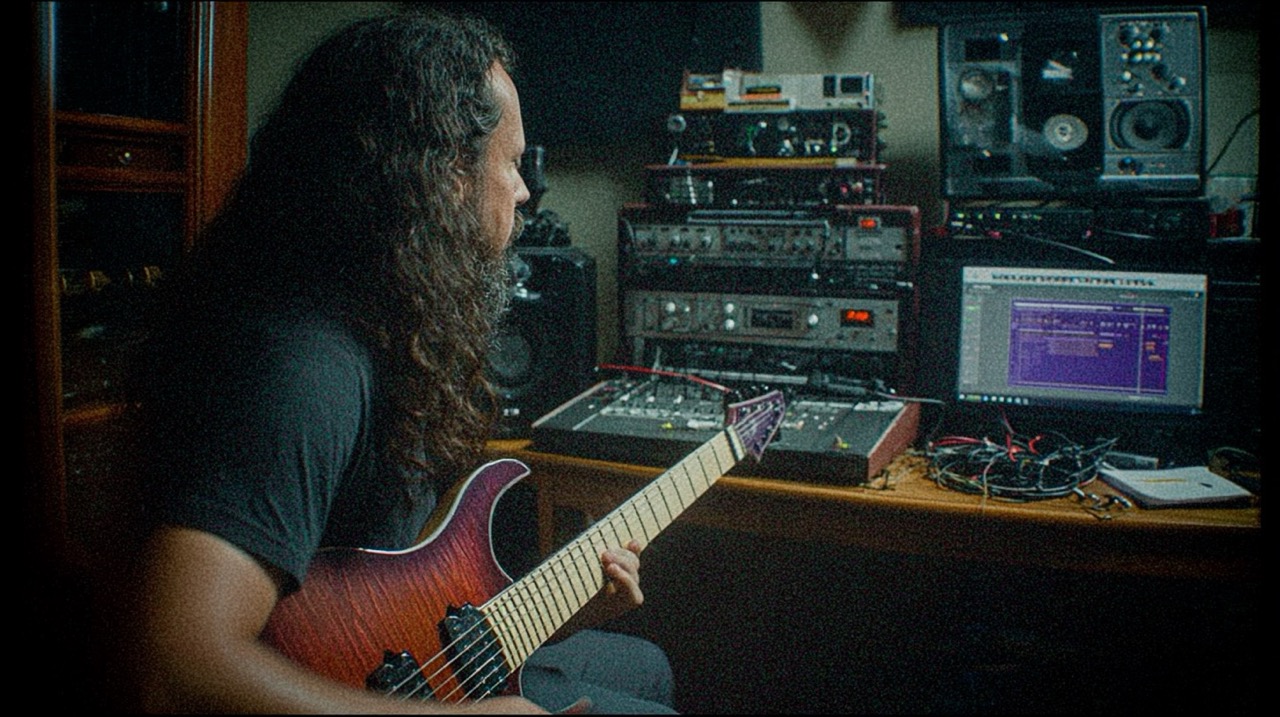
Metal production is, at its core, an audio-heavy process. Think about a typical session:
- A multi-miked drum kit with 12-20 individual tracks.
- Quad-tracked, high-gain rhythm guitars.
- Layered lead guitars, clean tones, and ambient effects.
- A DI, a miked amp, and maybe a distorted parallel track for bass.
- Dozens of vocal tracks for leads, doubles, harmonies, and screams.
This requires a DAW that excels at two things: recording massive amounts of simultaneous audio tracks and, crucially, editing that audio with surgical precision. This is where FL Studio falls short. While it can record and edit audio, its workflow isn't optimized for the kind of intensive comping, sample replacement, and micro-timing edits that are standard practice in modern metal. It treats audio as just another element, not the central focus.
For metal, you need a DAW where audio is the main event.
The Best DAWs for Metal Production: The Top Tiers
If FL Studio isn’t the ideal choice, what is? In the world of rock and metal, a few clear front-runners emerge, each with a dedicated following among the pros, including many of the world-class instructors here at Nail The Mix.
Pro Tools: The Industry Standard
If you walk into a major recording studio in the US, you’ll find Pro Tools. Its strength is its deep-rooted history as a digital tape machine. It's built from the ground up for recording and editing audio, and it does it flawlessly. Features like Beat Detective are legendary for tightening up multi-track drums, and its editing workflow is second to none.
- Weakness: It’s notoriously clunky for MIDI and loop-based writing. If you’re a songwriter who builds tracks with virtual instruments before recording bands, Pro Tools can feel sluggish and unintuitive.
Cubase: The All-Rounder Powerhouse
More common in Europe but rapidly gaining fans everywhere, Cubase is a beast that’s great at everything. It handles heavy-duty audio recording and editing with ease, but it also has incredibly deep MIDI functionality that rivals any other DAW. Steinberg, the company behind Cubase, actually invented the VST plugin format, so you know its pedigree is solid.
- Weakness: The sheer number of features can be overwhelming for new users, and its multiple pricing tiers require careful research to ensure you get the one you need.
Reaper: The Customization King
Reaper has become a massive force in the home studio metal scene. It offers audio editing capabilities that are every bit as powerful as Pro Tools or Cubase, but in a lightweight, affordable package. Its biggest selling point is its insane customizability through scripting and a massive, highly-engaged user community. Plus, its incredibly generous free trial has made it a gateway for countless producers.
- Weakness: You won't find it in many pro studios, so for collaborative projects, you’ll likely be bouncing stems more often than not.
What About Logic Pro and Ableton Live?
- Logic Pro: A fantastic, capable DAW, but with two major caveats for metal producers. First, it’s Mac-only, which can be a deal-breaker for collaboration or for anyone on a Windows machine. Second, its audio editing, while functional, isn’t as fast or fluid as Pro Tools or Reaper for the kind of intense drum editing metal requires.
- Ableton Live: The king of creative electronic production. Its Session View, warping algorithms, and tools like the Drum Rack are unmatched for working with samples and loops. You can record audio in Ableton, but the workflow is not designed for a full band tracking session. We’ve only had one producer on Nail The Mix use it (for the Real Friends session), which tells you how rare it is in this genre.
Final Verdict: Should You Use FL Studio for Metal?
Probably not.
If you’re already an expert in FL Studio and you’re just looking to add a few guitar layers to a project that is otherwise electronic or beat-based, stick with what you know.
But if you are serious about producing full metal bands—recording real drum kits, layering walls of guitars, and editing everything to be tight and powerful—choosing FL Studio is choosing to play the game on hard mode. Your workflow will be slower and more frustrating than it needs to be.
For a smoother, more professional workflow geared specifically for heavy audio, your time is much better invested in Pro Tools, Cubase, or Reaper.
Ultimately, the DAW is just the canvas. The real art is in how you use it. Learning how to dial in devastating guitar tones with surgical EQ for modern metal guitars or applying powerful compression techniques to make your mix punch through the speakers—that’s what separates a demo from a professional release.
Instead of fighting your tools, pick the right one for the job and focus on what really matters: making music. In the Nail The Mix catalog of sessions, you can watch legendary producers use these very DAWs to mix real songs from bands like Gojira, Lamb of God, and Periphery, and get the multitracks to practice on yourself.