How To Get Authentic Metal Drums with the Steven Slate Terry Date Expansion
Nail The Mix Staff
Terry Date’s drum sounds are legendary. From the punishing groove of Pantera’s Vulgar Display of Power to the atmospheric weight of Deftones’ White Pony, his ability to capture raw, punchy, and larger-than-life drum tones is undeniable. So when Steven Slate Drums announced the Terry Date Drums expansion, it was a massive deal for any metal producer.
This isn’t just another sample pack; it’s a toolkit meticulously crafted by a master. But here’s the thing: just loading these samples isn’t enough. We’ve all heard modern metal productions suffering from the same issues—drums that sound fake, programmed, and lifeless. Like plastic toys in a vacuum.
The Steven Slate Terry Date Drums expansion can give you that iconic power, but only if you use it right. Let’s dive into what makes this pack special and, more importantly, how to use it to create drum tracks that feel human, aggressive, and ready to dominate a mix.
What’s In The Terry Date Drums Expansion?
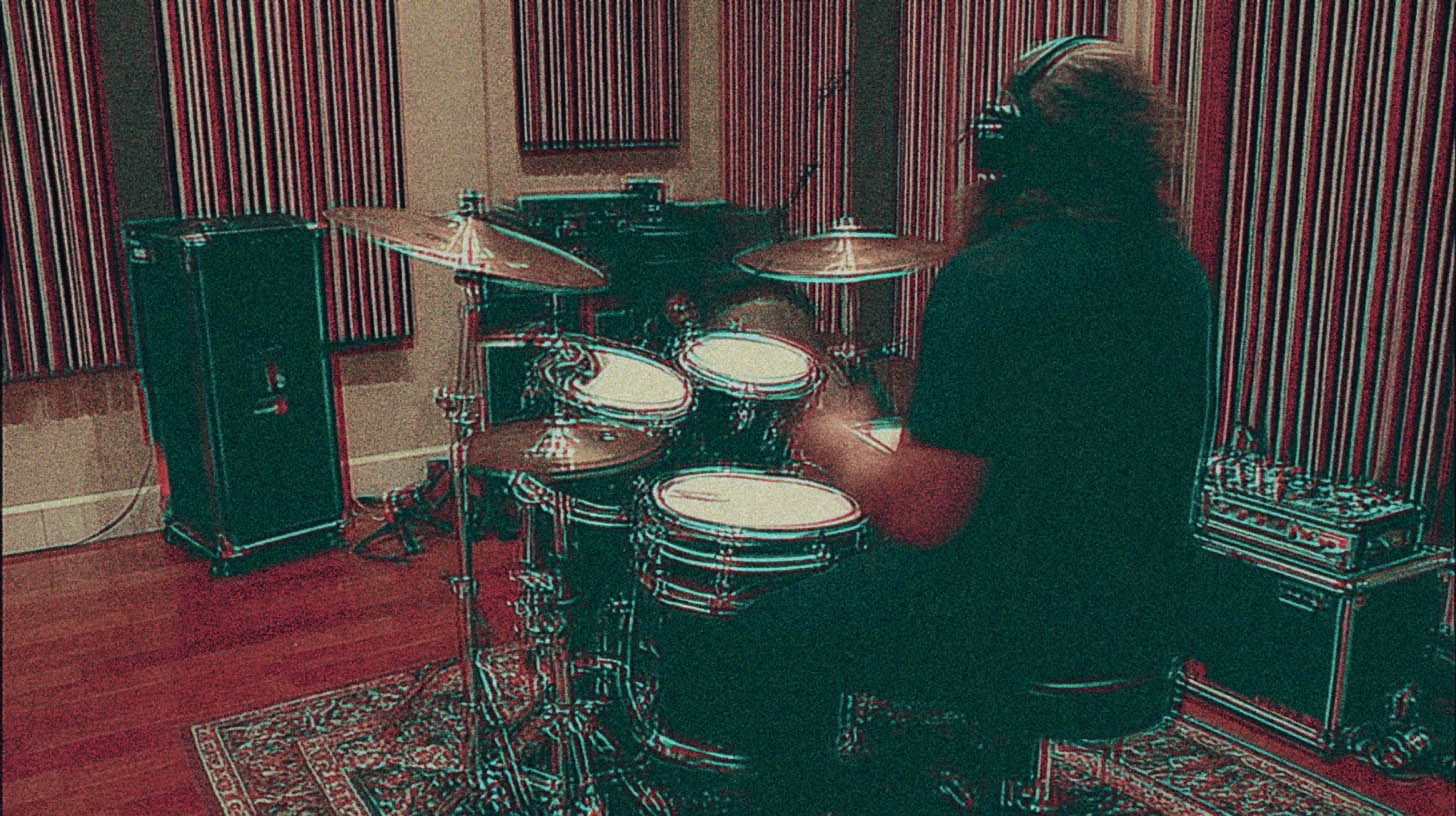
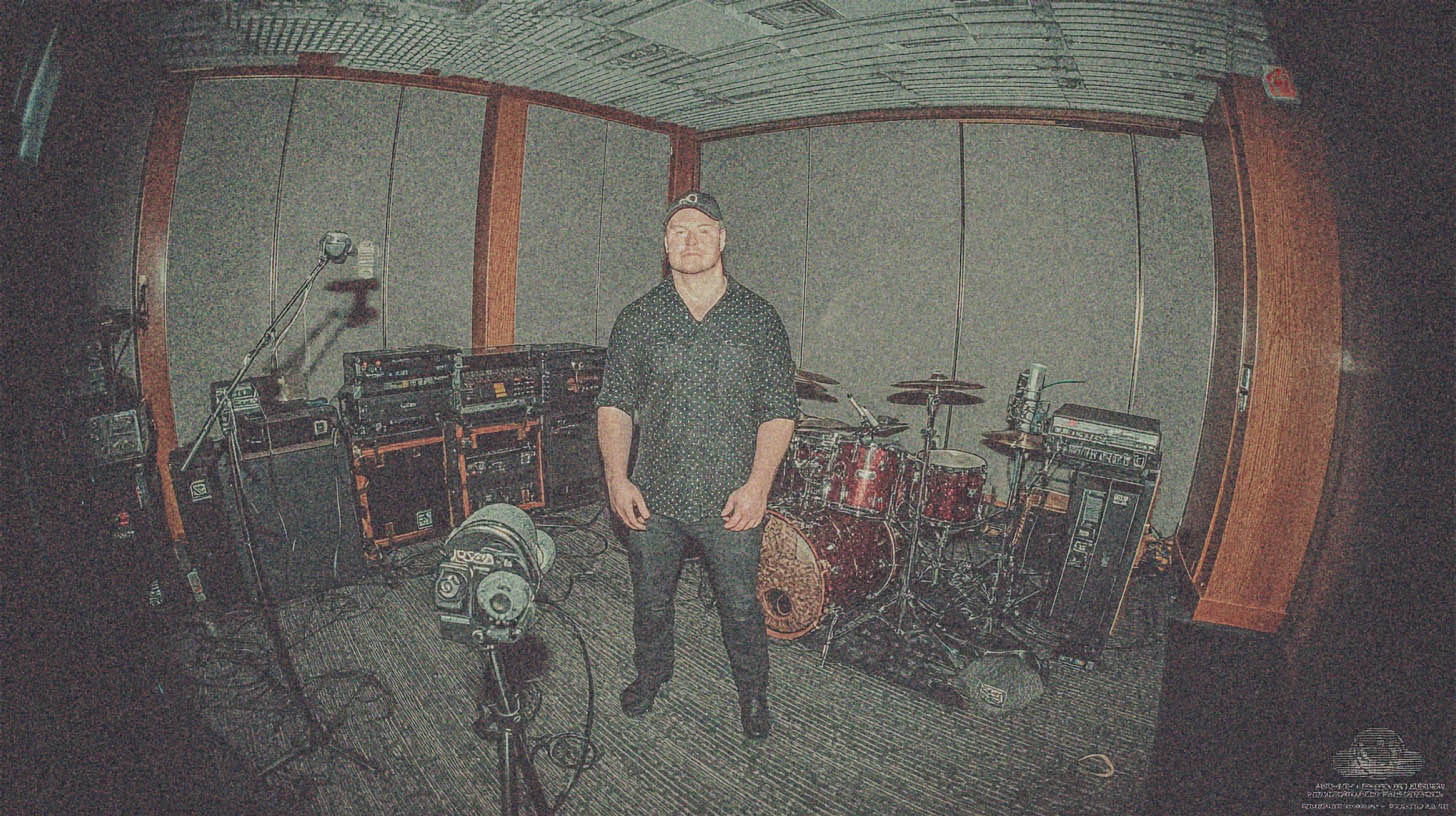
First, let’s look at what you get. Terry Date and Steven Slate captured an insane collection of drums at Henson Studio A, known for its killer live room. The pack includes:
- Two Mammoth Kits: A Gretsch kit and a Tama kit, each offering distinct tonal flavors. think of the Gretsch for more vintage, open tones, and the Tama for that tight, modern attack.
- Tons of Snares: Including Terry Date’s personal 1980s Tama Bell Brass snare—a true piece of metal history.
- Zildjian Cymbals: A full array of crashes, rides, chinas, and hats to cover any style of metal.
What really sets this expansion apart is that every sample is pre-processed by Terry Date himself using his legendary analog gear. You’re getting his EQ moves, his compression settings, and his “sound” baked right in. This gives you an incredible starting point that already feels mixed and powerful.
The Real Challenge: Making Samples Sound Human
Having killer sounds is only half the battle. The biggest mistake producers make is treating drum samples like a drum machine. If you snap every hit perfectly to the grid and max out the velocity, you’ll end up with that robotic “machine gun” effect, no matter how good the samples are.
The goal is to trick the listener’s brain into believing a real drummer is behind the kit. Human drummers are beautifully imperfect—their timing fluctuates, and no two hits are ever identical in force or placement. Here’s how to inject that humanity into the Terry Date drums.
Velocity is Your Best Friend
Velocity is the most powerful tool for making programmed drums sound real. In a multi-sampled library like SSD, velocity doesn’t just control volume; it triggers entirely different samples. A snare hit at velocity 90 is a physically different and distinct recording from a hit at 127.
Use this to your advantage to add dynamics and realism.
- Breakdowns vs. Blasts: The snare hit in a slow, heavy breakdown should be slamming. Set those velocities high, somewhere in the 120-127 range. But during a fast blast beat, a real drummer has to play lighter to maintain speed. Drop the velocity on those blast beat snare hits to a more realistic 95-110 range. This single change can instantly make your blasts sound more believable and less like a typewriter.
- Ghost Notes: Program in subtle ghost notes on the snare with very low velocities (30-60). These add groove and complexity that makes a performance feel lived-in.
- Humanize Your Fills: Don’t program a drum fill with every hit at max velocity. Vary the velocities of the tom hits. A great drummer will naturally accent certain notes in a fill, so mimic that by making some hits harder than others.
Grid Less, Feel More: Smart Quantization
Quantizing everything 100% to the grid is the fastest way to kill the feel of a drum performance. While metal drums need to be tight, they don’t need to be sterile.
Most DAWs have a "quantize strength" or "quantize percentage" setting. Instead of snapping everything perfectly to the beat at 100%, try setting it to 85-95%. This will tighten up the performance significantly while preserving some of the original human variation. It finds that perfect sweet spot between sloppy and robotic.
For even more feel, try manually nudging key hits. A common trick is to pull the snare hit on beat 2 and 4 just a hair behind the grid. This creates a laid-back, groovier feel that can add immense power to a heavy riff.
Blending and Processing: Integrating Terry’s Sound
While the Terry Date samples are mix-ready, you’ll still need to make them work in the context of your song. This often means smart EQ and compression.
Reinforce, Don’t Just Replace
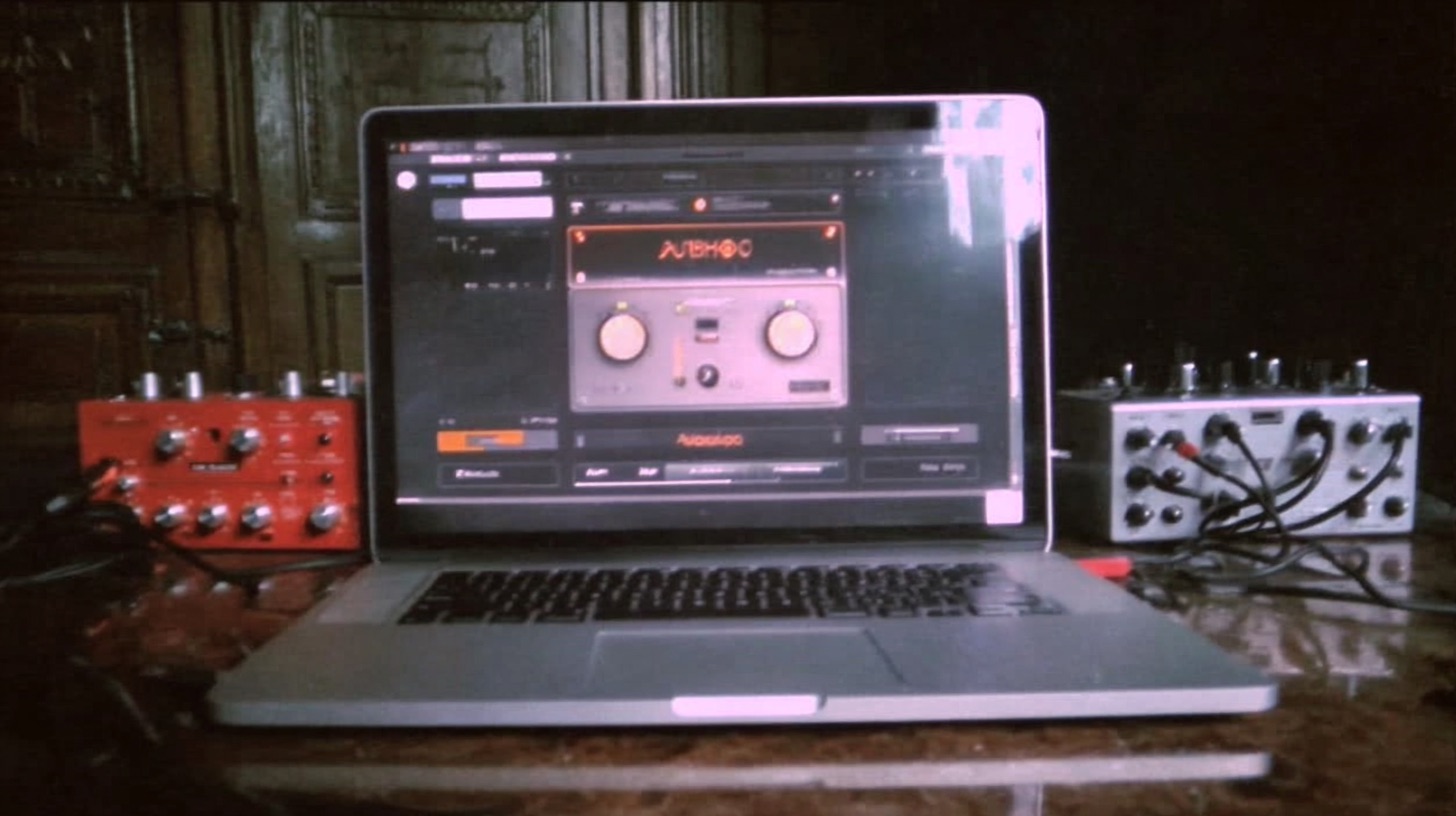
One of the best uses for these samples is to reinforce a live drum recording. If you have a great live performance but the snare lacks punch, use a plugin like Slate Trigger 2 to blend one of Terry Date’s snares underneath the real one. You get the best of both worlds: the human feel of the live performance with the undeniable crack and body of the sample.
EQ and Compression for the Terry Date Sound
Even though the samples are processed, you’ll need to EQ them to fit your mix.
- Carve Space for Guitars: The samples have a lot of body, which is great, but you might need to make some room. A common move is to use a parametric EQ to make a gentle cut in the kick and toms around 300-500Hz. This carving out space for the low-mids of heavy guitars, preventing your mix from turning into mud. Learn more about EQing metal guitars for maximum impact to understand how these elements interact.
- Add Punch with Parallel Compression: For next-level aggression, set up a parallel compression bus. Send your entire Terry Date drum kit to an auxiliary track. On that track, slam the drums with an aggressive FET-style compressor (like a Slate FG-116 or a UAD 1176LN) with a fast attack and release. Then, blend that crushed signal back in underneath your main drum bus. This adds incredible punch and excitement without sacrificing the natural dynamics of the kit. This is just one of many metal compression secrets the pros use.
Learn From The Legends Who Use These Tools
The Steven Slate Terry Date Drums expansion gives you the sounds of an absolute legend. But tools are only part of the equation. Understanding the techniques used by today’s top metal producers is what separates a good mix from a great one.
The instructors at Nail The Mix use tools like Steven Slate Drums every single day to craft the sounds on your favorite records. With a Nail The Mix membership, you don’t just get theory—you get to be a fly on the wall as they mix real songs from bands like Gojira, Lamb of God, and Trivium from scratch, using these exact plugins and techniques.
If you want to see how the pros really build massive, professional-sounding drum tracks from the ground up, check out the full catalog of Nail The Mix sessions. You’ll get the raw multitracks from the actual album sessions and watch the original producer put it all together.
Ultimately, the Terry Date expansion is a phenomenal tool for any metal producer. By focusing on humanization through velocity, using smart quantization, and integrating the samples with skillful processing, you can move beyond robotic drums and start creating tracks with the raw power and authentic feel that defines legendary metal.
“`