Pro Tools vs FL Studio: The Metal Producer’s Guide
Nail The Mix Staff
The great DAW wars. If you’ve spent any time on a production forum, you’ve seen the arguments. It’s a topic that producers love to debate endlessly. But when it comes to making modern metal, does it really matter which Digital Audio Workstation you choose?
On one hand, not really. Any modern DAW is powerful enough to produce a killer track. But on the other hand, yes, it absolutely matters. Each DAW has a specific DNA—a core design philosophy that makes it incredible for certain tasks and a total pain for others.
You can always switch, but let’s be honest, once you learn the hotkeys and build muscle memory, you’re probably locked in. Choosing a DAW is a big commitment. So, if you’re a metal producer staring down the barrel of Pro Tools and FL Studio, let's break down which one is actually built for the job.
Pro Tools: The Studio Standard
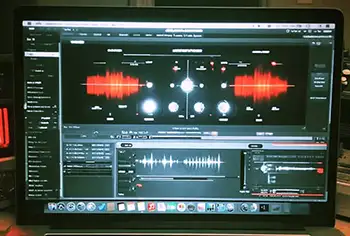
If you walk into just about any major recording studio in the US, you’re going to see Pro Tools on the screen. It’s been the industry standard for decades, and for good reason. Its entire existence is built around recording, editing, and mixing audio at the highest level.
The Good Stuff (Pros for Metal Producers)
- Audio Editing is King: This is the big one. For metal, you’re doing tons of precise audio editing—tightening up multi-tracked drums, comping a dozen guitar takes, and aligning bass DI with an amped track. Pro Tools is built for this. Tools like Beat Detective are legendary for quantizing live drum recordings, and the grid and slip editing modes are incredibly fluid and intuitive for complex audio work.
- Industry Standard Collaboration: Since everyone uses it, sending a session to a mixer, another band member, or a professional studio is seamless. No need to waste hours bouncing stems and creating new sessions. This is a massive workflow advantage. Just check out our list of Nail The Mix instructors—you'll see a whole lot of Pro Tools users.
- Analog-Style Workflow: Pro Tools was originally designed to emulate the workflow of a large format analog console. The Mix and Edit windows are distinct and clear. For engineers who learned in a traditional studio environment, it just makes sense.
- Plugin Support (AAX): Every major plugin developer—from Waves to FabFilter to Plugin Alliance—makes AAX versions of their plugins. You’ll never have to worry about compatibility with the latest tools.
The Downsides (Cons for Metal Producers)
- Clunky MIDI and Composition: If you’re a songwriter who builds tracks with virtual instruments, Pro Tools can feel archaic. Its MIDI editing is functional but lacks the creative flow of other DAWs. It’s not designed for loop-based writing or quick beat-making.
- The Price Tag: Pro Tools primarily operates on a subscription model. While there are different tiers, it can be a significant ongoing expense compared to DAWs that offer a one-time purchase.
FL Studio: The Beat-Making Powerhouse
FL Studio (formerly FruityLoops) has a reputation for being the go-to for hip-hop and electronic music producers. It’s famous for its lightning-fast workflow that lets you get a musical idea from your head into the DAW in seconds. It’s how countless producers, from Soulja Boy making "Crank That" to the biggest names in EDM, got their start.
The Good Stuff (Pros)
- Incredible for MIDI & Loops: The Channel Rack and Step Sequencer are iconic for a reason. Programming drums, writing synth lines, and arranging loops is faster and more intuitive in FL Studio than almost any other DAW.
- Lifetime Free Updates: This is a huge selling point. You buy it once, and you get every future version for free. In a world of subscriptions and paid upgrades, this is a massive pro.
- Creative Workflow: FL Studio is designed to be a musical playground. The Piano Roll is best-in-class, and the entire interface encourages experimentation and happy accidents, which is great for sparking creative ideas.
The Downsides (Cons for Metal Producers)
- Audio Editing is an Afterthought: This is the deal-breaker. While you can record and edit audio in FL Studio, the workflow is simply not optimized for it. Imagine trying to edit 16 tracks of live drums, nudging individual hits to line them up perfectly with the grid. In Pro Tools, that’s a core function. In FL Studio, it would be an exercise in pure frustration.
- Not Built for Heavy Tracking: The workflow isn't designed for recording a full band with complex routing, multiple headphone mixes, and extensive take-comping. It treats audio as just another element to be placed alongside MIDI and samples, not as the central focus of the production.
- Industry Disconnect: You will not find a professional metal mixer who works primarily in FL Studio. If you plan to send your tracks out for professional mixing, you will be exporting stems, guaranteed.
The Verdict: Pro Tools or FL Studio for Metal?
For the vast majority of metal producers, Pro Tools is the clear winner.
Metal production is fundamentally about capturing and manipulating recorded audio—guitars, bass, vocals, and live drums. Pro Tools excels at exactly that. FL Studio is an incredible music creation tool, but it's built for a completely different kind of music that is centered around MIDI, synths, and samples.
Could you make a metal song in FL Studio? Technically, yes. Should you? Probably not. The time you’d waste fighting the software to perform basic audio editing tasks could be spent actually making your mix sound better.
What About the Other Contenders?
Of course, the choice isn’t just between these two. The DAW landscape is bigger than ever.
The All-Rounders
- Cubase: Very popular in Europe and gaining traction in the US, Cubase is a beast that’s equally strong with both audio and MIDI. It’s a rock-solid choice for metal and was the original home of the VST plugin format.
- Logic Pro: A fantastic value for Mac users. Logic is a powerful all-rounder, but its audio editing, while capable, is often considered less precise and fluid than Pro Tools, which is why many metal producers avoid it for heavy drum editing.
The Dark Horses
- Reaper: Reaper has become a massive favorite in the metal community. It offers pro-level audio editing features that rival Pro Tools, is incredibly customizable with scripting, has a ridiculously generous free trial, and is very affordable. If the Pro Tools subscription model is a turn-off, Reaper is your best bet.
- Ableton Live: Much like FL Studio, Ableton Live is a creative powerhouse for electronic and loop-based music. Its audio warping and sample manipulation are second to none. We've seen it used on Nail The Mix for a Real Friends session, but it’s a rare sight in the metal world for a reason—its core strength is not multi-track audio recording and editing.
Stop Arguing, Start Mixing
At the end of the day, any of the audio-focused DAWs—Pro Tools, Reaper, Cubase, or Logic—will get the job done for metal. They all have the tools you need to track, edit, and mix heavy music. The differences are in the workflow, and the best way to learn a workflow is by watching a pro.
Seeing how producers like Will Putney or Andrew Wade handle massive sessions in their DAW of choice is more valuable than any forum debate. On Nail The Mix, you get to be a fly on the wall as they work on real songs from bands like Gojira, A Day To Remember, and Beartooth. You’ll see exactly how they use their tools to solve real-world problems, from surgical EQ on punishing metal guitars to dialing in the perfect vocal and drum compression.
So, pick a tool that’s right for the job, and then spend your time learning how to use it. That’s how you get great-sounding mixes.