Download Oceano “Mass Produced” raw multi-tracks
Nail The Mix Staff
The Core Challenge: Managing the Low-End Chaos
Right out of the gate, the biggest battle in this mix is the low end. With guitars tuned to the floor, a hyperactive bassline, and non-stop kick drums all vying for space, creating a punchy and clear bottom end is a monumental task. Add in cinematic sub drops, and you’ve got a recipe for a muddy disaster if you’re not careful.
A Pro Trick for Consistent Bass: The DI + Synth Sub Combo
When you listen to the raw bass DI, it’s all over the place—as you’d expect from a part this technical and low. Maintaining a consistent, powerful fundamental note can be nearly impossible.
This is where one of the coolest production tricks in this session comes into play, courtesy of Joey Sturgis. Alongside the bass DI, he provided a dedicated sub-bass track created with a synth. This track is a pure sine wave that perfectly follows the bass guitar part (he even included the MIDI!).
Why does this work?
The synth sub provides a solid, unwavering foundation in the lowest frequencies that the real bass guitar can’t consistently produce, especially during fast passages. By blending the organic tone and attack of the DI with the clean, powerful weight of the synth, you get the best of both worlds: aggression and definition from the real bass, and unshakable low-end power from the synth.
Balancing Guitars, Bass, and… Sub Drops?
As if the instrumental low end wasn’t enough of a puzzle, Joey is famous for turning songs into “Michael Bay movie trailers.” This track is loaded with epic post-production elements, including massive risers and gut-punching sub drops.
The challenge here is carving out space. When a massive sub drop hits during an already dense section, it can completely demolish your mix’s low end. This requires careful sidechaining, dynamic EQ, and precise level automation to ensure the impact hits without turning the rest of the mix into mush.
Dialing In Those Devastatingly Low-Tuned Guitar Tones
The session provides two pristine guitar DI tracks. While clean, they present their own set of challenges due to the extremely low tuning and the technicality of the playing.
The Battle Between Sludge and Clarity
The guitar parts in “Mass Produced” shift constantly between thick, sludgy chugs and lightning-fast, articulate riffs. A single static amp sim setting just won’t cut it. The tone needs to be huge and weighty for the slow parts but tight and clear enough to let every note of a fast run be heard.
This is where automation becomes your best friend. To make these guitars work, you’ll almost certainly need to lean on:
- Automated EQ: You’ll likely need different EQ curves for different sections. For example, boosting the low-mids for a thick chug section, then pulling them back and focusing on the upper-mids for a clear, technical part. Mastering these kinds of surgical EQ strategies for mixing modern metal is essential.
- Multi-band Compression: A multi-band compressor can be a lifesaver for taming the “woofiness” of palm mutes without thinning out the whole tone. You can set it to clamp down only on the low-end frequencies during the chugs, keeping the bottom end tight and controlled.
A Tip for Getting Started: Don’t Overthink Your Amp Sim
It’s tempting to spend hours twisting knobs to create the “perfect” custom tone from a DI. However, many mixers stall out here, ending up with a tone that sounds fizzy or just doesn’t fit the song.
In the unboxing, Joel Wanasek showed that by simply loading up a stock preset in an amp sim like Neural DSP’s Archetype: Gojira, you can get a usable, even great-sounding, tone right away. If the DI is recorded well and the performance is tight, a good stock preset often provides a better starting point than a poorly dialed-in custom patch.
Building the Foundation: Drums and Synths
The Producer’s Intent: Using Provided Drum Samples
One of the best things about this session is that Joey and Nick included the exact kick and snare samples they used in the final production. This gives you immediate access to the producer’s original vision for the drum sound. Of course, all the drum parts are also provided as MIDI, giving you the ultimate flexibility to layer, replace, or experiment with your own samples if you choose. With the shells, overheads, and rooms all separated, you have full control to build the drum sound from the ground up.
Sound Selection is Key: Well-Crafted Synth Layers
The song is filled with synth pads and keyboard textures that add atmosphere and depth. Critically, these sounds were chosen and arranged to occupy their own space. They sit in octaves that don’t directly compete with the guitar’s core midrange, meaning they already fit into the mix with minimal processing. It’s a powerful lesson in how smart sound selection during the production phase makes the mixing stage infinitely easier.
The Final Layer of Aggression: Demonic Vocals
The vocal production on this track is a beast in itself. You get a massive stack of layers to work with: mains, doubles, guttural throws, distorted effects, yells, and creepy whispers. There’s even a track aptly named “Ogre” that sounds as monstrous as you’d imagine.
The mixing challenge here is to blend all these textures into a cohesive and aggressive force. This will involve careful gain staging, panning, and a healthy dose of metal compression to ensure the vocals punch through the dense wall of sound without getting lost or muddy.
See How The Pros Do It
Breaking down the elements of a track like “Mass Produced” is one thing. But watching the producers who actually crafted the original hit song assemble it piece by piece is an entirely different level of learning.
Oceano on Nail The Mix
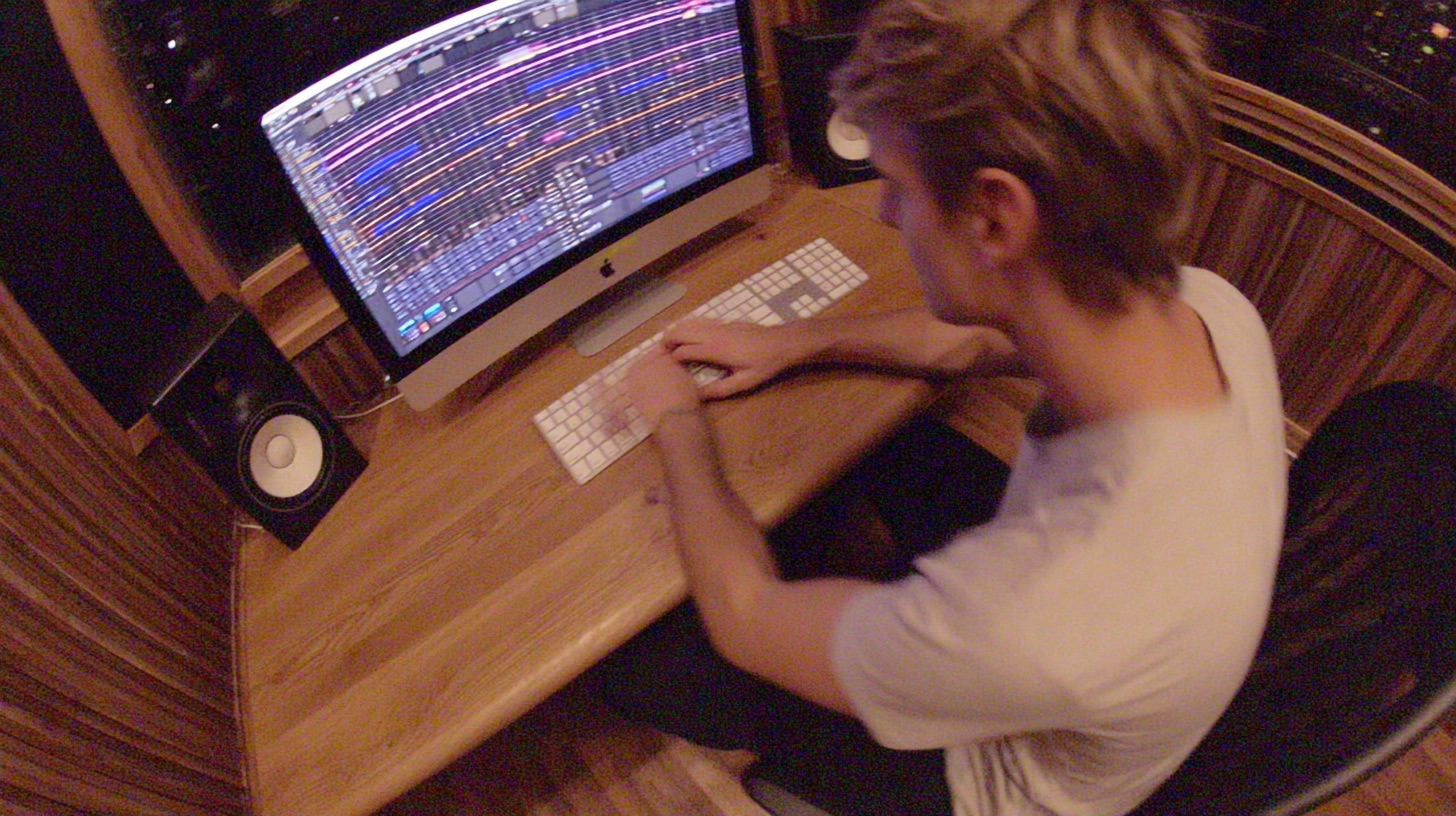
Joey Sturgis and Nick Matzkows mixes "Mass Produced"
Get the Session
In the full Nail The Mix session, you can watch Joey Sturgis and Nick Matko tackle every one of these challenges head-on. You get to see them blend the bass layers, automate the brutal guitars, and glue all the chaotic elements together into a polished, powerful final mix. If you want to dive in and mix this monster track yourself, you can get the full session and multi-tracks here.
Ready to take your own metal mixes to the next level? Head over to Nail The Mix to join a community of producers dedicated to mastering the art of modern metal production. And if you’re serious about leveling up your skills from the ground up, check out our full range of courses for the most comprehensive audio education available anywhere.