
Mastering Cognizance’s Brutal Death Metal with Joel Wanasek
Nail The Mix Staff
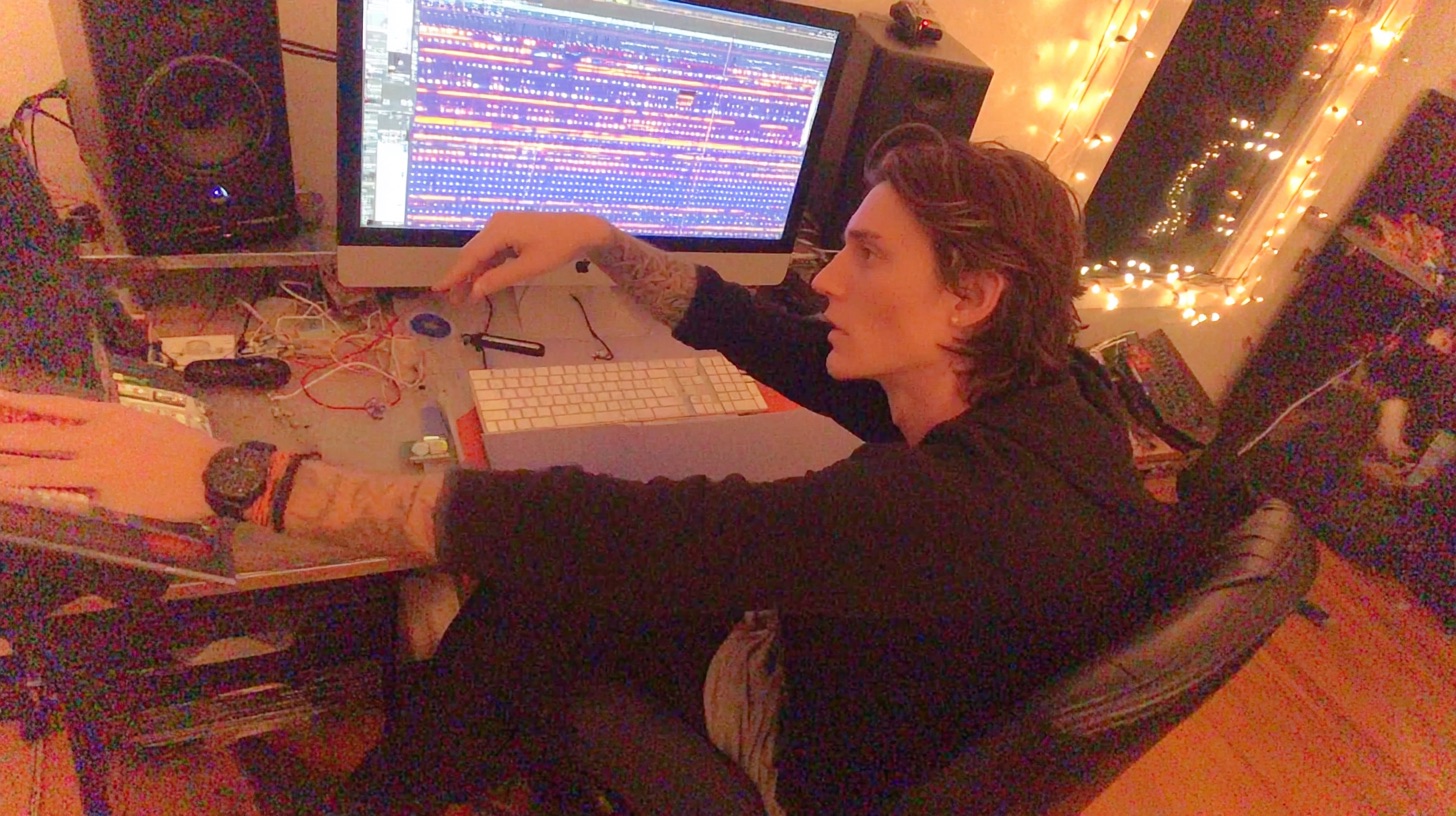
Getting a death metal mix to sound absolutely punishing isn’t just about cranking everything to 11. It’s about clarity, control, and making dozens of small, smart decisions that add up to a massive final product. We got to watch producer and Nail The Mix co-founder Joel Wanasek put the final touches on a crushing track from tech-death titans Cognizance, and his process revealed some killer techniques for taking a great mix into mastering territory.
Forget complex signal chains and mysterious plugins. Joel’s approach is focused on listening, reacting, and knowing when to step back. Let’s break down some of the key moves he made to get this mix ready for primetime.
The Final Polish: Surgical Mastering EQ
Before you even think about making a mix louder, you have to make sure it’s clean. The mastering stage is the perfect time to address any lingering frequency buildups that might be clouding the overall picture.
Why Small Cuts Make a Big Difference
One of the first things Joel does is apply a few very precise mastering EQ cuts. This isn’t about broad, tone-shaping moves. Instead, he uses a parametric EQ to find specific, narrow bands of frequencies that have built up across all the tracks. By pulling these down by just a couple of dB, the entire mix opens up.
Think about it: even if a frequency isn’t a problem on a single instrument, it can become an issue when it’s present in the guitars, bass, cymbals, and room mics. These small, surgical cuts clean up that cumulative mud and harshness, resulting in a significantly clearer and more defined sound. It’s one of those EQ strategies that makes an instant, professional-level impact.
Dynamic Decisions: Automating for Impact
A static mix is a boring mix. Modern metal is all about dynamics, and using automation is key to keeping the energy high and ensuring every part of the arrangement serves its purpose.
Taming Overpowering Elements
During playback, a low octave guitar part jumps out a little too much in one section. The knee-jerk reaction might be to just pull the fader down for the whole song, but that could make it disappear in other sections. The pro move, as demonstrated by Joel, is to reach for automation. By automating the volume of that specific track down just for the section where it’s too aggressive, you preserve its impact elsewhere while keeping the mix balanced.
Controlling Extreme Speed
Death metal often features insane bursts of speed, particularly from the drums. Joel points out that when a drummer like Cognizance’s launches into a ridiculously fast double-bass run, the sheer frequency of hits naturally increases the perceived volume, even if each individual hit is the same level.
To counteract this, he considers a very subtle automation move: pulling the entire mix’s gain down by just half a dB during those crazy-fast sections. It’s a tiny adjustment the listener will never consciously notice, but it keeps the track from feeling like it’s suddenly jumping in volume, maintaining a controlled sense of power. This is a prime example of using dynamic control beyond simple compression to manage the energy of a performance.
It’s Not Just Metal, It’s Music: Adding Finesse
A great mix engineer isn’t just a technician; they’re a musician who understands how to make a performance connect with the listener. This means paying attention to the details and making sure every instrument works together.
Accentuating the Performance
In the controlled chaos of a Cognizance track, it’s easy for cool little moments to get buried. Joel noticed a slick bass slide that was getting a bit lost. Instead of letting it go, he uses a quick automation bump to lift its volume, reminding the listener that the bass player is doing something awesome. It’s a simple move that adds personality and ensures the listener’s attention is drawn to the nuances of the performance. Getting hands-on with the actual multitracks from the Cognizance session is the best way to practice finding and highlighting these moments.
Gelling the Bass and Guitars
Later in the song, the guitar tone shifts to something a little more scooped. A change in one instrument often requires a reaction from another. Joel immediately dives into the bass EQ and tweaks the low-mids. This adjustment helps the bass and the newly scooped guitars “gel” together better, ensuring the low-end remains powerful and cohesive without clashing. It’s a perfect example of thinking about the mix as a single entity, not just a collection of individual tracks.
The Most Important Lesson: When is a Mix Actually Done?
This might be the biggest piece of wisdom from the entire session. So many of us get lost tweaking a snare for three hours, but Joel offers a simple, zen-like mantra: a mix is done when it sounds like a song.
The “Sounds Like a Song” Test
It sounds obvious, but it’s a profound concept. The vast majority of people listening to your mix—including the artist’s fans—don’t care if you used a specific snare sample or what frequency you high-passed the bass at. They press play and ask two questions: Is this a good song? And does it sound good?
Once you’ve reached the point where the track feels like a complete piece of music and not a project file, you’re 90% of the way there. Listening to Appetite for Destruction, you don’t analyze the 700Hz in the guitars; you just rock out. That’s the goal.
Ditching the Nitpicking for Collaboration
At this stage, Joel’s next move isn’t to nitpick for another three hours. It’s to send the mix to the band. Their feedback is infinitely more valuable than any more tiny adjustments you could make in a vacuum. They might love it, they might hate it, or they might have a major creative note you never would have considered. Getting their perspective is essential.
You have to know when to hand it off and get feedback. It’s the only way to truly know if you’ve nailed the mix for the artist.
These techniques are powerful because they’re practical. They’re about listening critically and making decisive, musical choices.
Cognizance on Nail The Mix
Joel Wanasek mixes "The Succession Of Flesh"
Get the Session
But watching a pro like Joel Wanasek explain these concepts while executing them on a real-world session is a game-changer. At Nail The Mix, you get to be a fly on the wall every month, watching the world’s best producers mix massive songs from bands like Gojira, Lamb of God, and Periphery from scratch. You get the raw multitracks, so you can mix alongside them and apply these same techniques to your own work. It’s time to move beyond presets and learn how the pros do it.