Quad-stacked bass recording: DI, amp, distortion & sub layers (ft. In Flames)
Nail The Mix Staff
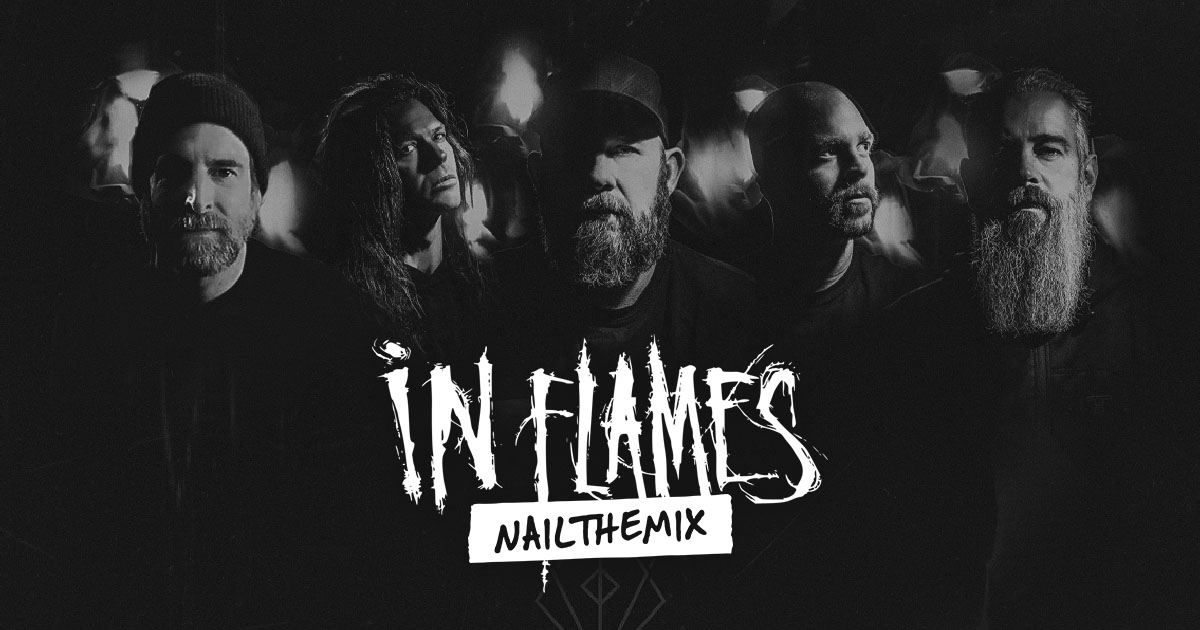
Let’s cut to the chase. When you get a session from a team like this, you know you’re in for a treat. We’re talking about the titans of melodeath, In Flames, produced by the legendary Howard Benson, engineered by the one and only Mike Plotnikoff, and mixed by Joe Rickard. That combination is a recipe for an absolutely massive metal sound.
For the February 2024 Nail The Mix, we got to tear apart “Meet Your Maker” from their album Foregone, and the raw tracks are a masterclass in what happens when you get everything right at the source. Forget spending hours fixing problems; this session is all about enhancing perfection. Let’s dive into what makes these tracks sound so incredible right out of the gate.
The “Don’t Mess It Up” Guitar Tones
We all love In Flames for their iconic guitar sound, and this session does not disappoint. The first thing you notice when you import these tracks is that they just work. The tones are fully committed—rich, powerful, and perfectly sculpted. There’s no need for re-amping or guesswork. You just load them up, push up the faders, and the core of the guitar sound is already 90% there.
This is the magic of a Howard Benson production and Mike Plotnikoff’s engineering. You get to focus on the creative part of mixing—the balancing, automation, and polishing—rather than trying to build a tone from scratch. The DIs are there if you want to experiment, but the amp tones are so good it almost feels like a crime not to use them.
Mike Plotnikoff’s Signature Quad-Stacked Bass
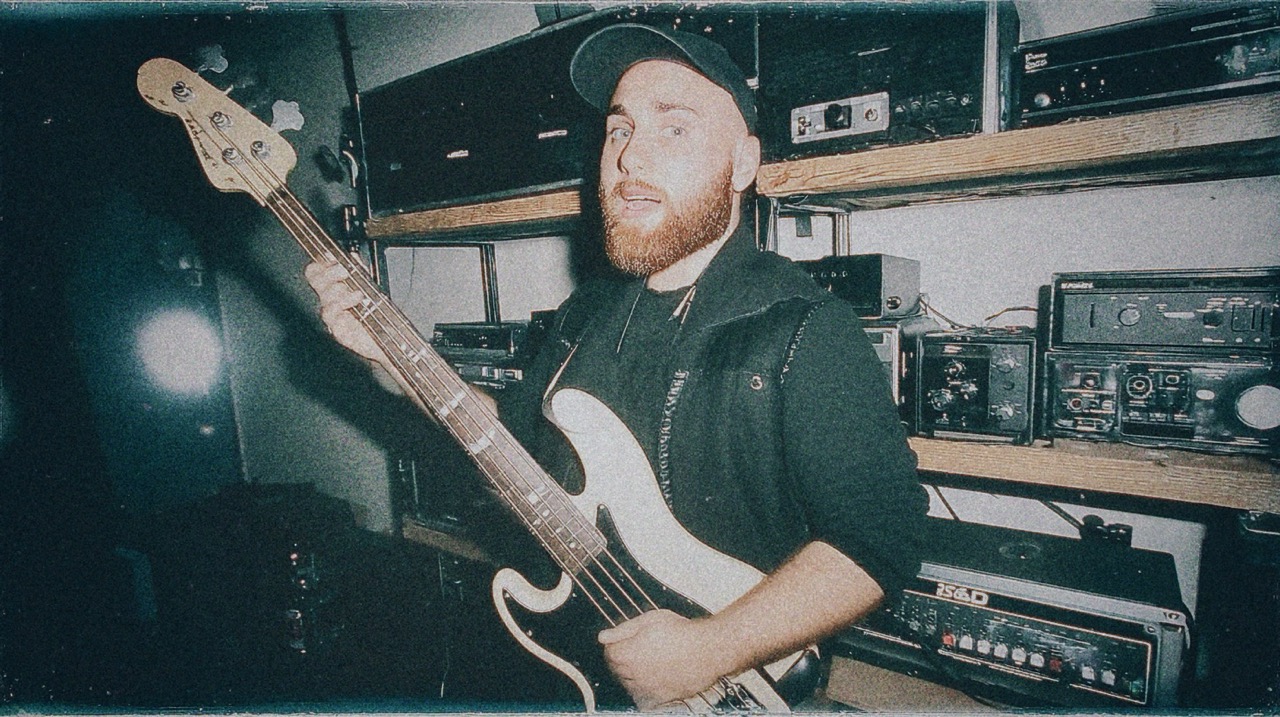
Here’s where things get really interesting and offer a powerful technique you can try in your own mixes. Instead of a single bass track, Plotnikoff provides a four-track “quad stack” that gives you ultimate control over the low end.
What’s in the Stack?
This isn’t just a gimmick; each of the four tracks serves a distinct purpose, all tracked through his beautiful Neve console for that signature warmth and weight.
- DI: This is your clean, fundamental low-end foundation. It’s got all the pure sub frequencies and the clean note information.
- Bass Amp: This track provides the midrange character and body of the bass tone. It’s what helps the bass cut through on smaller speakers and sit right in the mix against heavy guitars.
- Bass Distortion: For aggression and grit. This gnarly track adds the attack and harmonic complexity that makes the bass feel powerful and mean, helping it glue to the distorted guitars.
- Bass Sub: Just pure, low-end rumble. This track is all about feeling the bass in your chest. You can blend this in to add weight and power without making the main bass tone muddy.
Why This Approach Kicks Ass
With these four elements, the possibilities are endless. You can blend them to create a custom tone that perfectly fits the song. Need more aggression in the chorus? Automate the distortion track up. The verse needs to be cleaner and more defined? Pull the distortion back and favor the DI and Amp tracks. It’s a flexible and powerful way to ensure the bass is doing exactly what it needs to do in every section of the song.
Engineering Punchy, Mix-Ready Drums
The raw drum tracks in this session are an absolute clinic in drum engineering. They sound so good on their own, you could build a killer mix with little more than faders and panning.
Recording Hot for Maximum Impact
One of the first things you’ll notice is how hot these tracks are recorded. The wav files are pushed right up to the limit, peaking around -6dBFS. This isn’t an accident. When you’re tracking through a high-end analog console, this approach maximizes the bit depth, capturing the fullest possible signal. It also drives the console’s electronics just right, giving you that extra bit of headroom and character that you just can’t get by recording at lower levels in the box.
Breaking Down the Drum Sounds
Every piece of the kit sounds phenomenal, but a few elements really stand out.
- The Punch: The kick and snare are perfectly captured. They’re punchy and clear, with just the right amount of body and attack to slice through the wall of guitars.
- The Room: Here’s a key to that tight, aggressive drum sound. The session includes a mono room mic that is beautifully compressed and punchy. It’s not a huge, washy room sound; it’s tight, focused, and aggressive. Blending this in adds an incredible amount of energy and glue to the kit. Learning how to use compression on room mics this effectively is a game-changer.
- The Polish: The cymbals and hi-hats are crisp and clear without being harsh, sitting perfectly in the overheads and spot mics. Everything is so dialed in that it feels less like mixing and more like guiding an already-great performance.
The Million-Dollar Vocal Chain
You can’t talk about In Flames without mentioning Anders Fridén’s iconic vocals. As expected, the vocal tracks sound like a million bucks. This comes down to a classic, top-tier signal chain that Howard Benson often relies on: a Sony C-800G microphone running into a Neve 1073 preamp, followed by a Tube-Tech CL1B compressor.
That signal path is the holy grail for a reason. It captures incredible clarity and detail from the C-800G, adds warmth and character with the Neve, and provides smooth, transparent compression from the CL1B to tame the dynamics. The result is a vocal track that sounds polished and professional before you even add a single plugin. Using a great pre-amp/EQ like the Neve 1073 is essential for shaping the tone on the way in.
Get Your Hands On These Tracks
Reading about these techniques is one thing, but actually working with source material this good is another. This is what great production sounds like: every decision, from mic choice to recording levels, is made with the final mix in mind.
What if you could take these exact multi-tracks—Plotnikoff’s quad bass, the punchy drums, the million-dollar vocals—and mix them yourself?
In Flames on Nail The Mix
Joe Rickard mixes "Meet Your Maker"
Get the Session
That’s exactly what you get to do when you join Nail The Mix. Every month, you get the raw tracks from a major artist and watch the original mixer rebuild the song from scratch, answering your questions live. You can even enter your version into our mixing competition to win killer prizes. If you want to dive even deeper into the concepts that make pro mixes tick, check out our URM Enhanced program.
Ready to stop guessing and start learning from the best in the business? Sign up now and get instant access to the In Flames “Meet Your Maker” multi-tracks and see what you can create.