
Creating creepy lo-fi vocal textures with just stock plugins (ft. Blessthefall)
Nail The Mix Staff
In metalcore, background vocals are more than just harmony—they’re a weapon. They add the size, the emotional weight, and the atmospheric layers that turn a great track into an anthem. Blessthefall perfected this, and a huge part of their massive sound comes down to the production wizardry of mixer and producer Tyler Smyth.
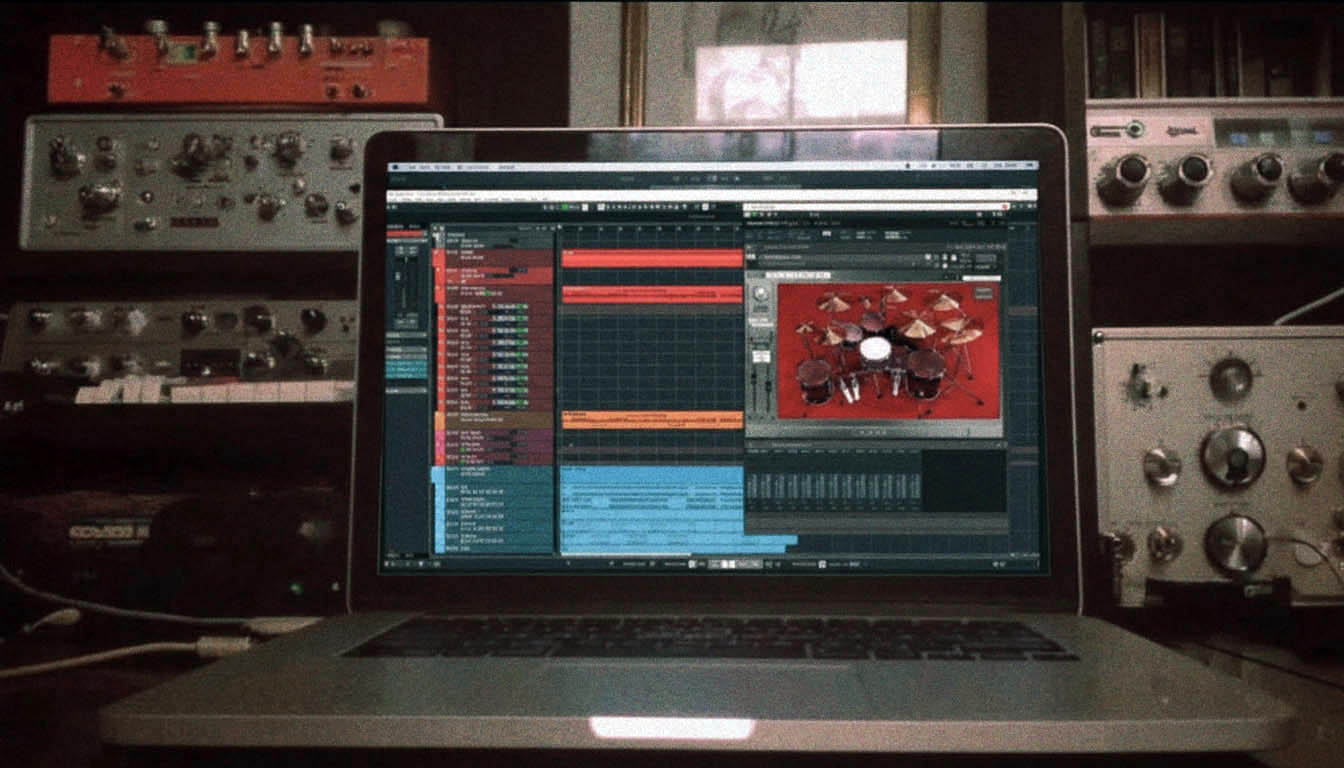
We got a look inside his Pro Tools session for a Blessthefall track, and the way he handles background vocals is a masterclass in creating space and vibe. It’s not just about turning faders up or down; it’s about surgically carving out a spot for every layer and getting creative with effects to build a mood. Let’s break down some of his key techniques you can steal for your own mixes.
Making Space with Surgical Backup Vocal EQ
One of the biggest challenges with layered vocals is preventing the mix from turning into a muddy, resonant mess. Tyler’s approach to the main background harmonies is brilliant in its simplicity. Instead of just fighting for volume, he makes them fit by taking something away.
The “Anti-Presence” EQ Cut
The goal for backups is often to have them feel wide and supportive without stepping on the lead vocal. To achieve this, Tyler uses some clever subtractive EQ. After sweeping for a few problematic frequencies, he hones in on one key area.
Around the 3kHz range is where a ton of vocal presence and intelligibility lives. That’s the frequency that helps a vocal cut through a dense mix and sound right in your face. While you definitely want that for a lead vocal, carving it out of the backups is a game-changer.
By applying a sharp cut in the 3k range only on the background vocal tracks, Tyler instantly makes them feel like they’re sitting behind the main performance. This is one of those core EQ strategies for mixing modern metal that separates a pro mix from a demo.
The best part? This move lets you actually turn the backups up louder in the mix. They fill more sonic space and add weight without adding harshness or fighting the lead for the listener’s attention. While EQ is the star here, remember that this works best when paired with solid dynamics control, a fundamental of metal compression secrets.
Creating Vibe with Creative Vocal Processing
Not all vocals are meant to be clean and pretty. For certain atmospheric or intense vocal layers, Tyler leans into some unorthodox processing to create a unique and unsettling vibe that elevates the performance.
The “Unsettling” Lo-Fi Effect
On a particularly aggressive, whispered vocal part, the goal was to make it sound “unkind,” harsh, and just plain weird. To do this, Tyler reached for the Waves SSL E-Channel plugin.
Here’s his method:
- Start with a Preset: He loaded up the Chris Lord-Alge “VOS 2” preset.
- Gut It: He then immediately turned off almost everything—the EQ, the compressor, the expander.
- Use the Filters: The main tools he wanted were the high-pass and low-pass filters. By dialing these in, he created a super-tight, band-passed “telephone” effect that instantly made the vocal sound small and distorted. The preset’s gate setting also provided a good starting point for cleaning up noise.
To take it completely over the top, he duplicated the plugin on the track, making the effect even more pronounced. In isolation, it sounds incredibly harsh. But in the context of the full mix, it gives the part that perfect, unsettling, through-gritted-teeth feeling that a standard vocal chain never could.
Adding Swirl with the MicroShift
For the more melodic “oohs and aahs,” the goal was pure atmosphere and “creepy factor.” After initially reaching for a UAD chorus, Tyler grabs a tool that many of us have in our arsenal: the Soundtoys MicroShift.
This plugin is a legend for a reason. It uses micro pitch-shifting and delay to create immense width and a rich, chorus-like texture. By blending it in on these atmospheric layers, he turns a simple vocal pad into a swirly, vibey element that adds a ton of depth to the production. It’s a simple move that has a massive impact, making the vocals feel huge and almost supernatural.
See How It All Comes Together
These techniques are killer examples of how pro mixers think. It’s about problem-solving and using your tools creatively to serve the song.
- Carve out space with subtractive EQ on your backups.
- Get creative with filters to create unique lo-fi textures.
- Use wideners like MicroShift to turn simple layers into huge atmospheric pads.
These are the kinds of tricks you can start using right now. But seeing how they fit into the bigger picture is what Nail The Mix is all about. Learning these individual moves is a huge step, but the real growth comes from understanding the “why” behind them so you can move beyond presets and craft your own sound.
Blessthefall on Nail The Mix
Tyler Smyth mixes "Cutthroat"
Get the Session
If you want to see exactly how Tyler Smyth balances these vocals against roaring guitars, pounding drums, and a thunderous bassline, you need to check out his full mixing session. Even better, you can grab the multitracks from this very Blessthefall song and try these techniques for yourself by signing up for Tyler Smyth’s Blessthefall Nail The Mix session.