Making Synths Sound Like Guitars in a Heavy Mix (ft. Gemini Syndrome)
Nail The Mix Staff
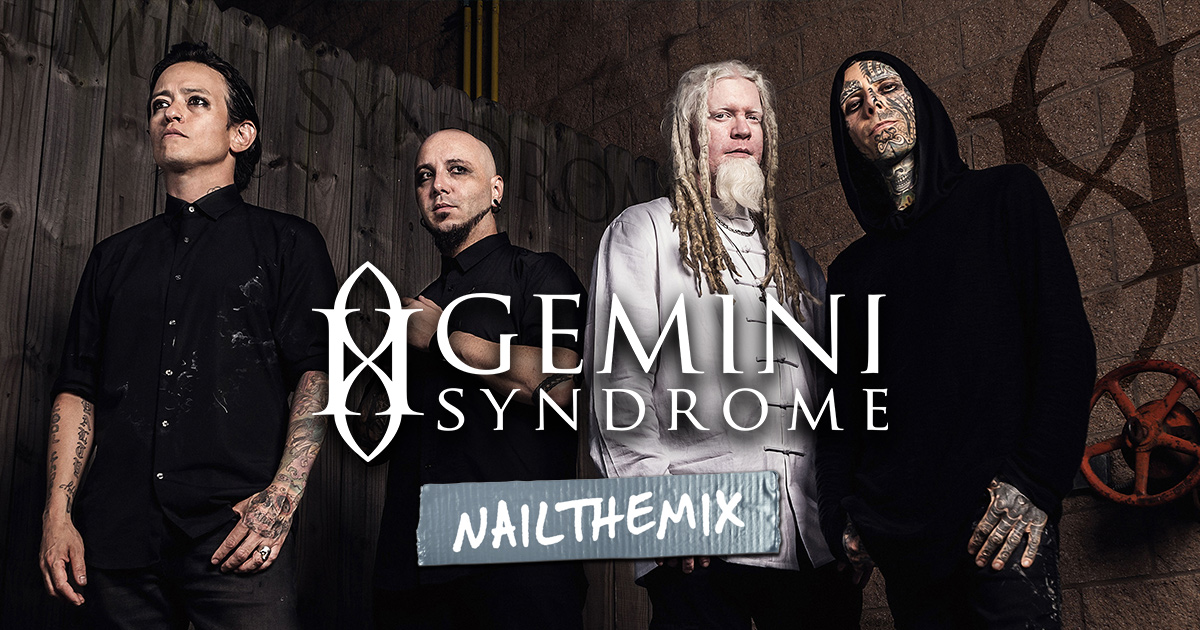
Let’s talk about a classic studio challenge: making synths sit right with massive, distorted guitars. It can be tricky. Do you tuck them underneath? Do they get washed out? How do you make them feel like part of the band, not just something layered on top? We got to watch legendary producer Kane Churko break down exactly how he approaches this, using tracks from his mix of Gemini Syndrome to show us how it’s done.
The goal isn’t just to add a synth—it’s to make the guitars and synths merge into one cohesive, larger-than-life sound. Starting with a killer quad-tracked rhythm guitar riff, Kane demonstrated a few powerful, and surprisingly simple, techniques to create a thick, textured, and aggressive tone. If you want to see exactly how he puts it all together, you can watch him mix the full Gemini Syndrome song on Nail The Mix.
The Foundation: Doubling the Riff
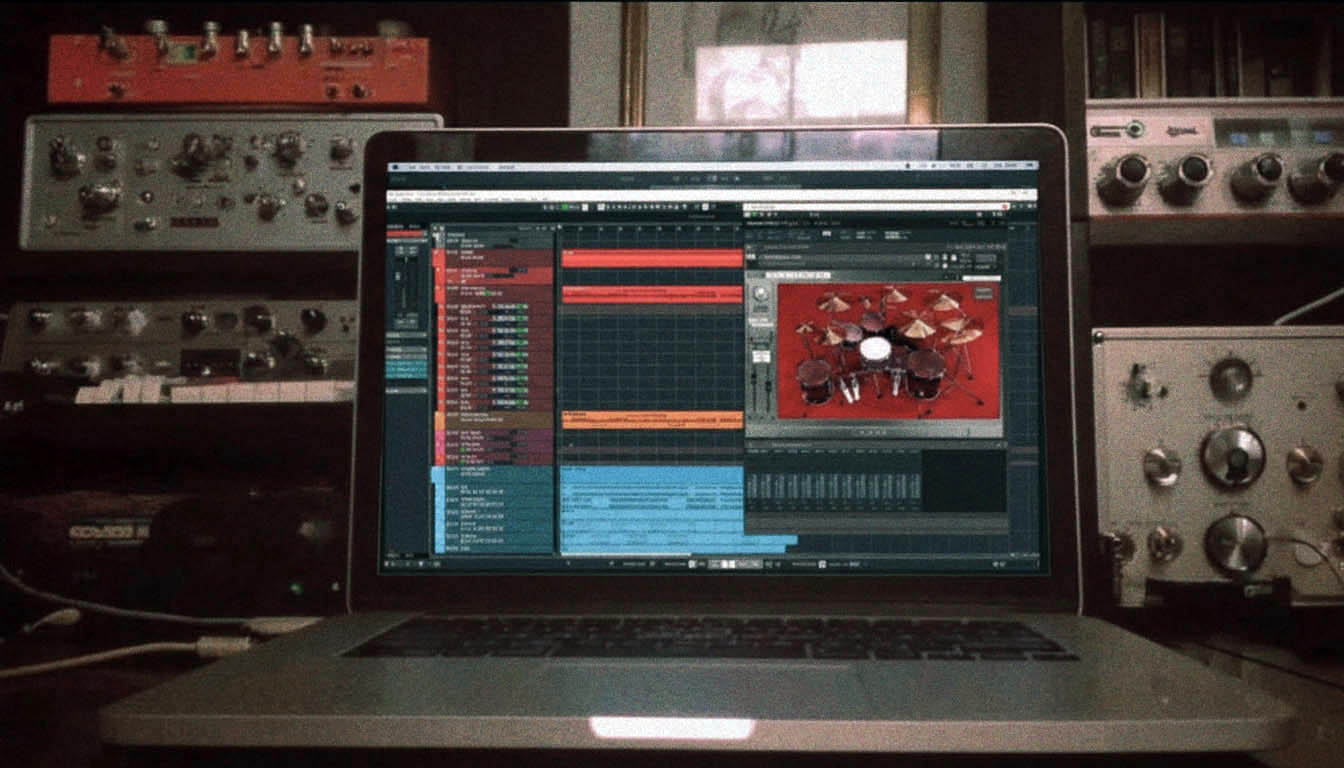
Before you even touch an effect, the first step is finding the right synth sound to complement the guitars. Kane starts with a cool synth patch that plays the exact same riff as the rhythm guitars.
Even with just a simple volume blend, the synth already adds support and a different flavor. But this is just the starting point. The real magic happens when you start processing the synth to make it “marry” the guitars.
Adding Grit to Glue the Layers
A clean, pristine synth will often sound like it’s in a totally different space than gritty, distorted guitars. The solution? Make the synth dirtier. Kane uses a combination of compression and saturation to roughen up the edges and help it blend seamlessly.
Getting Started with Light Compression
First up is some light compression. Using the Kush Novotron, Kane quickly dials in a bit of compression to even out the synth’s dynamics. This isn’t about slamming it, but rather gently controlling the performance so it sits more consistently with the wall of guitars. A touch of subtle control can be the first step in taming a synth and making it behave more predictably in a dense mix. Getting a handle on these basics is key, and you can dive deeper into metal compression secrets to really master this apect of your sound.
Dialing in Saturation for Character
This is where things get really cool. The Novotron plugin has a “Saturate” feature, and this is Kane’s secret weapon for making the synth feel more aggressive. By driving the saturation, the sound immediately gets nastier, grittier, and takes on a more distorted character.
This added harmonic content helps the synth occupy some of the same frequency ranges as the guitars, making the two elements sound less like separate layers and more like a single, complex instrument. It’s a perfect example of how saturation can be used as a tone-shaping tool, not just a way to add warmth.
Shaping the Combined Tone with EQ
With the synth now feeling more connected to the guitars, the next step is to shape it with EQ so it has its own space while still supporting the riff. Kane reaches for another Kush plugin, the Hammer EQ, a favorite of his for synths.
He dials in a few quick boosts to give the synth more depth and body. This move adds a little bit more weight to the low-mids and presence to the highs, helping the synth’s character cut through without clashing with the guitars. This is a great reminder that effective EQ strategies for mixing modern metal aren’t always about cutting—sometimes a strategic boost is exactly what a sound needs to come to life.
Transforming Your Synth with Distortion
If saturation is about adding grit, full-on distortion is about total transformation. This is where you can take a simple synth pad and turn it into a monstrous texture that significantly beefs up your guitar tone.
From Synth to “Second Guitar”
To demonstrate this, Kane pulls up the Manny Marroquin Distortion plugin from Waves. By simply turning it on and adding a bit of drive, the synth almost becomes another guitar. It loses its “synthy” quality and takes on a fuzzy, aggressive edge that makes the overall riff sound way more interesting and powerful. When you A/B the sound with and without this distorted synth layer, the guitars alone suddenly sound thin by comparison.
Creative Options with FutzBox
For even more variety, experimenting with different distortion flavors is a great idea. Kane also shows the McDSP FutzBox, which creates a completely different, but equally cool, filtered, and lo-fi distorted sound. This highlights a key part of his production philosophy: don’t be afraid to experiment. Having a few go-to distortion plugins can give you a wide palette of sounds to choose from.
Keep It Interesting: Automating Effects
One of the most valuable takeaways from Kane’s process is the idea of using these effects dynamically throughout the song. A synth layer doesn’t need to have the same sound from start to finish.
He often automates different distortion or saturation settings for different sections. For example, the synth might be a bit cleaner and tucked back in the verses, but then become more saturated and aggressive in the pre-chorus and fully distorted in the chorus. This creates more texture, builds excitement, and makes the track feel more dynamic and dense as it progresses.
See The Pros In Action
These techniques are powerful tools you can start using today to make your synths and guitars work together. Layering, saturating, and distorting synths is a fantastic way to create modern, thick, and professional-sounding rock and metal productions.
Gemini Syndrome on Nail The Mix
Kane Churko mixes "Anonymous"
Get the Session
Of course, knowing the tools is one thing, but watching a pro like Kane Churko apply them in real-time is a complete game-changer. On Nail The Mix, you can watch the entire
6+ hour session where Kane builds this Gemini Syndrome mix from scratch, explaining every plugin, every fader move, and every decision. It’s the ultimate way to unlock your sound by mixing modern metal beyond presets. If you’re ready to see exactly how these heavy, synth-laden tracks come together, check out the full Gemini Syndrome mixing session now.