The Two-Bus Drum Mixing Trick for Aggressive Tones (ft. August Burns Red)
Nail The Mix Staff
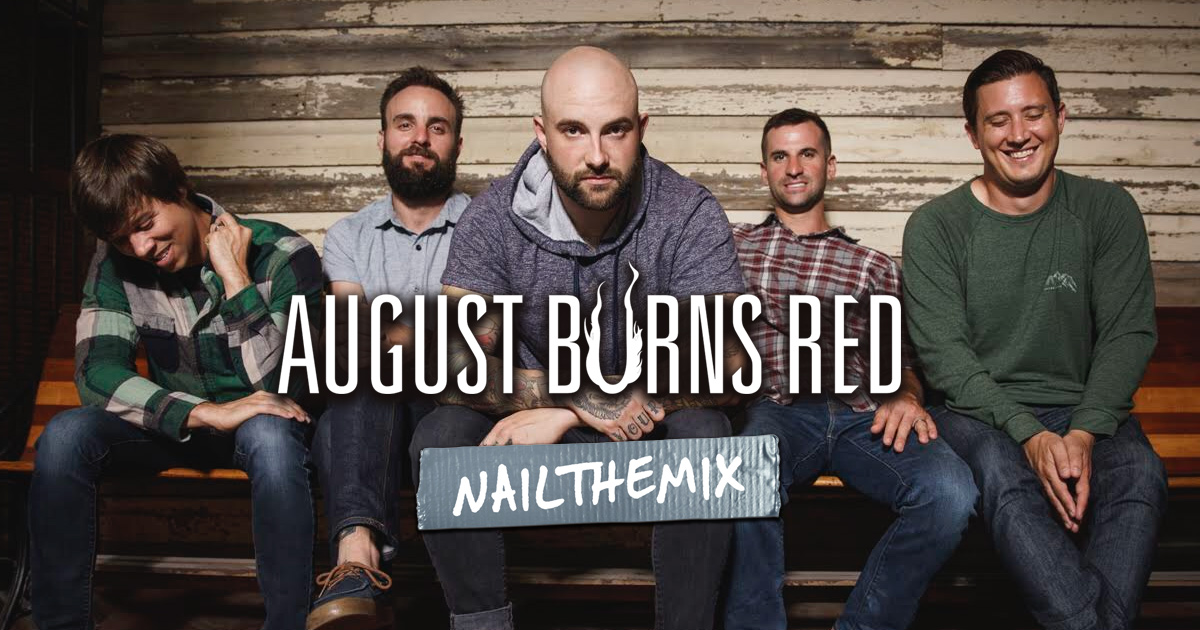
The drums on an August Burns Red record are an absolute force of nature. Matt Greiner’s playing is a technical marvel of power and precision, and getting that to sit right in a dense metal mix is a masterclass in itself. Lucky for us, producer/mixer Carson Slovak (the man behind the board for ABR) gave a deep dive into his drum mixing process, and it’s packed with actionable techniques.
Forget endless tweaking on individual tracks. Carson’s approach is centered around a powerful and efficient bussing strategy that uses saturation and compression to create a cohesive, aggressive, and punchy drum sound right from the get-go.
This is the kind of real-world, in-the-box wizardry that turns good drum recordings into great ones. We’re going to break down his core methods, from initial setup to the exact plugins and settings he uses to get that signature ABR drum punch. You can find more powerful insights like these from the world’s best producers at Nail The Mix.
The Foundation: A “Top-Down” Bussing Approach
Before a single plugin is loaded, the process starts with a strategic level balance. While the kick, snare, and tom shells sit at unity (0 dB), the first move is a big one: the entire cymbal group is pulled down by about 12-13dB. The snare bottom mic is also nudged down a decibel or so, and the main snare sample is tamed by about 5dB.
This might seem counterintuitive, but it’s the essential setup for the bus processing that comes next.
Splitting the Kit: Why Two Buses?
Instead of sending all the drums to one master bus, Carson splits the kit into two distinct groups, each sent to its own stereo bus:
- The “Highs” Bus: Snare (top, bottom, and samples) and all cymbals (overheads, hi-hat, chinas, splashes).
- The “Lows” Bus: Kick drum (mic and samples) and all toms.
The reason for this split is simple but brilliant: it allows him to process the bright, transient-heavy elements differently from the powerful, low-end elements. This is where he shapes the core character of the kit.
The Snare & Cymbal Bus: Saturation and Aggression
This bus is where most of the magic happens. The goal is to bring out the aggression and sustain of the snare and the detail in the cymbals, all while gluing them together into a single, impactful unit. This is accomplished with a go-to two-plugin chain.
The First Ingredient: Softube Focusing Equalizer
First in the chain is the Softube Focusing Equalizer. Carson uses a custom preset, but the real star of the show is a single control: the Saturation knob.
- Settings: The equalizer type is set to “Passive” and the saturation type to “Neutral.”
- What it Does: This knob is all about adding rich, musical harmonics. It brings out an aggressive character and detail in the cymbals and adds body to the snare. It’s a key part of adding excitement before any compression. He also adds a subtle boost to the high frequencies for a little extra clarity and air. For a deeper look at shaping your sound, check out these EQ strategies for mixing modern metal.
The Second Ingredient: Slammed FET Compression
Next up is an aggressive FET-style compressor. This isn’t for subtle dynamic control; this is for pure smash and character.
- Settings: All buttons in (“British Mode”), the slowest possible attack, a medium release, and a pretty hard-driven input. To keep the compressor from overreacting to unwanted frequencies, the sidechain detector is filtered heavily with both high-pass and low-pass filters.
- What it Does: This creates a “slimy,” heavily compressed sound. By blending this in, even at a low level, it adds incredible sustain and impact. Looking to master your dynamics? Dive into these metal compression secrets.
Closing the Level Gap
Remember that 13dB cut on the cymbal faders? This aggressive bus processing is why it works. The heavy saturation and compression dramatically raise the level of the quieter elements—namely, the cymbals and the room mic sustain. This “closes the gap” between the quiet cymbals and the loud snare. The result is that the cymbals feel present and open up the mix, but they don’t overpower the essential impact of the snare.
The Secret Weapon: Pro Tools Heat
Another layer of harmonic saturation happening across the entire session is Pro Tools Heat. Developed in part by the legendary Dave Hill of Crane Song, Heat is a global analog saturation algorithm that can be enabled on a per-track basis.
Carson’s approach here is all about subtlety. He has the master “Drive” control set just one notch above zero. This adds a consistent, subtle layer of harmonic excitement to the drums. However, a key pro move is knowing when not to use a tool. In this case, he bypasses Heat on the kick drum samples, as he finds it adds an undesirable quality to their high-end.
Handling the Low End: The Kick & Tom Bus
The low-frequency bus for the kick and toms gets a very similar treatment. The exact same plugin chain—the Softube Focusing Equalizer into the FET compressor—is copied right over.
The Key Difference: A Touch of Low-End Boost
There’s one crucial tweak on this bus. On the Focusing Equalizer, Carson adds a slight boost to the low-end frequencies. He cautions that this is an easy move to overdo, especially with fast double-bass patterns that can quickly turn into a muddy mess. A little goes a long way to add weight and power without sacrificing clarity.
Creative Touches and Final Details
With the core drum sound dialed in, the final touches are about adding vibe and serving the song.
- Automated Snare Reverb: For moodier, more atmospheric sections of the song, a reverb is automated to turn on for the snare, giving it a huge, spacey tail that fits the musical context perfectly.
- Subtle “Baked-In” Hi-Hat Reverb: In the song’s intro, a subtle reverb was printed directly onto the hi-hat track. It’s mixed very low, not as an obvious effect, but as a textural element that enhances the vibe and complements the highly detailed and calculated nature of ABR’s songwriting.
See the Full Mix in Action
These bussing techniques are a powerful way to get a professional, aggressive metal drum sound quickly. By treating the kit in groups and using saturation and compression for character, you can build a massive foundation for your mix.
August Burns Red on Nail The Mix
Carson Slovak & Grant McFarland mixes "Coordinates"
Get the Session
Of course, reading about it is one thing. Seeing it happen is another. In the full Nail The Mix session, you can watch Carson Slovak build this entire drum sound from scratch—and then mix the rest of the instruments around it. You get to see every fader move, every plugin setting, and hear his reasoning for every decision.
If you’re ready to stop guessing and learn the techniques a pro like Carson uses to mix a band like August Burns Red, check out the full ABR mixing session on Nail The Mix. You can get the multitracks and follow along to completely unlock your sound and mix modern metal beyond presets.
Get access to the August Burns Red multi-tracks and the full session now!