How To Fix Harsh Cymbals w/ Oeksound Soothe 2 (ft. At The Gates)
Nail The Mix Staff
Let’s be honest, modern metal drum overheads can be a nightmare. You need them for that wide, realistic cymbal picture, but they often come loaded with harshness, weird resonances, and washy snare bleed that can turn your mix into a sizzly mess. So what’s the secret to getting a professional overhead sound that’s clean and powerful without just gutting it with EQ?
It turns out, a lot of it comes down to a philosophy championed by top-tier mixers like Russ Russell: a great mix is often the sum of many small, well-placed decisions. While mixing tracks for the legendary At The Gates, Russ showed how a series of subtle moves can tame unruly drums and build a powerful foundation. Let’s break down his approach.
Taming Overheads Without Losing Character
The first challenge Russ tackled was the overheads themselves. They had a lot of good stuff in them—the natural sound of the kit and the cymbals—but also some harsh frequencies that were fighting the mix. The old-school approach might be to reach for a static EQ and start hacking away, but that can often do more harm than good, removing the life along with the problem frequencies.
The Soothe Solution for Harshness
This is where modern tools come in. Russ reached for a plugin that’s become a staple in many metal mixers’ toolkits: oeksound Soothe. If you’re not familiar, Soothe isn’t a standard EQ. It’s a dynamic resonance suppressor. It listens to the audio in real-time and intelligently ducks only the harsh, resonant frequencies as they pop up, leaving the rest of the signal untouched.
Instead of a broad, destructive cut, Russ used Soothe to gently tame the harshness in the overheads. Think of it less like surgery and more like a calming massage for your audio. The result is that you keep the body and air of the cymbals while getting rid of that abrasive, ear-fatiguing sizzle.
He applied the same logic to the aggressive “trash room” mic, using Soothe to sand down the nastiest edges, making it usable and aggressive without being painful. It’s the perfect example of using a tool to keep what you like and control what you don’t.
Building a Punchy Foundation: Kick and Snare EQ
With the overheads cleaned up, the next step is ensuring the core of the kit—the kick and snare—punches through with clarity and definition. A common issue in dense metal mixes is having the “smack” of the kick and the “crack” of the snare fight for the same frequency space, resulting in a sound where you can’t really tell the two apart.
Crafting Separation with Simple EQ Boosts
Russ’s approach here is brilliantly simple and highly effective. Instead of boosting the kick and snare in the exact same spot, he gives each its own space to live. These are the kinds of essential EQ strategies for modern metal that define a pro mix.
- Kick Drum Punch: On the kick drum bus, he added a small boost with a Pultec-style EQ right around 4kHz. This brings out the beater’s click and gives the kick a sharp, defined attack that can cut through heavy guitars.
- Snare Drum Crack: For the snare, he reached for a similar boost, but this time around 5kHz. This subtle shift in frequency is crucial. It ensures the snare’s primary attack frequency isn’t directly competing with the kick’s.
By giving each drum its own distinct high-mid frequency, you create instant separation. The listener’s ear can easily distinguish the two, leading to a drum mix that feels punchier, clearer, and more powerful. Of course, EQ is just half of the equation; effective metal compression is what gives these elements their consistent power and impact.
The Power of Small, Cumulative Moves
What’s the big takeaway from all this? No single move was extreme. There was no 12dB boost or massive surgical cut. It was a little bit of Soothe on the overheads, a small 4k bump on the kick, a little 5k on the snare.
This is the philosophy in action. You’re not overcooking anything. You’re making tons of tiny, deliberate decisions that, on their own, might seem insignificant. But when you add them all up, they create a massive difference, transforming a raw recording into a polished, professional-sounding mix. This approach is fundamental to what we teach at Nail The Mix.
These techniques are awesome starting points you can try in your own productions right now. But… seeing a few EQ moves is one thing. Imagine watching a master like Russ Russell actually dial this stuff in, blend it with the close mics, set up his bus processing, and make it all sit perfectly with crushing guitars and a thunderous bassline.
At The Gates on Nail The Mix
Russ Russell mixes "The Chasm"
Get the Session
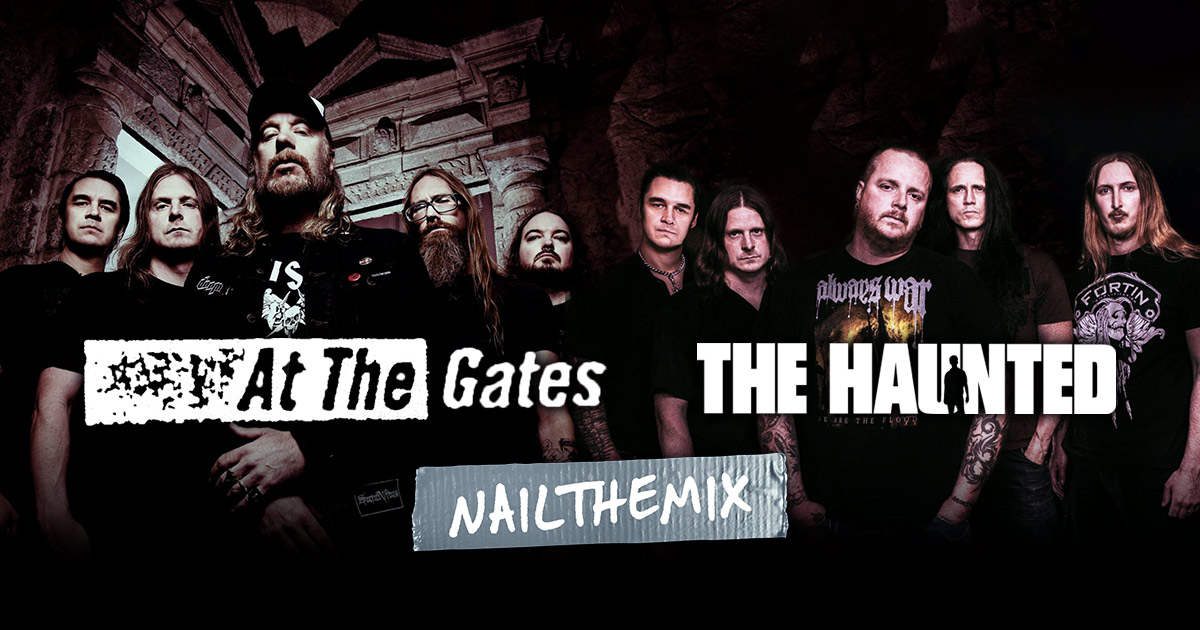
This is just a tiny glimpse into the full Nail The Mix session with Russ Russell. When you join, you don’t just watch—you get the actual multitracks for this At The Gates song AND a track from The Haunted, letting you apply these techniques yourself. You can see how Russ built a world-class metal mix from scratch, explaining every plugin, every fader move, and every decision along the way.
If you’re ready to unlock your sound and mix modern metal beyond presets, this is your chance. Grab the multitracks and watch the full session with Russ Russell right here.